


You just booked your first Botox appointment, or maybe you’re a few sessions in, and one question keeps popping into your head: how long does Botox actually last? It’s a fair question. Nobody wants to spend money on a treatment without knowing what to expect.
The short answer is that Botox typically lasts three to four months. But that number shifts depending on your body, your treatment area, and even your lifestyle. Let’s break it all down.
What Is Botox, Exactly?
Botox is the brand name for onabotulinumtoxinA, a purified form of botulinum toxin. It’s produced by the bacterium Clostridium botulinum. That name might sound alarming, but the dose used in cosmetic and medical treatments is small and carefully controlled.
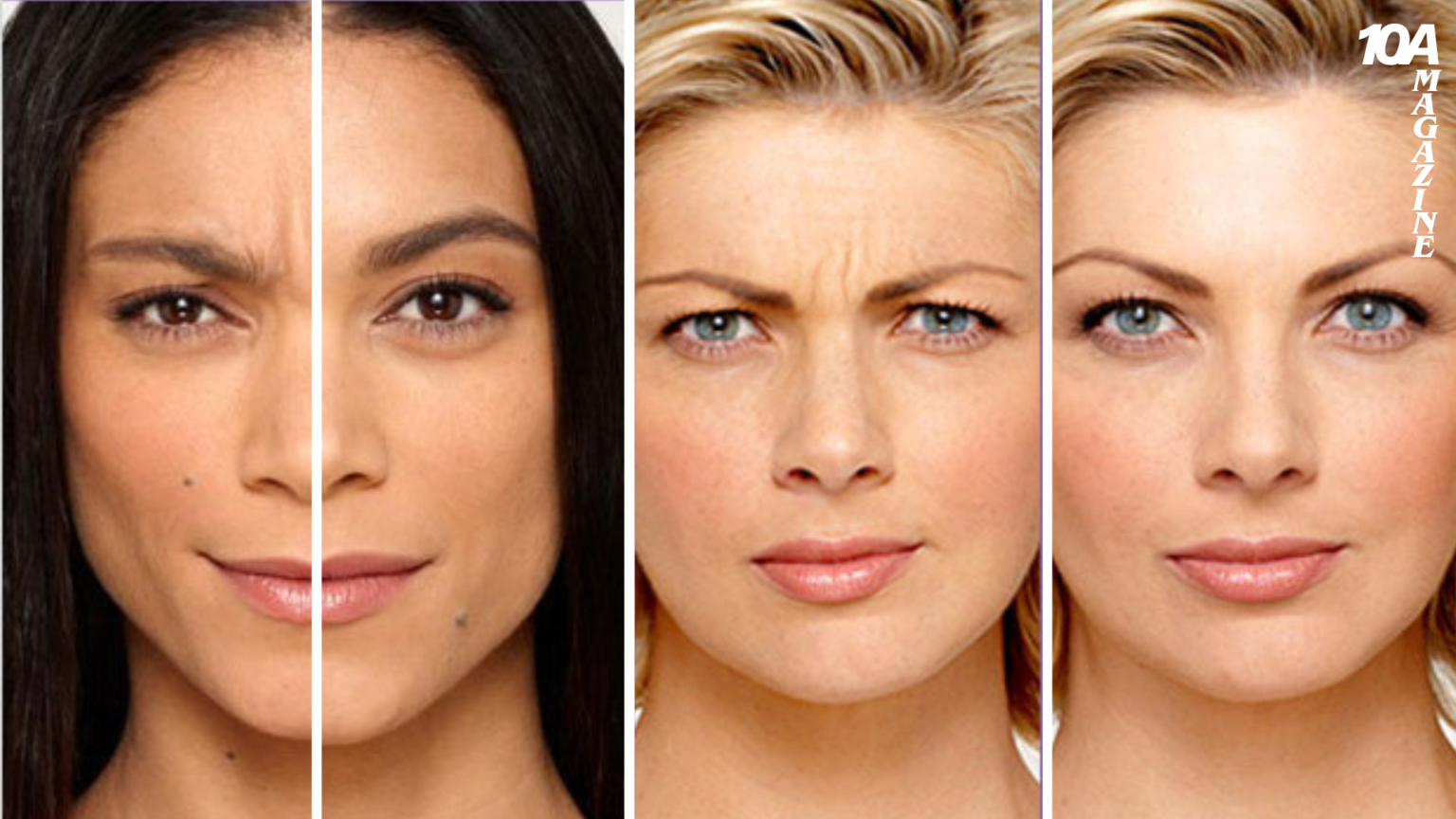
Botox works by blocking nerve signals to the muscles it’s injected into. Once those signals stop, the muscle relaxes. That relaxation is what smooths out wrinkles caused by repeated facial movement, like frown lines, crow’s feet, and forehead creases.
How Long Does Botox Last on Average?
According to the American Society of Plastic Surgeons, Botox generally lasts three to four months, though some people notice results fading closer to two months while others see effects stretch into the four to six month range. The Cleveland Clinic reports a similar window, noting that most patients need retreatment within three to six months as the toxin wears off and normal muscle movement returns.
So there isn’t one universal number. Your results depend on a mix of personal and treatment-related factors, which we’ll get into next.
When Do You Start Seeing Results?
Botox isn’t instant. Most people notice initial changes within three to five days, but full results usually take about two weeks to appear. This is because the toxin needs time to fully block the nerve signals reaching the treated muscle.
If you don’t see a difference right away, that’s normal. Give it the full two weeks before deciding whether you need a touch-up.
Factors That Affect How Long Botox Lasts
1. Metabolism
People with faster metabolisms tend to break down and process Botox more quickly, which can shorten how long the results last. This is one of the most common reasons two people can get the same treatment and see different outcomes.
2. Treatment Area
Different muscles respond differently to Botox. Areas with smaller, less active muscles, like around the eyes for crow’s feet, may hold results for three to four months. Larger or more frequently used muscles, like the jaw for masseter Botox, can behave differently depending on individual anatomy.
3. Dosage and Injection Technique
The number of units used and the precision of the injection both play a role. An experienced, board-certified injector who understands facial anatomy is more likely to deliver consistent, longer-lasting results.
4. Age and Skin Elasticity
As skin loses collagen and elasticity over time, the visible effects of Botox may not last as long, even if the muscle relaxation itself is working as expected.
5. Consistency of Treatment
Here’s some encouraging news: regular Botox treatments can actually extend how long results last over time. Muscles that are repeatedly treated tend to weaken gradually, meaning some patients need less frequent appointments the longer they stick with treatment.
Botox for Medical Use vs. Cosmetic Use
Most people associate Botox with wrinkle reduction, but it’s also FDA-approved for medical conditions like chronic migraines and muscle spasms. When used for medical purposes, effects tend to last a shorter amount of time, generally around two to three months, compared to cosmetic applications.
If you’re using Botox for a medical condition, talk to your doctor about a treatment schedule that fits your specific diagnosis.
Tips to Help Botox Last Longer
While you can’t dramatically change your body’s biology, a few habits may help you get more out of each session:
- Protect your skin from the sun. UV exposure breaks down collagen and can affect how your skin holds results.
- Avoid excessive facial movement right after treatment. Give the toxin time to settle into the targeted muscle.
- Stay consistent with your treatment schedule. Skipping appointments and starting over may reset the muscle-weakening benefits that build up over time.
- Choose an experienced injector. Precise technique matters as much as the product itself.
- Manage stress levels. Repeated tension and expression lines can work against your results.
None of these tips guarantee a specific timeline, but they can support the results you’re already getting.
Botox vs. Other Injectables
If you’re finding that Botox wears off faster than you’d like, alternatives exist. Dysport and Daxxify are other botulinum toxin products with similar mechanisms. Some patients report that Daxxify results last slightly longer than traditional Botox, though individual response still varies. Hyaluronic acid fillers are a different category entirely and are sometimes recommended for patients looking for longer-lasting volume rather than muscle relaxation.
Your provider can help you decide whether switching products makes sense for your goals.
What to Expect at a Botox Appointment
If you’re new to Botox, knowing what happens during the appointment can help you feel more prepared. A typical session starts with a short consultation, where your provider looks at your facial muscles, discusses your goals, and maps out the injection points. The injections themselves usually take just a few minutes, since Botox is delivered through a series of small, quick needle pricks directly into the targeted muscle.
Most people describe the sensation as a brief pinch rather than significant pain, and numbing cream is rarely necessary. You can typically return to normal activities right after, though your provider will likely ask you to avoid lying down, rubbing the treated area, or doing intense exercise for several hours. Mild redness or small bumps at the injection sites are common and usually fade within a few hours.
Is It Safe to Get Botox Regularly?
Yes, for most healthy adults, repeated Botox treatments are considered safe when spaced appropriately. That said, getting injections too frequently may increase the risk of your body developing antibodies to the toxin, which could make future treatments less effective. This is why providers usually recommend waiting until you notice muscle movement returning before booking your next session, rather than sticking to a fixed calendar date.
Final Thoughts
So, how long does Botox last? For most people, somewhere between three and four months, with some seeing results closer to two months and others stretching past six. Your metabolism, treatment area, dosage, and consistency all play a part in where you land on that spectrum.
If you’re considering Botox for the first time, talk to a board-certified provider about your goals, your anatomy, and a realistic timeline for your specific case.
Frequently Asked Questions
How long does Botox last for the first treatment? First-time results often don’t last as long as results from later treatments, since muscles haven’t yet adjusted to repeated relaxation. Many first-timers see effects for about two to three months.
How long does Botox take to fully kick in? Most people notice changes within three to five days, with full results visible around the two-week mark.
Does Botox last longer the more you get it? Often, yes. Repeated treatments can weaken the targeted muscle over time, which may extend the gap between sessions for some patients.
Why did my Botox wear off after one month? This can happen, especially with first treatments, a fast metabolism, or if the dosage was on the lower end for your muscle strength. Talk to your provider about adjusting your next session.
Does Botox hurt, and is downtime required? Most people feel only a brief pinch during injections, and there’s typically no real downtime. You can resume normal activities right after, though intense exercise and lying down are usually discouraged for a few hours.
Is Botox permanent? No. Botox is a temporary treatment. Muscle activity and the appearance of wrinkles will gradually return once the effects wear off.