


How Long Does Botox Last? What to Really Expect
You booked the appointment. You saw the smoother forehead in the mirror. Now comes the question everyone asks right after: how long does Botox last before you need to go back?
The short answer is three to four months. But that number hides a lot of nuance, and the real answer depends on your body, your dose, and even your daily habits.
This guide breaks down the full timeline, what changes results, and how to stretch your Botox as far as it can go.
How Long Does Botox Last on Average?
Most people can expect Botox results to last between three and four months. Some patients see results fade closer to the two-month mark, while others hold onto smooth skin for five to six months.
According to the American Society of Plastic Surgeons, Botox typically lasts three to four months, though some patients notice results in the two-month range and others in the four-to-six-month range. First-time users often see shorter results, and it’s common for the effect to last longer after a second treatment.
Cleveland Clinic confirms this pattern. The effects of Botox injections are temporary and last only about three to four months on average. Cosmetic surgeon Dr. James Zins explains that Botox doesn’t wear off like a faucet turning off. It fades gradually rather than stopping all at once.
So if your results feel like they’re “slowly returning” rather than disappearing overnight, that’s completely normal.
How Long Does It Take Botox to Start Working?
Botox isn’t instant. Your body needs time to respond to the treatment.
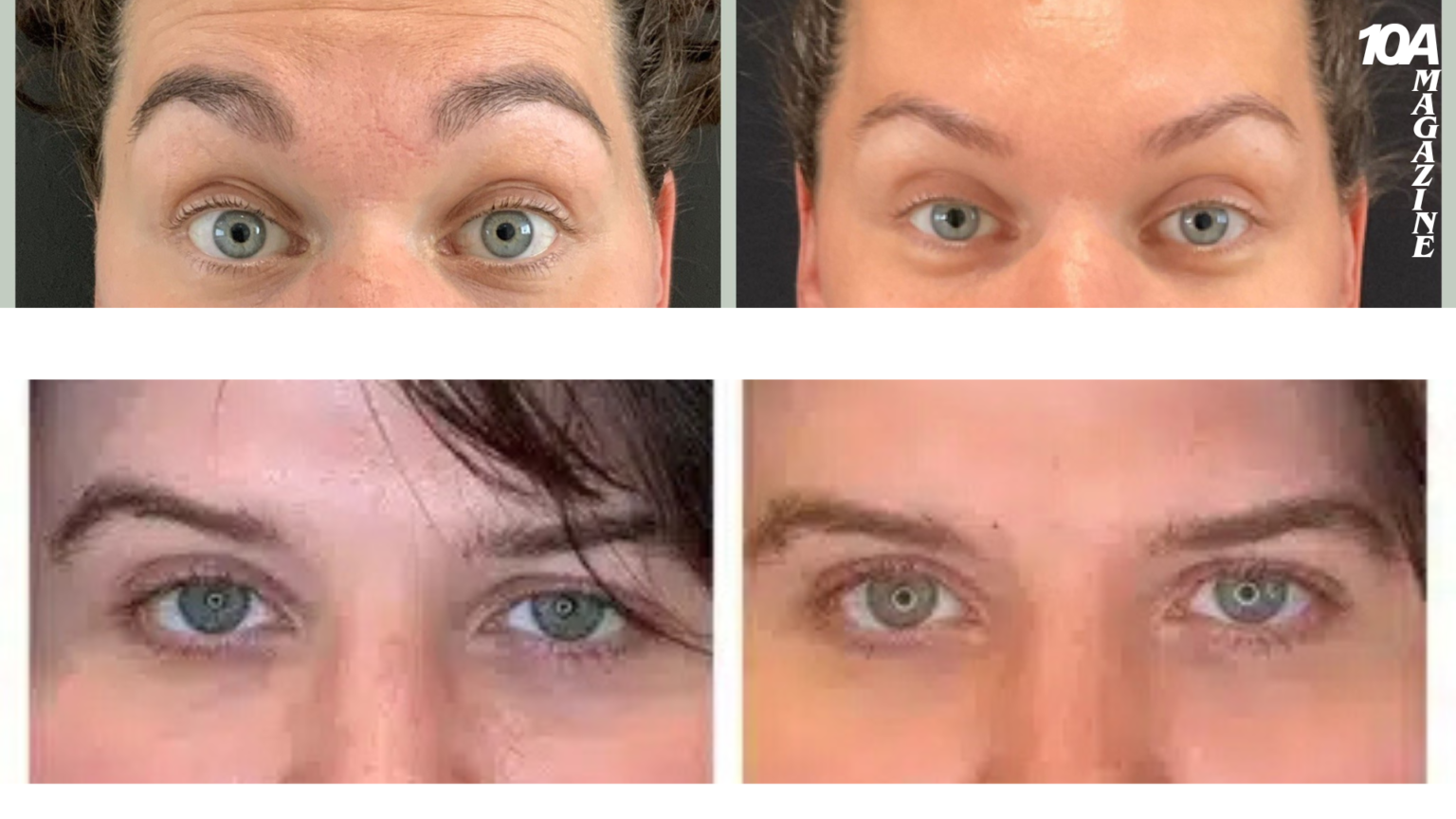
Most patients notice initial results within a few days of treatment, with full effects visible within about two weeks. Some providers see effects begin as early as three to five days, with the final result settling in over a week to ten days.
That’s why most injectors recommend waiting the full two weeks before judging your results or asking for a touch-up.
What Affects How Long Botox Lasts
Botox duration isn’t the same for everyone. Several factors can push your results shorter or longer.
1. Your Metabolism
Your body’s metabolic rate affects how quickly it processes the Botox protein. People with faster metabolisms may notice shorter durations between treatments.
2. The Treatment Area
Different facial muscles respond uniquely to Botox, and some areas hold results longer than others based on muscle strength and movement patterns. Areas with stronger, more active muscles, like the forehead, may need more frequent touch-ups than smaller, less active areas.
3. Muscle Strength and Skin Elasticity
Skin elasticity and muscle strength change naturally with age, and this can affect how long results last. Younger patients with stronger muscles may need slightly more frequent sessions than older patients with less muscle activity.
4. How Often You’ve Had Treatments Before
This is one of the more interesting patterns doctors have noticed. With repeated treatments over time, some patients train their muscles to relax more naturally. Dr. Zins notes that with chronic use, repeated injections can modify muscle behavior, so people stop frowning as much in areas like the lines between the eyebrows. Researchers aren’t fully certain why, but it may relate to muscle habits or gradual muscle changes.
5. Dosage and Injection Technique
The amount of product used, and how precisely it’s placed, plays a direct role in how long the effect holds. This is one reason it matters to choose an experienced, board-certified injector rather than the lowest-priced option.
Botox vs. Other Neurotoxins: Does Duration Differ?
Botox isn’t the only FDA-approved neurotoxin for facial wrinkles. Dysport, Xeomin, and Jeuveau are also FDA-approved options that work the same way, by blocking nerve signals to targeted muscles so they contract less and cause fewer wrinkles. While they all produce similar results, they differ slightly in onset speed, duration, and comfort level, so your injector may recommend one over another based on your goals and past experience.
What Happens When Botox Wears Off?
Once the effect fades, the nerve signals to your muscles return to normal, and those muscles regain their ability to contract. This means the lines and wrinkles that Botox temporarily smoothed will gradually reappear.
This isn’t a sign that something went wrong. It’s simply how the treatment is designed to work. Botox was never meant to be permanent, and that’s part of why it remains such a popular, low-commitment option compared to more invasive treatments.
How to Make Botox Last Longer
While you can’t control genetics or metabolism, a few habits may help you get more mileage out of each treatment.
- Stick to a consistent schedule. Getting touch-ups before results fully wear off may help maintain smoother, longer-lasting results over time.
- Avoid excessive sun exposure. UV damage accelerates collagen breakdown, which can make lines more noticeable once the treatment fades.
- Limit high-intensity facial movement. Frequent squinting or frowning can cause the treated muscles to “relearn” movement patterns faster.
- Choose an experienced injector. Precise placement and correct dosing directly affect how long your results hold.
- Stay consistent with skincare. Healthy, well-hydrated skin tends to show results more smoothly and for longer.
Is It Safe to Get Botox Repeatedly?
Yes, for most healthy adults, repeated Botox treatments are considered safe when done by a licensed, experienced provider. Research on the long-term effects of Botox and similar neurotoxins is still ongoing, but current evidence shows the treatment remains safe with continued use. As always, any new symptoms or concerns should be discussed directly with your provider or dermatologist.
Final Thoughts
So, how long does Botox last? For most people, the sweet spot sits around three to four months, with some seeing results as short as two months or as long as six. Your metabolism, treatment area, muscle strength, and injector’s skill all play a role in where you land on that spectrum.
If you’re new to Botox, don’t be surprised if your first round fades a little faster. Many patients find their results last longer with repeat treatments. The best way to know your personal timeline is to track your own results and talk openly with your provider about what you’re noticing.
Frequently Asked Questions
How long does Botox last on the forehead? Forehead Botox typically follows the same three-to-four-month pattern as other areas, though the frontalis muscle is active and strong, so some patients notice a slightly faster fade in this area compared to less active facial zones.
Does Botox last longer the more you get it? Many patients report that results last longer with repeat treatments, possibly because the treated muscles gradually “forget” certain movement patterns over time. This isn’t guaranteed for everyone, but it’s a commonly reported pattern.
How long until Botox starts working? Most people see initial changes within three to five days, with full results visible within about two weeks. It’s best to wait the full two weeks before judging your final results.
Is it normal for Botox to wear off unevenly? Yes. Because Botox fades gradually rather than all at once, it’s common for some areas to relax and show movement again before others.
Can lifestyle habits shorten how long Botox lasts? Yes. Factors like a fast metabolism, frequent intense facial movement, and unprotected sun exposure can all contribute to results fading sooner.