



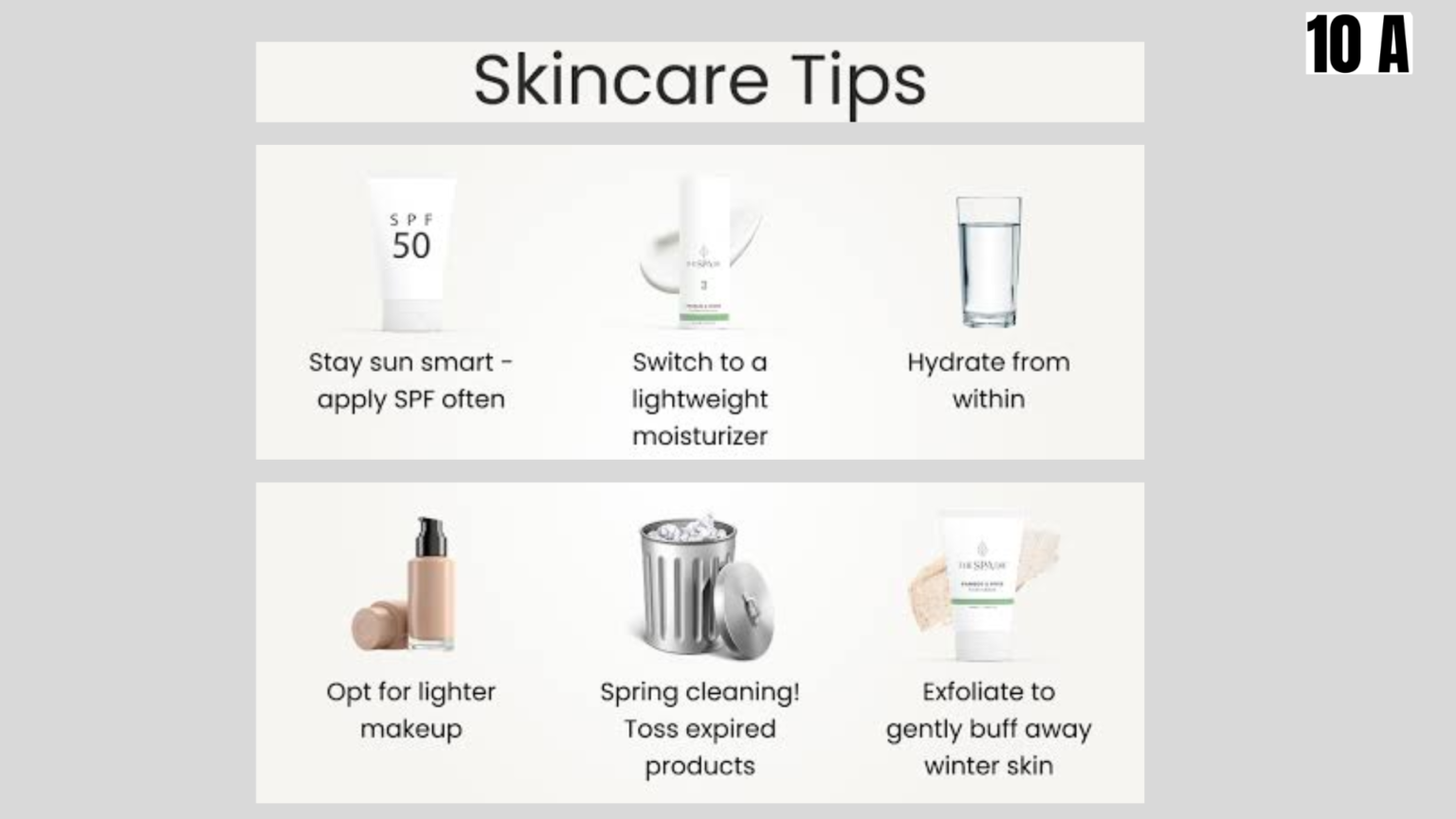
Winter is hard on your face. Heaters, cold wind, and heavy creams leave skin dull, tight, or oddly congested. Then spring arrives with warmer days and a lot of pressure to “refresh” everything at once.
Here’s the good news: your skin doesn’t need a total overhaul. It needs a few smart adjustments. These spring skincare tips cover what to change, what to keep, and what to skip. They’re written for real routines, not 12-step fantasies. Whether your skin runs oily, dry, combination, or sensitive, you’ll find something here you can use this week.
Why Your Skin Acts Up When the Seasons Change
Skin responds to its environment. When temperatures climb and humidity shifts, your oil glands usually get more active. Sweat increases. Pollen and dust land on your face. Meanwhile, the dead skin cells built up over winter can sit on the surface, making your complexion look flat.
This is why a routine that felt perfect in January can suddenly cause breakouts or irritation in April. Nothing is wrong with you or your products. Your skin barrier is simply adapting to new conditions.
A quick note on trust: skincare advice online often sounds more certain than the science allows. Everyone’s skin is different, so treat the tips below as a starting framework. If you have a condition like eczema, rosacea, or cystic acne, check with a board-certified dermatologist before changing your routine.
Start With a Gentler Cleanser
Many people reach for a strong foaming wash the moment the weather warms up. It feels satisfying, but it often backfires. Stripping your skin too hard can trigger even more oil production and leave your barrier irritated.
For spring, look for a cleanser that’s:
- Fragrance-free or lightly scented
- pH-balanced (around 5 to 5.5 works well for most skin)
- Free of harsh sulfates if your skin is dry or reactive
Gel and lightweight cream cleansers are good picks for most people. If you wear sunscreen or makeup daily, double cleansing in the evening (an oil or balm first, then a gentle water-based wash) can help remove everything without scrubbing.
Pros: Keeps your moisture barrier intact, reduces tightness.
Cons: If you’re very oily, a mild cleanser may feel less “squeaky clean” at first. That feeling isn’t a sign of better cleaning, though.
Exfoliate Smartly (Not Aggressively)
This is where spring routines go wrong most often. After months of dull winter skin, it’s tempting to scrub hard. Please don’t.
Chemical exfoliants are usually gentler and more even than physical scrubs. The three common types:
- AHAs (glycolic, lactic acid): Great for surface dullness and rough texture.
- BHA (salicylic acid): Works inside pores, so it’s helpful for blackheads and oily areas.
- PHAs: A milder option for sensitive skin.
Start with once a week and see how your skin responds. Move to two or three times weekly only if there’s no stinging, redness, or peeling.
Risk worth knowing: Over-exfoliating damages your skin barrier, causing burning, shininess, and sudden breakouts. It also makes your skin more sun-sensitive, which matters a lot in spring. Never exfoliate and then skip sunscreen.
Swap Heavy Creams for Lighter Moisturizers
The thick balm that saved your face in winter may feel suffocating now. A lightweight moisturizer, like a gel-cream or lotion, usually does the job in warmer months.
Look for hydrating ingredients such as:
- Hyaluronic acid (draws water into the skin)
- Glycerin (a reliable, well-studied humectant)
- Ceramides (help support the skin barrier)
- Panthenol (soothing and calming)
Here’s a point people miss. Oily and acne-prone skin still needs moisture. Skipping it can make your skin produce even more oil to compensate. Lighter doesn’t mean none.
If your skin is still dry, don’t switch too fast. Try layering a hydrating serum under a lighter cream first, and see how your cheeks feel by midday.
Active Ingredients: What Actually Earns a Spot
Walk into any beauty aisle and you’ll see dozens of “miracle” serums. Here’s an honest look at the popular ones for spring.
Vitamin C. A well-researched antioxidant that can help brighten skin tone and support protection against environmental stress. Use it in the morning, under sunscreen. Some people find high-strength formulas irritating, so start low.
Niacinamide. Often well tolerated, it can help with oil balance, uneven tone, and visible pores. It’s a solid pick for combination skin and pairs easily with most other products.
Retinol. One of the most studied anti-aging and acne-fighting ingredients. It’s effective, but it can cause dryness, peeling, and irritation, especially at first. Use it at night, begin two nights a week, and always wear SPF the next day. Avoid it if you’re pregnant or nursing unless your doctor says otherwise.
Hyaluronic acid. Gentle, hydrating, and suitable for almost everyone.
A practical rule: introduce one new active at a time and wait about two weeks before adding another. If something causes a reaction, you’ll know exactly which product is responsible. Patch testing on your inner forearm or behind your ear is worth the extra minute.
Sunscreen Is Not Optional
Spring sun feels mild, which is exactly why it catches people off guard. UV rays are already strong enough to cause damage, even on cloudy or cooler days. UVA rays, linked to premature aging, also pass through windows.
Choose a broad-spectrum sunscreen with SPF 30 or higher. Mineral formulas (zinc oxide or titanium dioxide) are often better for sensitive skin, while newer chemical formulas tend to feel lighter and leave less of a white cast.
How much matters too. Most people apply far too little. A common guideline is about a quarter teaspoon for the face alone. Reapply every two hours if you’re outdoors, and more often if you’re sweating or swimming.
Pros of daily SPF: Helps slow visible aging, reduces dark spots, and lowers long-term skin cancer risk.
Cons: Some formulas feel greasy or leave residue, so try a few before settling. A good one you’ll actually wear beats a perfect one that stays in the drawer.
Don’t Forget Your Eyes, Lips, and Body
Face care gets all the attention, but spring affects the rest of you too.
The skin around your eyes is thin and reacts quickly to dryness and allergies. A gentle, fragrance-free eye cream can help, and so can cool compresses on puffy mornings.
Lips lose moisture easily, and they burn too. Pick a lip balm with SPF for daytime.
Your body benefits from a lighter lotion after showers. Exfoliate your elbows, knees, and feet lightly. And your neck and hands, which are often forgotten, show age early if they’re never protected. Extend your sunscreen and moisturizer to both.
Spring Allergies and Sensitive Skin
Pollen season brings itchy, red, or puffy skin for many people. If your skin turns reactive this time of year, keep things simple:
- Rinse your face after being outside for long periods.
- Wash pillowcases weekly.
- Skip new products during peak allergy weeks.
- Choose soothing ingredients like colloidal oatmeal, centella asiatica, or aloe.
If you notice persistent rashes, swelling, or itching that doesn’t settle, it’s worth getting checked rather than layering more products on top.
A Simple Spring Routine to Try
You don’t need many steps. Here’s a straightforward framework.
Morning:
- Gentle cleanser (or just a water rinse if your skin is dry)
- Vitamin C or niacinamide serum
- Lightweight moisturizer
- Broad-spectrum SPF 30+
Evening:
- Cleanse (double cleanse if you wore sunscreen or makeup)
- Treatment: retinol, or an exfoliating acid on alternate nights, never both together at first
- Moisturizer
Adjust based on how your skin feels. A routine you can stick to will beat a complicated one you abandon after ten days.
Common Spring Skincare Mistakes to Avoid
- Throwing out your whole routine overnight
- Using several strong actives at once
- Skipping moisturizer on oily skin
- Forgetting sunscreen on cloudy days
- Picking at breakouts, which raises the risk of scarring and dark marks
- Following trends without checking whether the ingredient suits your skin type
Small changes, made slowly, almost always beat dramatic ones.
Conclusion
Spring skincare doesn’t have to be complicated or expensive. Swap in a gentler cleanser, exfoliate with care, lighten up your moisturizer, and make daily sunscreen a habit. Add active ingredients slowly, one at a time, and listen when your skin tells you something isn’t working.
The aim isn’t perfection. It’s a healthier, calmer complexion that adapts as the season does. Start with one or two changes this week, give them time, and build from there. If a concern doesn’t improve, a dermatologist can give you advice tailored to your skin.
If you found these tips useful, explore more beauty and lifestyle guides on our site, and share your own spring skincare favorites in the comments.
FAQs
1. Can I use retinol and vitamin C in the same routine?
Yes, but it’s easiest to use vitamin C in the morning and retinol at night to reduce irritation.
2. How long does it take to see results from a new skincare routine?
Most people notice changes in four to six weeks, since skin renews itself on roughly that cycle.
3. Is it okay to skip toner in spring?
Absolutely. Toner is optional, and a hydrating one only helps if your skin likes it.
4. Should I change my skincare products every season?
Not necessarily. Many staples stay the same, and usually only your moisturizer and SPF need adjusting.
5. Why does my skin break out when the weather warms up?
More sweat, oil, and sunscreen buildup can clog pores, so cleansing properly and keeping products lightweight often helps.