




The Question Blowing Up on TikTok in 2026
You scrolled past a Cider ad. The pastel dress looked perfect. The price was $22. You almost tapped “Add to Cart.”
Then a small voice asked: “Wait is Cider fast fashion?”
Good instinct. That question is worth answering before your money leaves your wallet. And in 2026, the answer is clearer than ever because the evidence has had more time to pile up.
This article gives you the full picture. Real sources. Real facts. No brand-sponsored softening.
What Is Cider? The 2026 Brand Overview
Cider officially known as Shop Cider is a Hong Kong-founded direct-to-consumer women’s fashion brand launched in 2020 by Michael Wang (CEO), Fenco Lin (former Bloomingdale’s buyer and co-founder), and Yu Wu (former product manager at Dolls Kill and Uber).
The brand operates entirely online, using Instagram and TikTok as its primary growth engines. It targets Gen Z shoppers with trend-driven clothing, most items priced between $15 and $40.
Financially, Cider is enormous. Cider has raised $140 million in funding from investors like Andreessen Horowitz, DST Global, and Greenoaks, with a valuation of $1 billion. It became a unicorn just one year after founding in 2021.
As of 2026, Cider has offices in Los Angeles, Guangzhou, Beijing, New York, London, Seoul, and Brisbane. Its factories operate in China. Its products ship worldwide.
That’s not a small indie brand finding its footing. That’s a billion-dollar global fashion operation. Keep that in mind as we go through what it actually does.
Is Cider Fast Fashion in 2026? The Direct Answer
Yes. Cider is fast fashion in 2026, just as it was in 2020.
Cider follows a fast fashion model because it releases trend-driven styles quickly, keeps prices low, and encourages repeat purchases through constant new arrivals. While the brand promotes ideas like “smart fashion” and highlights selected recycled items, those points do not change the bigger picture.
Multiple independent fashion ethics reviewers reached the same conclusion as recently as March 2026:
The company still operates in a way that depends on speed, affordability, and trend turnover. For shoppers who care about quality, sustainability, and ethics, it is important to look beyond the aesthetic appeal.
The brand releases hundreds of new styles monthly, following trending aesthetics from Y2K revival to cottagecore and streetwear. This constant product turnover mirrors typical fast fashion strategies employed by brands like Shein and Romwe.
If you needed one clear sentence: Cider is fast fashion. Full stop.
The “Smart Fashion Model” Claim Still Not Holding Up in 2026
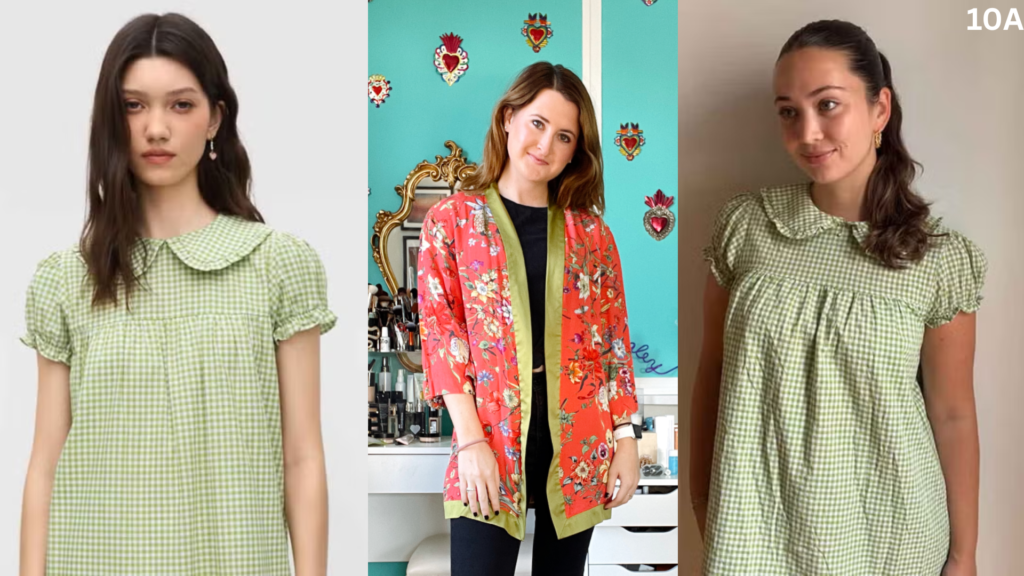
Cider has been pitching its “smart fashion model” since launch. The idea is that they use real-time consumer data to produce only what people actually want reducing overproduction and waste compared to traditional fashion.
It’s a genuinely smart pitch. In theory, demand-driven production is better than guessing and overproducing.
But in practice in 2026 the story hasn’t changed.
In so far as it promotes an incessant cycle of trends and overconsumption, Cider is indeed fast fashion. At its core, Cider is still promoting overproduction and overconsumption by dropping weekly styles according to mood. It does not have any programs to reclaim its products.
Cider is a fashion brand that focuses on trend replication and quick production. As a digitally-native label, Cider drops hundreds of new styles every week, catering to the Instagram generation’s hunger for newness.
You cannot claim to reduce waste while simultaneously fueling a weekly drop cycle designed to make last week’s outfit feel outdated. The logic doesn’t hold. And in 2026, consumers are increasingly sharp enough to notice.
Good On You Rating 2026: “We Avoid”
Good On You is one of the world’s most trusted independent fashion ethics platforms. They rate brands across three pillars Planet, People, and Animals using publicly verifiable data and brand disclosures.
Cider’s rating has not improved.
Overall, Cider receives Good On You’s lowest score of “We Avoid” owing to its lack of action across the board. Ultimately, the brand can make piecemeal improvements and increase transparency, but as an ultra fast fashion brand rooted in overconsumption and mass production, it cannot be a responsible brand worth supporting without a deeper shift in its business as usual.
Here’s what drives those scores in 2026:
Planet “Very Poor” Cider uses few lower-impact materials. It follows an unsustainable fast fashion model with quickly changing trends and regular new styles. There’s no evidence it’s taking meaningful action to reduce or eliminate hazardous chemicals in manufacturing. There’s no evidence it’s taking actions to protect biodiversity in its supply chain.
People “Very Poor” There’s no evidence it supports diversity and inclusion in its supply chain. There’s no evidence it provides financial security to its suppliers. No evidence shows Cider pays living wages or protects workers in its supply chain.
Unlike brands such as Athleta that publish detailed sustainability reports, Cider provides minimal third-party verified information about their environmental performance. The brand lacks recognized certifications from organizations like Fair Trade, GOTS, or B Corporation, which would validate its claims.
That’s a failing grade across every category that matters for ethical fashion. And it comes from an independent source, not a competitor or activist group.
The Materials Problem Hasn’t Changed
Most of Cider’s product line still uses synthetic fabrics like polyester, rayon, and spandex. These materials shed microplastics in the wash, polluting water systems and harming marine life. They’re also not biodegradable they stay in landfills for decades after being discarded.
This not only harms the environment but also contributes to the growing problem of microplastics in our oceans. Despite being a fast-fashion brand, Cider does not appear to have taken any meaningful action to reduce or eliminate hazardous chemicals.
Price points at Cider remain consistently low, with most items falling between fifteen and forty dollars. Producing garments ethically at such price points presents significant challenges. The brand’s ability to maintain these prices while claiming sustainability efforts deserves scrutiny.
An $18 dress that ships from China to your doorstep in two weeks involves a long chain of workers, materials, logistics, and energy. The math of who absorbs the cost of that convenience rarely adds up in workers’ favor.
The ReCider Collection: A Step Forward or Just Green Dressing?
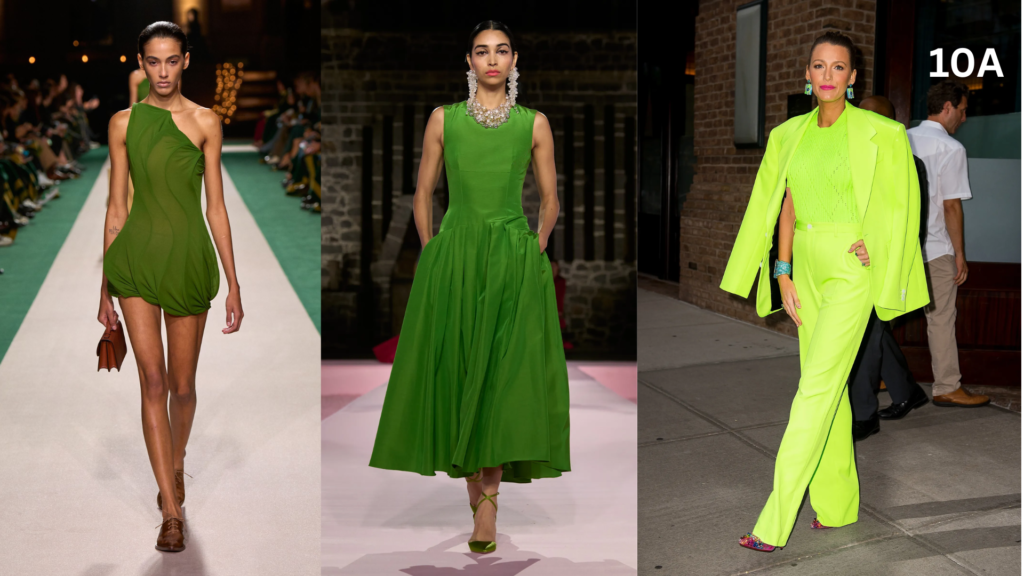
To be fair, Cider does have its ReCider recycled materials line. It uses Global Recycled Standard certified fabrics a legitimate certification that verifies recycled content and tracks it through the supply chain.
That’s real. It deserves acknowledgment.
But here’s the honest 2026 assessment:
Cider greenwashes by saying that the pieces of their recycled collection are made of recycled certified materials when in truth they are blended with other fabrics like polyester. Cider is not considered a truly sustainable brand. A few recycled products or eco-focused claims do not outweigh the environmental impact of a fast fashion business model.
One recycled line within a billion-dollar fast fashion operation is like putting a recycling bin in a coal plant. The gesture is real. The impact on the overall system is minimal.
Design Theft: A Problem That Hasn’t Gone Away
One of the less-discussed issues with Cider is its track record on design copying.
A few small fashion designers have accused Cider of directly copying their designs. Sustainable fashion brand Lydia Bolton’s jacket design was ripped off by Cider with little resolution. Bolton makes sustainable alternatives from textile scraps using ethical and sustainable practices, with most designs a unique one-off.
Independent designers invest significant time and creativity into original work. When a fast fashion brand replicates that work at $18, it doesn’t just harm the original creator financially it makes the original’s ethical production model economically unviable.
This issue isn’t unique to Cider. But it’s part of the full picture of what the brand does.
Cider vs Shein in 2026: What’s Actually Different?

People still ask whether Cider and Shein are the same. The comparison is fair and worth addressing clearly.
Most commonly compared to ultra fast fashion brand Shein, Cider is like its more bubbly, artsy little sister.
Both brands produce trendy, low-cost apparel and have warehouses and factories in China. Both target Gen Z through social media. Both operate on high-volume, rapid-trend business models.
The differences are mostly aesthetic and positioning. Cider’s brand identity is more curated. Their Instagram looks more intentional. Their “shop by mood” system feels more personal than Shein’s overwhelming product catalog.
But beneath that aesthetic difference, the business model is structurally the same: low prices, rapid trend cycles, synthetic fabrics, manufacturing in China, and limited transparency on labor conditions.
Yes, ShopCider fits the fast fashion model. It sells many trend styles at low prices, releases new items often, and relies on long supply chains. That does not mean every item is bad, but it means you should treat “ethical” and “sustainable” claims with caution.
What Shoppers Are Saying in 2026
Customer reviews on Trustpilot and Sitejabber sit around 3.8 to 4 out of 5 indicating reasonable satisfaction on the basics of delivery and product appearance.
But quality inconsistency remains the most common complaint. Sizing runs differently across products because Cider uses multiple factories without strict universal sizing standards. A medium in one style may fit very differently from a medium in another.
Trendy Cider dresses look cheap and easy. But fast fashion can hide waste, weak seams, and worker risk. I have seen buyers regret a cart full of impulse buys.
That pattern attractive at first glance, inconsistent on closer inspection is textbook fast fashion. The business model prioritizes speed and trend capture over durable, consistent construction.
Should You Buy From Cider in 2026?
Here’s the honest decision framework:
It might be acceptable if:
- You genuinely cannot afford ethical alternatives and need clothing now
- You buy specifically from the ReCider certified recycled collection
- You buy one or two pieces rather than a full haul
You should reconsider if:
- Worker wages and supply chain ethics matter to you
- You want clothes built to last more than one season
- You want to support brands with verified, transparent sustainability data
If you care about ethics and sustainability, you should treat Cider as “high risk” unless it shows clear proof on wages, audits, and materials.
Better Alternatives in 2026
These brands offer similar aesthetics with far better ethical credentials:
- Reformation Trendy women’s clothing with verified environmental certifications and full supply chain transparency
- Everlane Transparent pricing model, ethical factory partnerships, quality basics
- ThredUp The world’s largest online secondhand platform same styles, drastically lower environmental cost
- Depop — Gen Z’s own secondhand marketplace, built for exactly the aesthetic Cider sells
- Pact — GOTS-certified organic cotton, affordable, genuinely sustainable
The next time you’re tempted by a viral fashion brand promising sustainability, look beyond the greenwashing and carefully consider marketing versus reality. Seek out companies that back their ethical claims with real data or opt for rental or resale platforms that give clothes a second life.
Quick 2026 Fact Sheet: Cider at a Glance
| Detail | Information |
|---|---|
| Founded | 2020 |
| Headquarters | Hong Kong (offices in LA, London, Seoul, Beijing) |
| Founders | Michael Wang, Fenco Lin, Yu Wu |
| Funding Raised | $140 million |
| Valuation | $1 billion (unicorn since 2021) |
| Instagram Followers | 4.1 million |
| Price Range | $15–$40 per item |
| Good On You Rating (2026) | “We Avoid” (lowest score) |
| Planet Rating | “Very Poor” |
| People Rating | “Very Poor” |
| Certifications | None (Fair Trade, GOTS, B Corp) |
| Recycled Line | ReCider (GRS certified limited range) |
| Is It Fast Fashion? | Yes |
The 2026 Verdict
In 2026, the answer to “is Cider fast fashion” is the same as it was in 2020 just better documented.
Weekly drops. Synthetic fabrics. Prices too low to guarantee ethical wages. A “We Avoid” rating from Good On You. No verified supply chain transparency. Design copying controversies unresolved.
The marketing has gotten slicker. The Instagram has gotten prettier. But the underlying business model rapid trend cycles, cheap production, minimal accountability hasn’t fundamentally changed.
You now have the full 2026 picture. What you do with it is your call.