



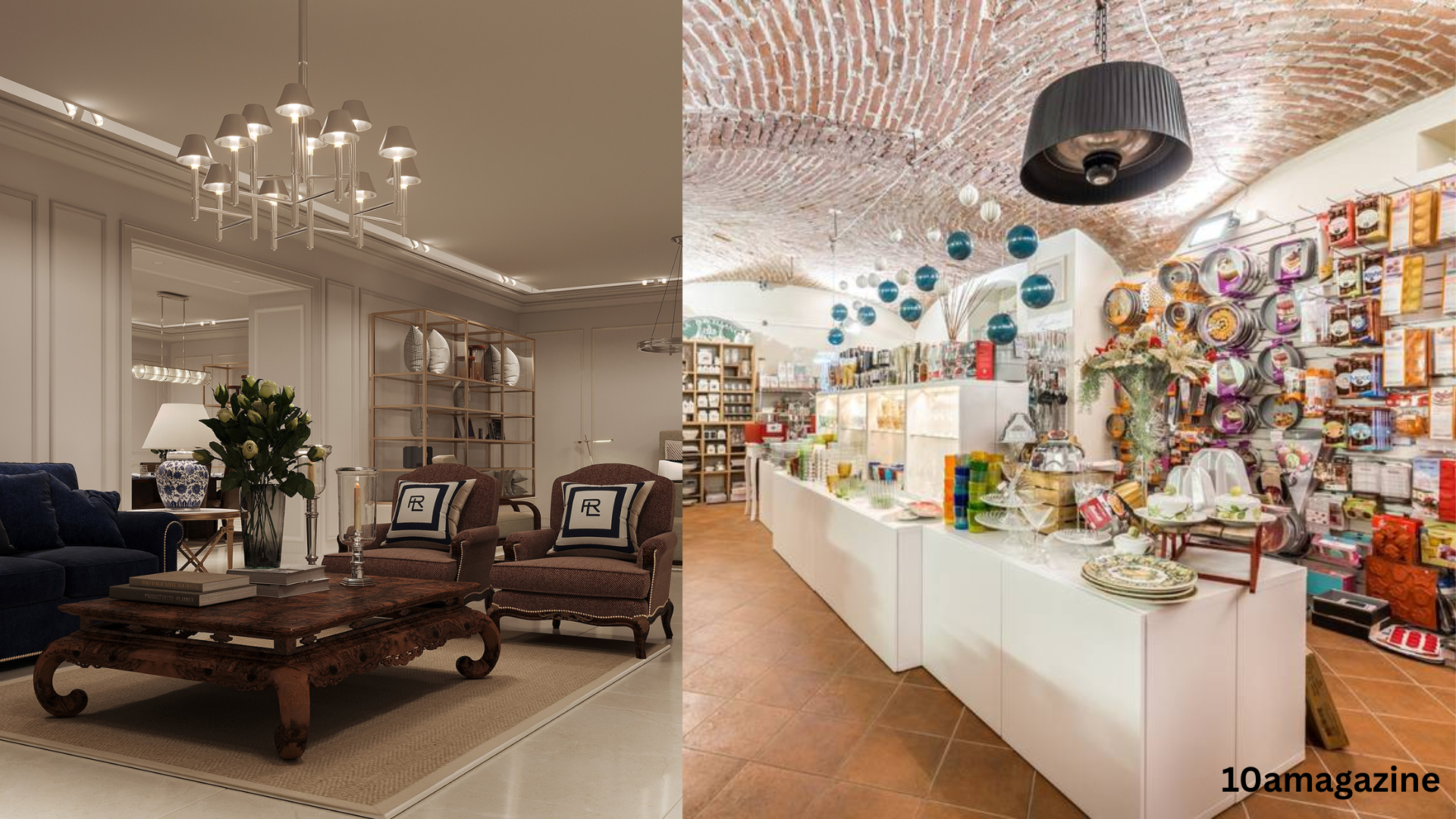
What Does “L’Arte della Casa” Actually Mean?
“L’arte della casa” it rolls off the tongue like a line from an old Roman poem.
Translated literally, it means the art of the home. But ask any Italian grandmother and she’ll tell you it means something far deeper than arranging throw pillows or picking the right curtain colour.
It is a philosophy. A way of living. It is the belief that the home is not just a building it is a living, breathing expression of who you are.
And honestly? The rest of the world is finally catching up.
Italy and Design: A Love Story That Never Gets Old
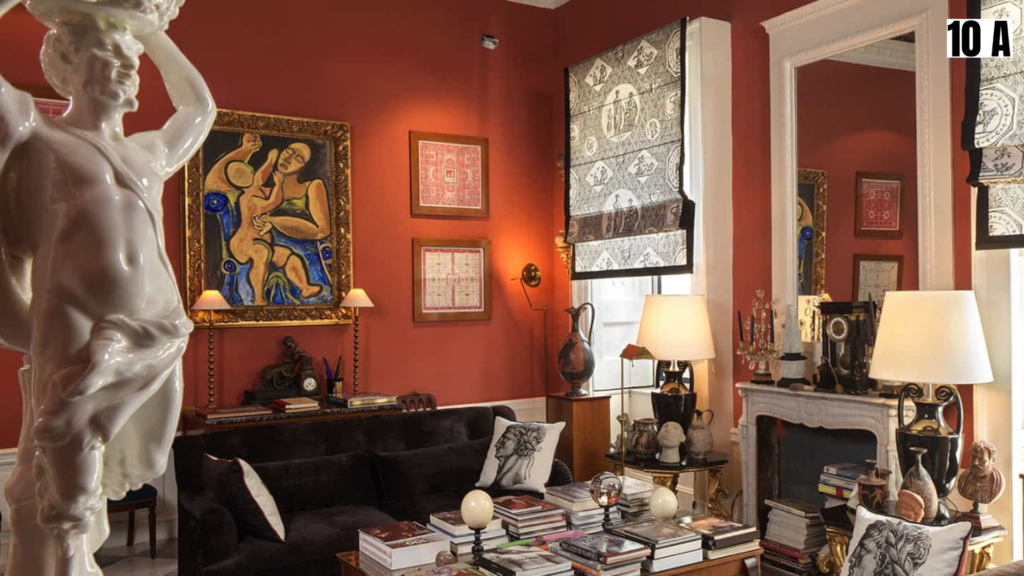
Italy has always had a complicated, passionate, deeply committed relationship with beauty. From the Sistine Chapel ceiling to the Ferrari dashboard Italians do not half-heartedly design anything.
This obsession with aesthetics carries directly into the home. Italian interior design has roots that stretch back through the Renaissance, through Baroque grandeur, through the modernist movement of the mid-20th century and it has never once stopped evolving.
As noted by design historians at Nauradika, the early decades of the 20th century were a transformative time for Italy, seeing it emerge as a global epicentre for culture, art, and design a full-blown renaissance that redefined the essence of Italian aesthetics, especially in the realm of interior design.
That legacy did not fade. It just kept building layers, like a well-seasoned Italian kitchen.
The Core Principles of L’Arte della Casa
1. Beauty Is Not Optional It’s a Responsibility
Italians treat beauty as an obligation, not a luxury. If something lives in your home, it should earn its place either by being useful, meaningful, or beautiful. Preferably all three.
Italian design has always been synonymous with elegance, craftsmanship, and an inherent sense of style. From the Renaissance era to modern-day innovation, Italy has remained at the forefront of interior design, influencing how we decorate and experience our living spaces.
This is not arrogance. It is discipline. And it is why Italian homes feel so intentional, even when they look effortless.
2. Quality Over Quantity Always
Here’s a thought that might make your wallet cry a little: buy one beautiful thing instead of ten average things.
The key to embracing Italian design lies in choosing timeless, high-quality materials. Natural woods, fine leathers, and luxurious fabrics are at the heart of the Italian aesthetic, ensuring that every piece is built to stand the test of time.
An Italian living room does not chase trends. It chooses pieces that age gracefully, like a good Barolo wine which, coincidentally, also belongs in the home.
3. Craftsmanship Is Sacred
Italian artisans are known for their meticulous attention to detail, ensuring every piece is a work of art. Italian designers seamlessly blend tradition with modernity, and every piece tells a story making it more than just furniture, but a piece of history.
This isn’t just poetic language. It is a working reality. Hand-carved furniture, Venetian plasterwork, hand-thrown ceramics these are not museum relics. They are things real Italian homes still use daily.
4. Light Is Everything
Acclaimed Italian interior designer Paola Navone emphasizes light as a key pillar in achieving the Italian aesthetic: “Light is always very important when designing an interior. We love the beautiful natural light that gives the feeling of being outdoors. Wellbeing focuses on simplicity, natural materials, and handmade items.”
Big windows. Sheer curtains. Rooms positioned to capture the afternoon sun. This is l’arte della casa in its most honest form designing with nature, not against it.
The Colours of an Italian Home
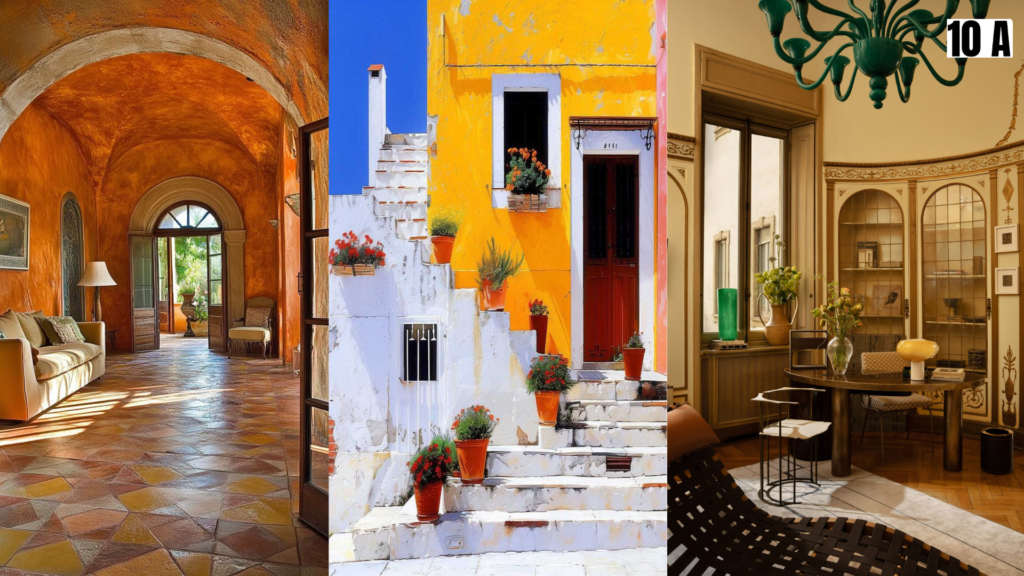
Walk into a home inspired by l’arte della casa and you won’t be blinded by neon orange or assaulted by trendy grey everything.
Italian interior design embraces rich and warm colour palettes that evoke a sense of luxury and sophistication. Neutrals like creams, beiges, and taupes provide a timeless backdrop, while deeper tones like terracotta, deep blues, and greens add depth and drama, creating a warm and inviting ambiance.
Terracotta is not just a colour in Italy. It’s basically a national emotion.
These palettes are grounded in the Italian landscape the warm ochre walls of Siena, the deep blue of the Amalfi Coast, the dusty olive groves of Tuscany. The home mirrors the land it sits in. And when it doesn’t literally sit in Italy, it borrows from that visual memory anyway.
Texture: The Unsung Hero of Italian Rooms
The average person walks into a beautifully designed Italian room and thinks, “This feels right.” They can’t explain why.
The answer is almost always texture.
Luxurious textures play a vital role in Italian design. Fabrics such as silk, velvet, and brocade add opulence and tactile richness to upholstery, curtains, and decorative elements. Textured wall finishes, such as stucco or Venetian plaster, create depth and visual interest.
The combination of rough stone floors with soft wool throws, smooth marble counters beside rough terracotta tiles this contrast is not accidental. It is entirely calculated to make the senses feel at home.
Materials That Define L’Arte della Casa
The materials that designers employ to decorate these homes are what makes Italian home decor so beautiful. Marble floor tiles in varied geometric forms, colours, and inlaid artistry achieve a higher level of decorative standard. Modern Italian homes will have marble flooring and sparkling marble stone, instantly adding beauty to the interiors.
The most commonly used materials in Italian design include:
- Marble in floors, countertops, and walls
- Natural wood for furniture, beams, and flooring
- Terracotta in tiles, pots, and decorative pieces
- Wrought iron in fixtures, railings, and hardware
- Linen and silk in soft furnishings and window treatments
These are not exotic materials hunted from the far corners of the earth. Most of them come from Italian soil. That is another quiet principle of l’arte della casa: design locally, design with intention.
The Italian Kitchen: Where Art Meets Appetite
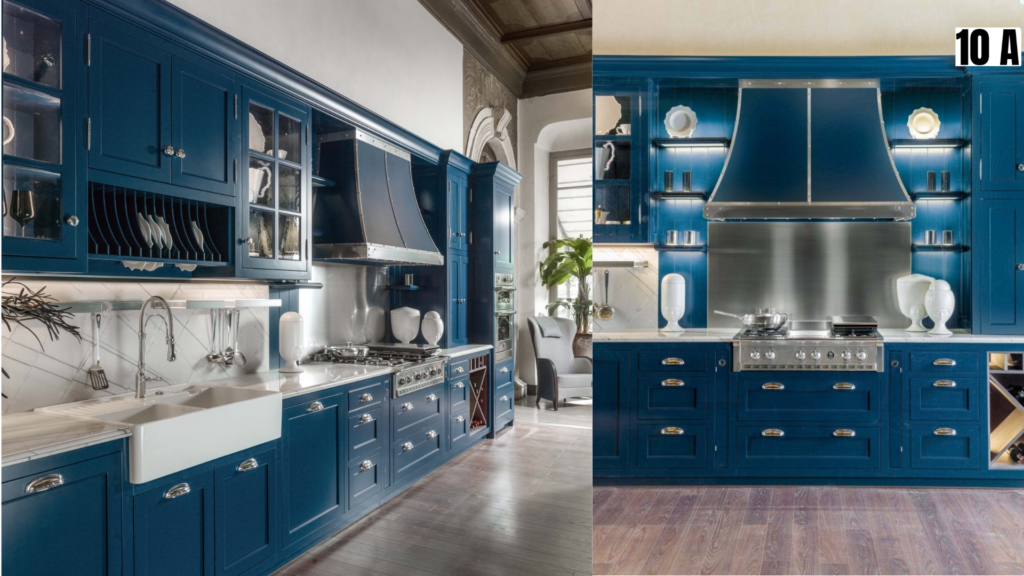
No conversation about l’arte della casa is complete without addressing the kitchen.
In Italy, the kitchen is not a room you hide. It is the emotional centre of the house. It is where the day starts with espresso and ends with wine. It is the loudest room, the warmest room, and quite literally the most fragrant room.
An Italian kitchen values function just as much as form. Open shelving displays beautiful ceramics. Copper pots hang on walls like art installations. A worn wooden cutting board carries more personality than the most expensive décor purchase you’ve ever made.
The kitchen in Italian design is honest. It doesn’t pretend to be a showroom. It shows its use, its age, its stories. And that that is the whole philosophy in one room.
How the World Has Embraced This Philosophy
The global appetite for Italian design is not a niche interest. It is a serious, measurable phenomenon.
The global interior design market was worth $150.7 billion in 2020, with growth projected to hit $255 billion by 2027. A significant portion of that growth is driven by consumer demand for quality, authenticity, and the kind of timeless design that Italian aesthetics have long represented.
Milan is more than just a city it is a trend incubator where ideas take shape before spreading worldwide. Every year, the Milan Design Week sets the direction for global interior trends. Designers from Tokyo, New York, Dubai, and Lagos come to watch what Italy does next.
That is how much influence a single country’s home philosophy carries.
Bringing L’Arte della Casa Into Your Own Home
You do not need to live in a Florentine villa to practise l’arte della casa. You need intention, patience, and a willingness to slow down.
Here are practical ways to start:
Start with one quality piece. Replace one flat-pack item with something made by hand. A ceramic bowl. A solid wood chair. Something that has weight and warmth.
Embrace imperfection. The most beautiful houses are ones that are lived in, constantly changing over an owner’s time in the home. The idea is that you can invent a new setting every day one day covering everything with white fabric for calm aesthetics, the next painting old furniture with a vibrant colour.
Italian homes are not staged. They are lived in. The worn edge of a table tells a story. Let your home tell yours.
Bring nature inside. Fresh herbs on the windowsill. A bowl of seasonal fruit on the table. Flowers from a local market. L’arte della casa connects the indoors to the natural world outside.
Edit, don’t accumulate. Remove three things before you add one. Italian rooms never feel cluttered because Italians exercise ruthless editorial control over what earns a place in their home.
Invest in lighting. Avoid harsh overhead lighting where possible. Use warm-toned bulbs, layered light sources, and candlelight for evenings. The atmosphere of an Italian home at night is practically a design principle on its own.