



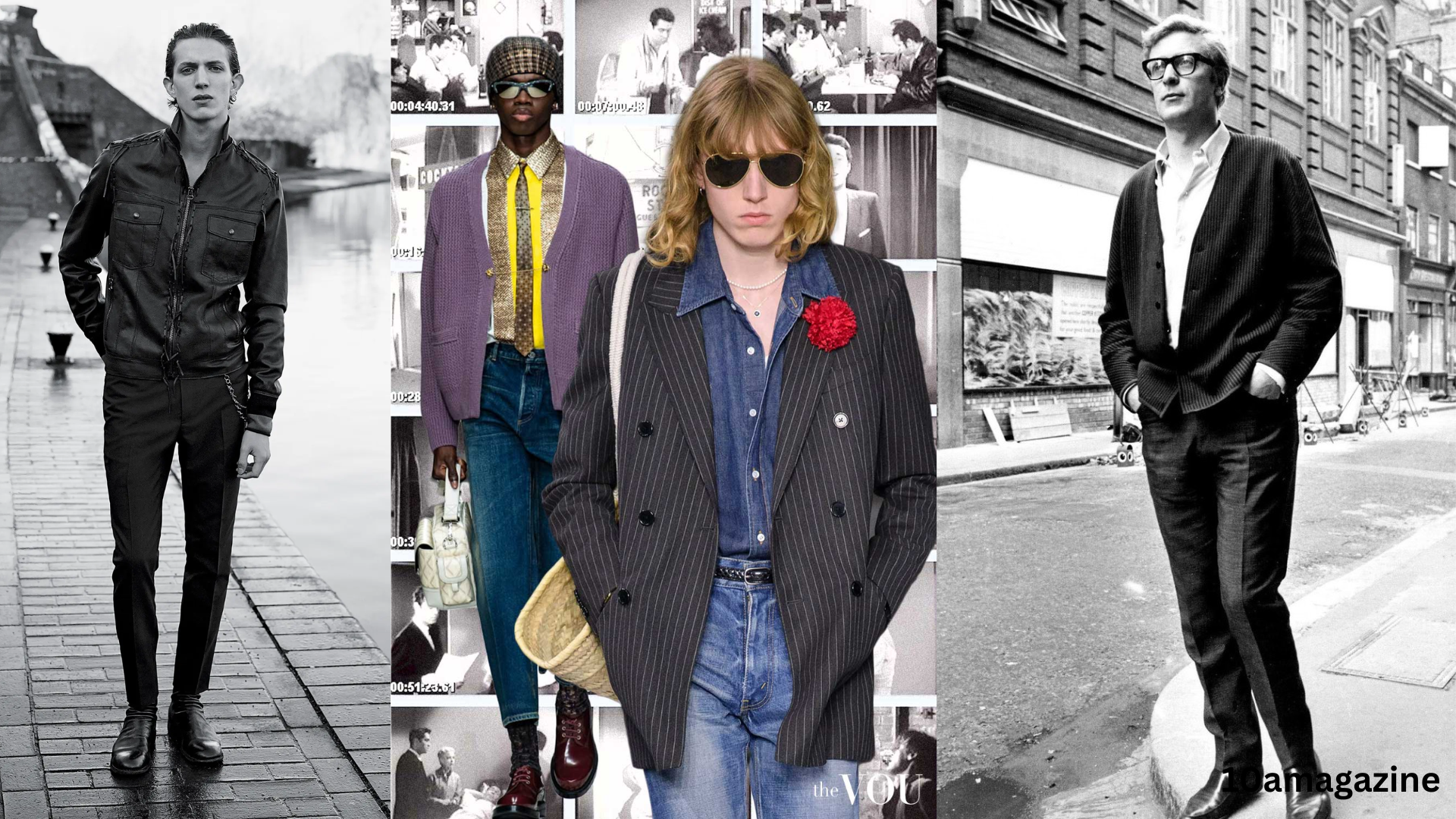
Imagine it is 1957. You walk into a dim coffee house in New York’s Greenwich Village. Someone in the corner is reading Allen Ginsberg’s Howl out loud. A jazz record crackles in the background. And every single person in that room is dressed in head-to-toe black, looking like they have more important thoughts to think than whether their outfit is on trend.
That, in a nutshell, is beatnik fashion. It is unapologetically cool, deliberately simple, and quietly revolutionary. And somehow, nearly 70 years later, people are still copying it.
What Is Beatnik Fashion? A Quick History
The term “beatnik” was not even meant as a compliment. San Francisco Chronicle columnist Herb Caen coined it, combining “beat” with the Russian satellite “Sputnik” partly because Russia’s Sputnik was aloft at the time. The Beats shrugged, kept their turtlenecks on, and carried on. AnOther
The Beat Generation was a literary and cultural movement of young writers, artists, and free-thinkers who rejected conventional society in pursuit of creative expression and personal freedom. Taking its name from “beaten down” or “beatific,” this counter-cultural force emerged from the smoky jazz clubs and dimly lit coffee houses of post-war America, specifically in New York’s Greenwich Village and San Francisco’s North Beach. The VOU
Beat culture arose as a direct response to post-war conformity. Whilst mainstream society embraced suburban uniformity and corporate careers, the Beats championed artistic expression and intellectual pursuit. The VOU
Post-war America was obsessed with conformity neat suits, pastel dresses, and keeping up with the Joneses. The Beats wanted nothing to do with that. Their clothes reflected their philosophy: reject materialism, embrace authenticity, and look like you have better things to worry about than fashion.
Ironically, that deliberate indifference made them one of the most influential style movements in fashion history. Funny how that works.
The Core Beatnik Look: What They Actually Wore
Let’s get specific. Beatnik fashion had a pretty clear visual language, even if the wearers would have scoffed at the idea of following rules.
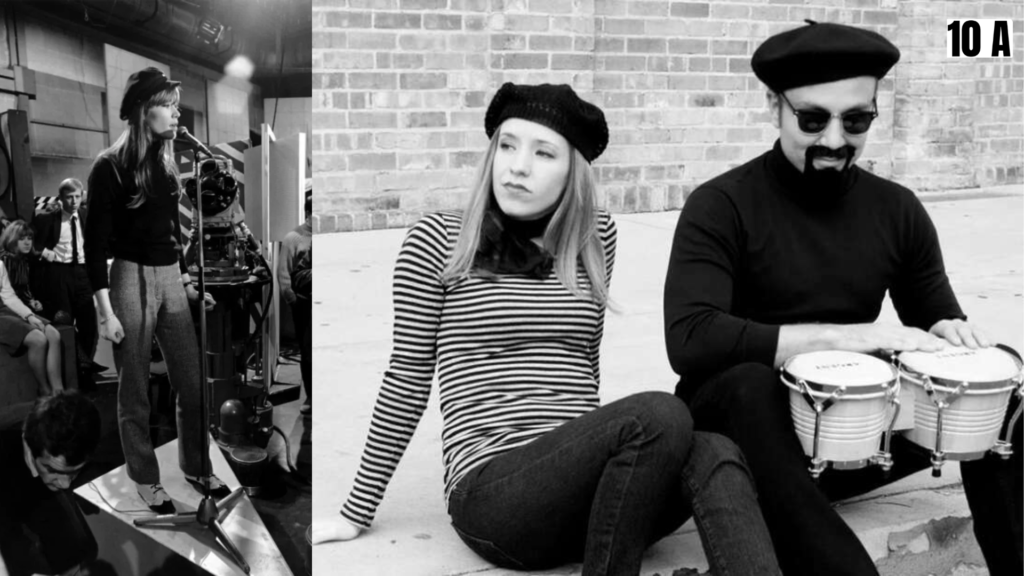
The stereotypical image of the beatnik was a minimalist look of dressed-down functionality black clothing, cigarette pants, stirrup slacks, berets, sunglasses, black leotards, striped tops, and turtlenecks. Women wore their hair long and loose and men sported goatee beards. What was most important was seeming as though you didn’t care what you looked like. Ian Drummond Vintage
Here are the key wardrobe pieces, broken down:
The Black Turtleneck A dark turtleneck sweater was the unofficial uniform of the beatniks. Preferably black, this staple garment was worn by both men and women, exuding an air of casual sophistication. It also said, very clearly: “I am intellectual and I refuse to iron a collar.” Foreverinfashion
The Beret Be-bop trumpeter Dizzy Gillespie became one of many inspirations: his goatee, beret, and horn-rimmed glasses were endlessly emulated by legions of followers and pseudo-intellectuals. The beret had roots in French bohemian culture and gave the whole look a European intellectual edge. AnOther
Cigarette Pants Straight-leg cigarette pants and black turtleneck sweaters became a uniform of choice, while women took to wearing black leotards and stirrup slacks tight clothes which allowed freedom of movement and spoke volumes about their sexual freedom. AnOther
Dark Sunglasses To fully achieve the air of mystery and intellect that the beatniks cultivated, a pair of dark sunglasses was essential. Whether indoors or outdoors, day or night, the sunglasses stayed on. Foreverinfashion
Comfortable Footwear Women who were into beatnik fashion usually steered away from high heels or any kind of uncomfortable, fashionable footwear. Ballet flats, loafers, and simple ankle boots were the standard. Killerkitschdesigns
Breton Stripes Horizontal striped shirts, often in black and white, were a popular choice. They added subtle texture to the otherwise monochromatic outfits. Faz Fashion
Beatnik style was at its height towards the end of the 1950s, and it was usually described as a very minimalist, intellectual, and androgynous style. Men and women tended to wear very similar styles. That gender-neutral approach was genuinely radical in an era when fashion was rigidly divided along gender lines. Killerkitschdesigns
Who Wore It? The Icons Behind Beatnik Style
Beatnik fashion was flaunted by several world-renowned artists such as Andy Warhol, Bob Dylan, and Allen Ginsberg. The Jacket Maker
Bob Dylan’s folk music with social and political themes echoed Beat values. The Beatles’ experimental approaches to music and style were reflective of the Beat ethos. Andy Warhol’s pop art blurred the lines between commercial and fine art, aligning with the beatnik’s challenge to the status quo. Did You Know Fashion
On the women’s side, women writers involved in the movement included Diane di Prima, Joyce Johnson, and Hettie Jones. They rebelled against the popular ultra-feminine New Look at the time, instead opting for oversized sweaters, black jeans, pencil skirts, and silk shirts. Ian Drummond Vintage
The 1957 film Funny Face, directed by Stanley Donen and starring Audrey Hepburn, presented the beatnik culture in its most recognisable form, distilling it into coffee shop conversations, bearded men in berets, and impromptu bongo drum performances. WordPress
The Philosophy Behind the Clothes
This is important: beatnik fashion was never really about clothes. It was about a worldview.
Beat minimalism emerged not from aesthetic preference alone, but from a philosophical stance against post-war consumerism. This approach manifested through careful curation rather than mere reduction each garment served a purpose, whether practical or artistic. The VOU
Parisian bohemian culture had a strong influence. Existentialist philosophy, café culture, and the writings of Sartre fed into the aesthetic that American beatniks made their own. HiddlesFashion
Wearing all black in a society obsessed with bright, cheerful colours was a quiet but clear statement: I am opting out of your performance. No wonder it still resonates. If anything, that anti-consumerist philosophy feels more relevant today than it did in 1958.
Beatnik Fashion in the 1960s: Going Mainstream
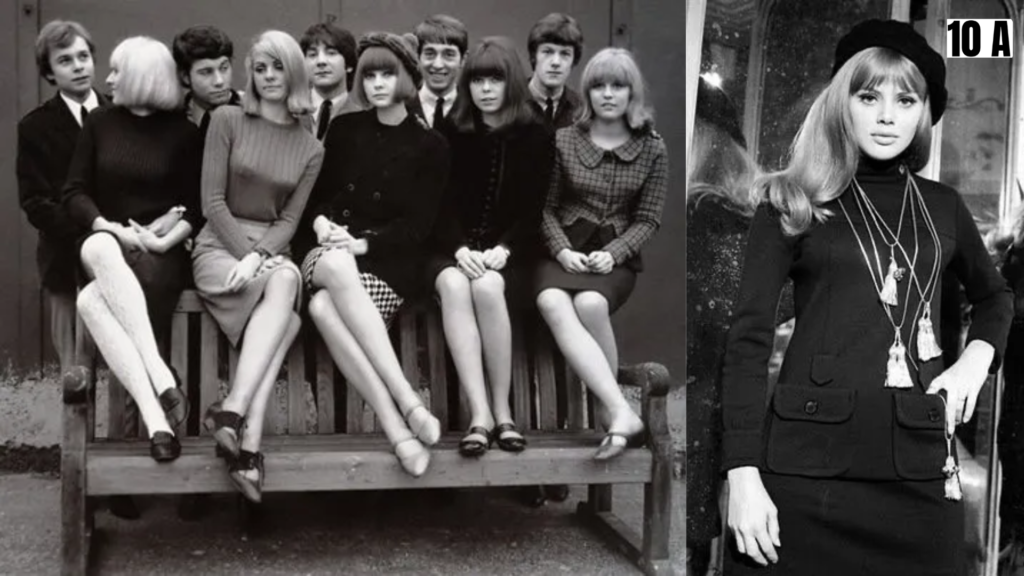
By the early 1960s, beatnik style had outgrown its underground origins. Fashion magazines picked it up. Hollywood costumed characters in it. What had been a deliberate act of anti-mainstream rebellion was now somewhat ironically mainstream.
By the 1960s, beatnik fashion had outgrown its underground roots. What started in jazz clubs was catching a much wider audience. Films, fashion magazines, and television started featuring the beatnik look. The look lost some edge in the process. But it gained reach. And that reach made it permanent in fashion history. HiddlesFashion
Since then, this style has been imitated and reimagined by students, artists, and fashion designers, all with varying levels of sincerity. While the fashion of the Beat Generation provided a stark opposition to the Dior aesthetic that dominated US fashion in the 1950s, the brand’s most recent men’s Fall 2022 collection directly referenced Kerouac and On the Road. Literary Hub
Modern Beatnik Fashion: Why It’s Coming Back in 2026
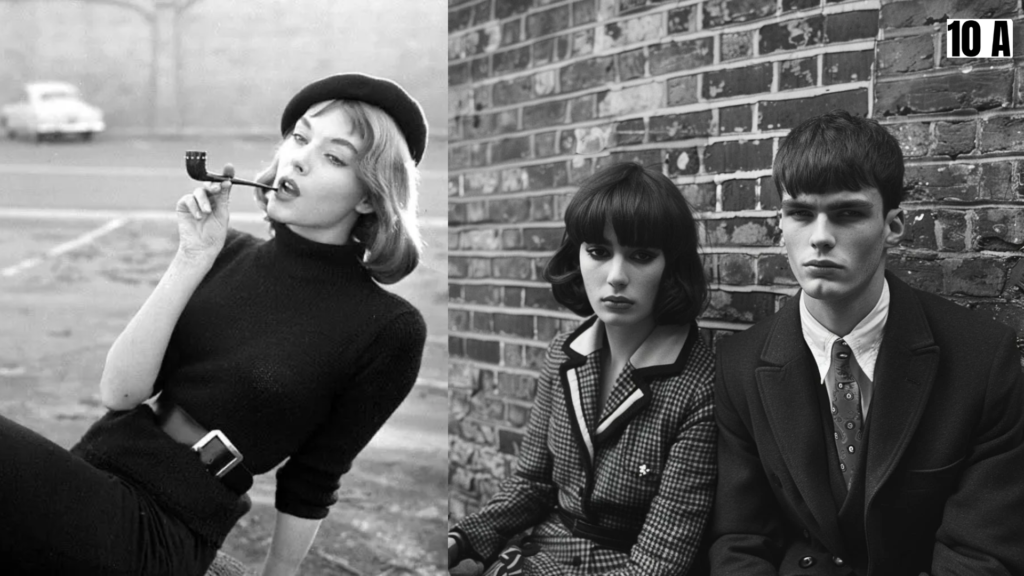
Today’s fashion landscape is witnessing a beatnik revival. The minimalist silhouettes, colour palettes, and understated layering are once again finding their place on runways, in vintage boutiques, and among indie labels. Shearling leather
The beatnik strategy of purchasing less and buying better, then wearing it until it wears out, feels like the future once more especially as consumer sustainability becomes a growing priority. It Is Mandy Style
In a world of fast fashion and a new micro-trend every three weeks, the beatnik philosophy is quietly radical again. The most countercultural thing you can do in 2026 might genuinely be to ignore TikTok trends entirely.
Modern minimalism, the ongoing workwear revival, and current interpretations of intellectual dress all trace their lineage to Beat sensibilities. Their fundamental approach to clothing prioritising quality materials, functional design, and subtle subversion remains remarkably relevant for today’s discerning dresser seeking to express artistic sensitivity through personal style. The VOU
How to Build a Beatnik-Inspired Wardrobe Today
For Women
Audrey Hepburn’s cool signature casual look black capris or cigarette pants, a slim boat-necked top in neutral colours, and flats remains a perfect blueprint. Add a beret, a pair of dark sunglasses, and keep jewellery minimal. A Breton striped top works brilliantly as an alternative to the turtleneck. GBACG
For Men
Beatnik style for men can be revived again you can add a modern twist by pairing wide-legged pants with a cool baggy button-down shirt. Own what you wear, stay confident, and that’s all you really need. A slim leather jacket or pea coat works perfectly as an outer layer. The Jacket Maker
The One Golden Rule
The whole look gave the impression of someone with better things to think about than their outfit. That studied nonchalance made it incredibly striking. Overthinking it is the only mistake you can make. HiddlesFashion
Beatnik Fashion’s Lasting Legacy
The Beats did not set out to create a fashion movement. They set out to live authentically, write honestly, and reject a society they found hollow. The clothes were just what happened when you cared about ideas more than appearances.
While true beatnik fashion is not prevalent today as it once was, we still see undertones of Beat influence in Parisian styles, grunge, and dark academia. The Issue.
“This attitude has persisted today in the sartorial choices of students, writers, and artists who dress themselves with a sense of cool indifference and the functionality of this style also resonates in an era where sustainability is an important element of the conversation in fashion. Now, as then, what we buy and what we wear has a political weight to it.” Ian Drummond Vintage