


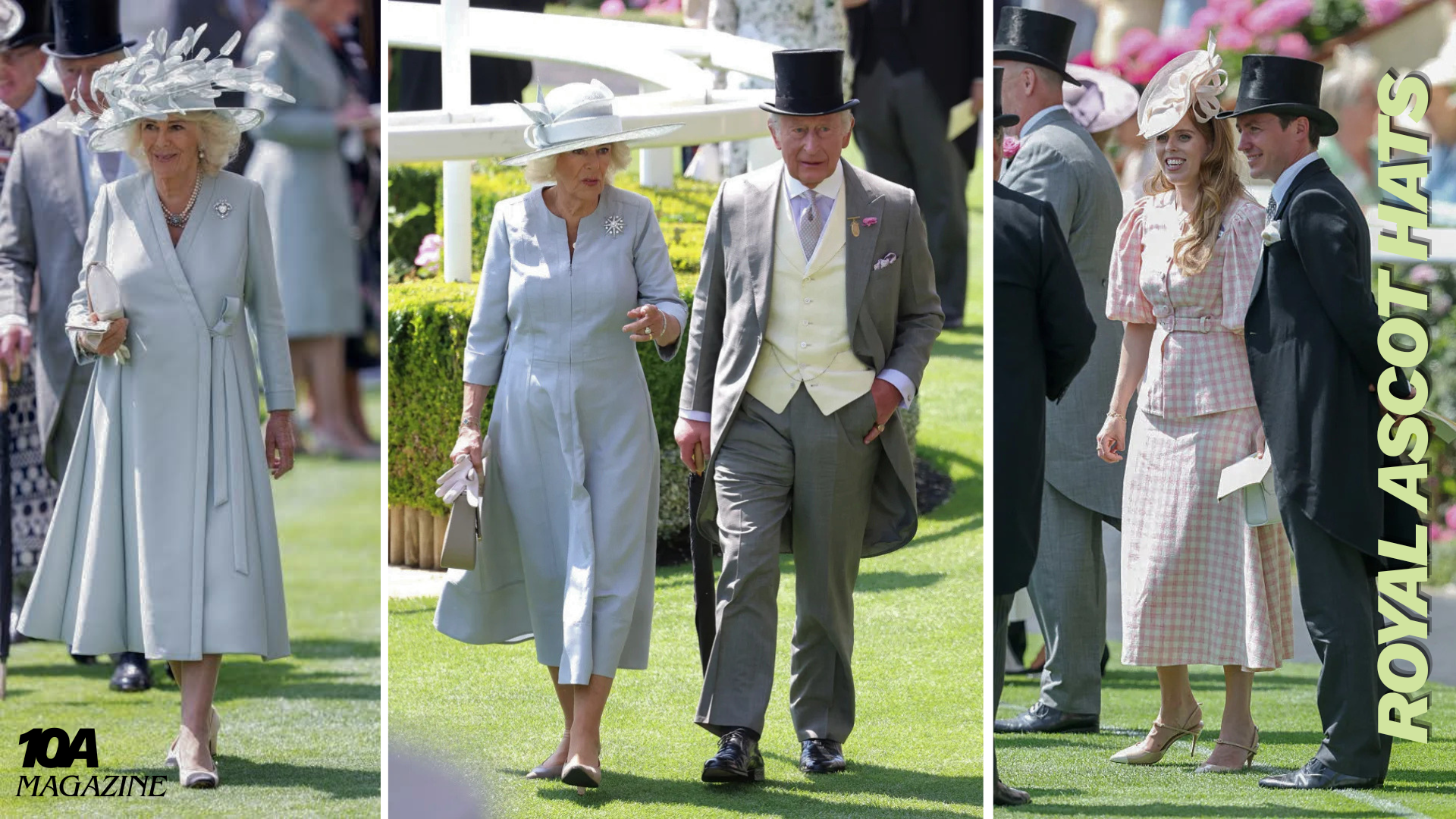
Walk into Royal Ascot without a hat, and you will not get very far. Security will stop you at the gate, smile politely, and point you toward the nearest hat shop. That is not a joke. It is policy.
Royal Ascot hats are not a fashion accessory here. They are part of the entry requirement. This guide breaks down the rules, the history, and the styling logic behind one of Britain’s most famous traditions.
If you have ever wondered why grown adults debate hat-base diameters with the same seriousness as tax law, you are about to find out.
A Tradition Older Than Most Fashion Houses
Royal Ascot began in 1711, when Queen Anne spotted a stretch of heath near Windsor Castle and decided it was perfect for horses to “gallop at full stretch.” She was right. The racecourse she founded still runs every June, and it still expects guests to dress like they mean it (Vivien Sheriff).
The royal procession came later. King George IV introduced it in 1825, and the King or Queen still travels down the course by horse-drawn carriage at 2pm on each race day (WWD).
“Ladies’ Day” has its own origin story. An anonymous poet coined the phrase in 1823, describing Thursday at Ascot as the day “the women, like angels, look sweetly divine” (Town & Country). Interestingly, Ascot itself never uses the term in official marketing. Racing director Nick Smith once explained that the course does not run best-dressed contests, so the label belongs to the public, not the organisers.
Why Hats Are Not Optional Here
Most events suggest a dress code. Royal Ascot enforces one.
The logic goes back to social history. Hats once signalled status, occasion, and respect for formal daywear. Royal Ascot kept that rule alive long after most events dropped it, and it remains one of the only places in Britain where headwear is a literal entry ticket.
There is a practical side too. Five days of racing, royal processions, and global television coverage create a stage. A hat is the easiest way to look the part without buying an entirely new wardrobe.
Stewards at the gate are not being dramatic when they check headwear. Royal Ascot prize money reached a record £19.4 million in 2026, and the event draws royalty, sponsors, and worldwide cameras every single day (Racing Ahead). Letting the dress code slide would chip away at exactly the atmosphere people pay to be part of.
The Royal Ascot Hat Rules, Enclosure by Enclosure
Ascot has four enclosures, and each one has its own headwear rule. Mixing them up is the fastest way to get turned away.
Royal Enclosure
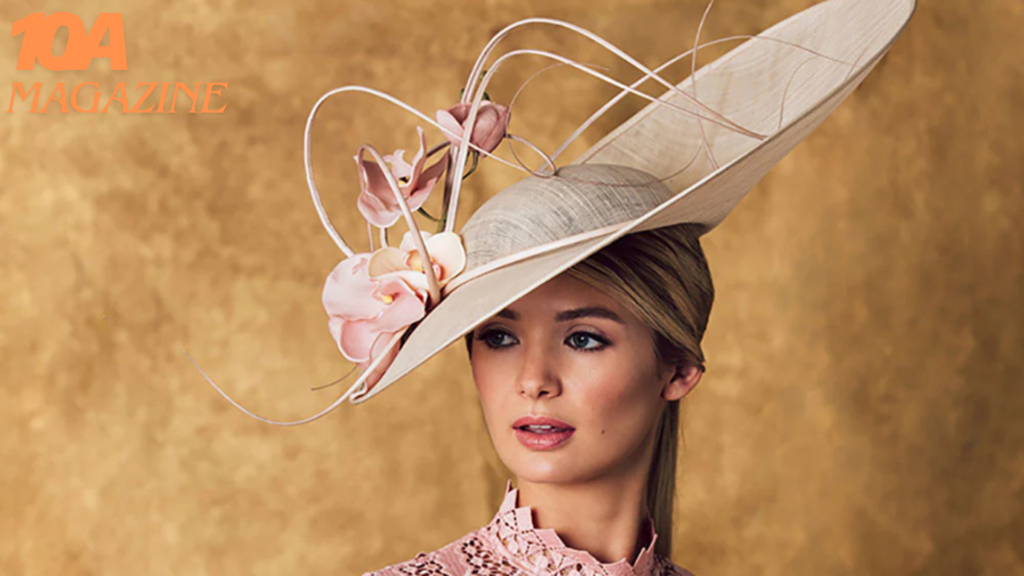
This is the strictest section, and it is by invitation only. A hat is required here, not a fascinator. If you choose a headpiece instead of a full hat, it must sit on a solid base of at least four inches (10cm) in diameter (Horse & Hound).
Queen Anne Enclosure
A hat, headpiece, or fascinator must be worn at all times. The base-size rule from the Royal Enclosure does not apply here, which makes this section more forgiving for smaller, lighter designs (Eventmasters).
Village Enclosure
Hats or headpieces are encouraged rather than mandatory, and smaller styles are actually recommended for comfort over a long race day (Read Horse Racing).
Windsor Enclosure
This is the most relaxed enclosure. A hat or fascinator is recommended but not compulsory.
Hat or Fascinator? The Difference Actually Matters
People often use these words like they are interchangeable. At Ascot, they are not.
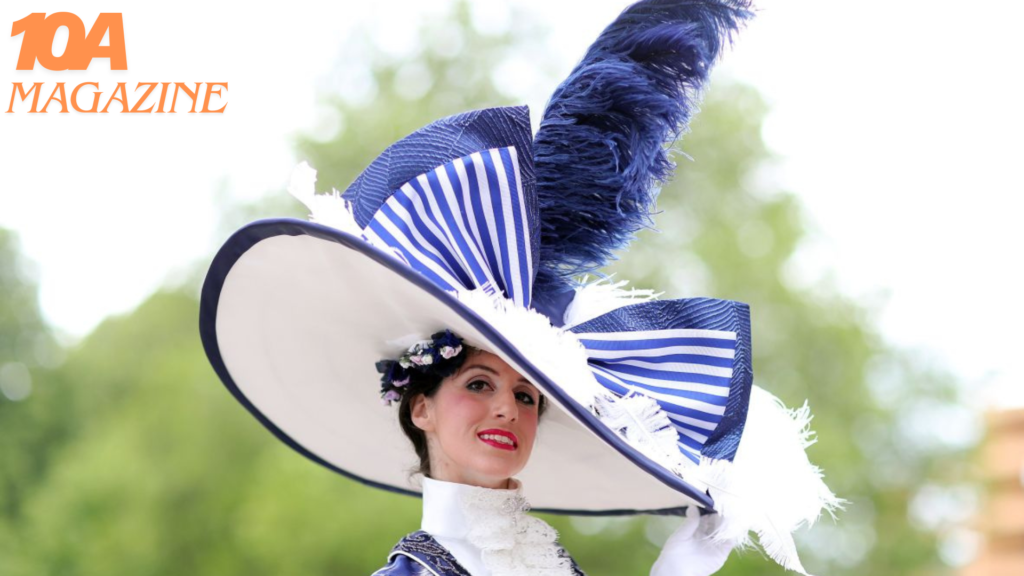
A hat covers a noticeable part of the head and usually has a brim or structure of its own. A fascinator is smaller, lighter, and clips into the hair, often built around feathers, netting, or a small disc shape.
The simple rule: if you are heading into the Royal Enclosure, choose a hat or a headpiece with a base of 10cm or more. Everywhere else, a fascinator works perfectly well. When in doubt, a structured headpiece on a solid base is accepted across every enclosure, so it is the safest single option if you are unsure where you will end up.
Top Hats: The Men’s Side of the Story
Men get their own headwear rule, and it is just as strict. Inside the Royal Enclosure, gentlemen wear black or grey top hats with full morning dress, including a waistcoat and tie.
History has its own fun footnote here. In 1797, John Heatherington was reportedly jailed simply for wearing one of the first top hats in public, after it apparently startled passersby (McCarthy Stone). Two centuries later, that same hat style is the gold standard at Britain’s most famous race meeting. Fashion has a long memory.
Stewards at the Royal Enclosure gate check top hats closely. Black or grey passes. Anything novelty, customised, or clearly borrowed for the occasion gets a second look.
The Milliners Behind the Magic
Royal Ascot has built an entire micro-industry around hat-making, and it actively protects the craft.
Designer David Shilling spent thirty years creating outrageous headpieces for his mother, including styles shaped like the Eiffel Tower. Modern names like Jane Taylor, Vivien Sheriff, and Merve Bayindir continue that tradition with structured, sculptural designs seen on royals and celebrities every June.
Ascot also runs the Royal Ascot Millinery Collective, a programme that pairs emerging milliners with established designers. The 2026 edition marks its tenth anniversary, with creative direction from Daniel Fletcher (BBC).
You can see the full range of looks each year on the official Royal Ascot Instagram, which posts daily outfit highlights straight from the course.
Royal Ascot 2026: What’s Trending
This year’s official style handbook introduces Ascot’s first-ever Colour of the Year: a bold orange-red shade nicknamed “Bright Tomato.” Creative Director Daniel Fletcher described it as the colour of a ripe tomato, built to create instant summer energy (Fascinator.co.uk).
Guests are encouraged to wear the shade on Gold Cup Day, Thursday 18 June, alongside bold millinery rather than understated accessories.
Royal Ascot Hats vs Kentucky Derby Hats
People often lump these two traditions together, but the energy is quite different.
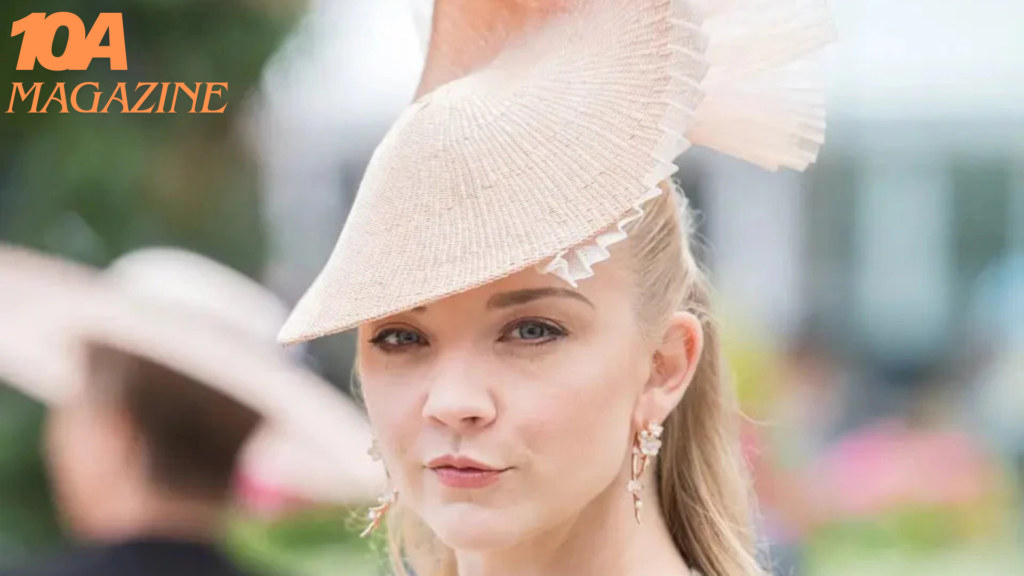
Royal Ascot favours structured elegance. Think clean lines, fitted bases, and a fairly restrained colour palette outside of statement days. The Kentucky Derby, held since 1875, leans the opposite way, with oversized brims, bright florals, and a “bigger is better” attitude (Sara Adrien).
Both events borrow from the same root idea, dressing up for a day of horse racing, but Ascot keeps one foot firmly in formal British etiquette while the Derby treats the hat as a canvas for personality.
Tips for Choosing Your Royal Ascot Hat
A few practical points before you buy:
- Match the hat to your enclosure rules first, then to your outfit.
- Choose a base of 10cm or more if you are unsure where the day will take you.
- Pick comfort over height. You will wear this hat for several hours on grass and gravel.
- Coordinate colour with your outfit, not the other way around. Hats are easier to source last.
- Avoid anything that blocks your own view or the people behind you at the rail.
Frequently Asked Questions
Do you have to wear a hat at Royal Ascot? Yes, in the Royal Enclosure. A full hat is required, and fascinators are not accepted there. Other enclosures allow fascinators or headpieces.
What size hat is required for Royal Ascot’s Royal Enclosure? Any headpiece used as an alternative to a hat needs a solid base of at least four inches (10cm) in diameter.
Can men skip the top hat? Not inside the Royal Enclosure. Outside it, in the Village and Windsor Enclosures, the rules relax considerably.
Is Ladies’ Day an official Royal Ascot title? No. It is a popular nickname for the Thursday of the meeting, but Ascot does not use the term in its own marketing.
Can I wear the same hat to every enclosure? Yes, as long as it meets the Royal Enclosure’s 10cm base rule. A compliant hat or headpiece is accepted everywhere, which makes it the safest choice if your seating changes during the week.
Final Thought
Royal Ascot hats sit at an unusual crossroads of fashion, etiquette, and three centuries of British tradition. The rules might look fussy on paper, but they protect something genuinely rare: an event where a hat still means something.
Whether you go bold with feathers or simple with a clean-lined headpiece, the goal stays the same. Dress for the enclosure, respect the tradition, and enjoy a day that has not changed its core idea since 1711.