



Benefits, Uses, Nutrition Facts & Why This Tiny Fruit Is a Big Deal
Published in: Health & Nutrition | Estimated read time: 6 minutes
You’ve probably squeezed a lemon over your grilled fish and felt pretty proud of yourself. But somewhere in Southeast Asia, people looked at that and said, “Cute. But have you tried kalamansi?”
And honestly? They have a point.
Kalamansi (also spelled calamansi) is a small citrus fruit native to the Philippines and Southeast Asia that punches way above its weight class — in flavor, nutrition, and versatility. If you’ve never heard of it, consider this your introduction. If you already know it, you’re about to appreciate it even more.
What Is Kalamansi?
Kalamansi (Citrus × microcarpa) is a hybrid citrus fruit — a natural cross between a mandarin orange and a kumquat. It belongs to the family Rutaceae and is one of the most popular and widely used fruits across the Philippines, Malaysia, and Indonesia.
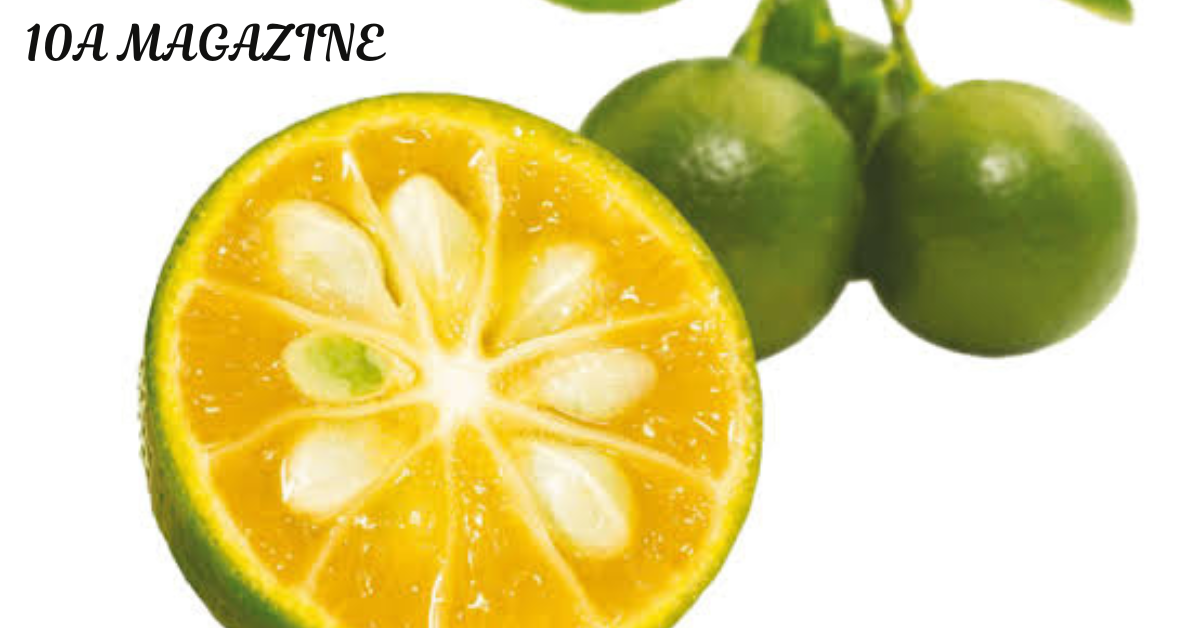
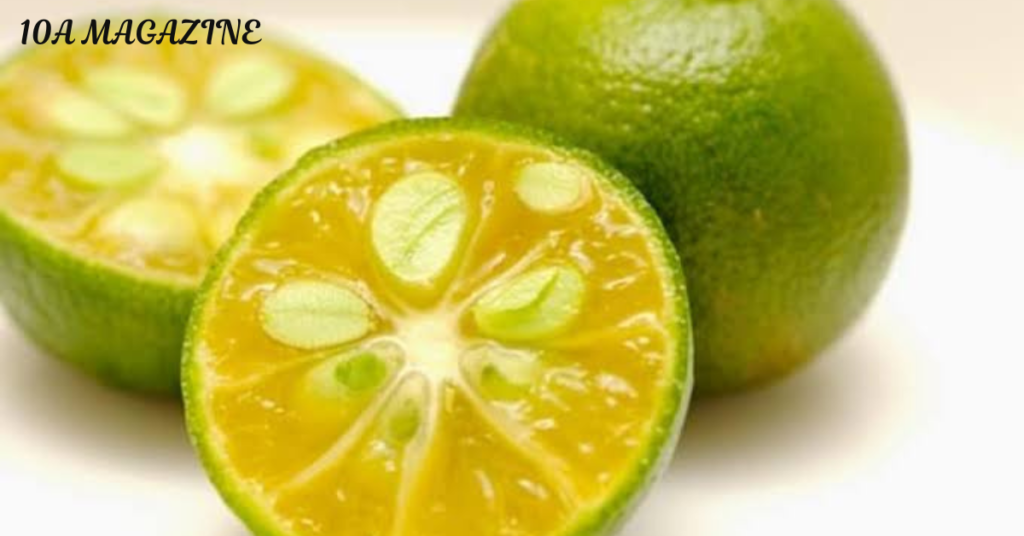
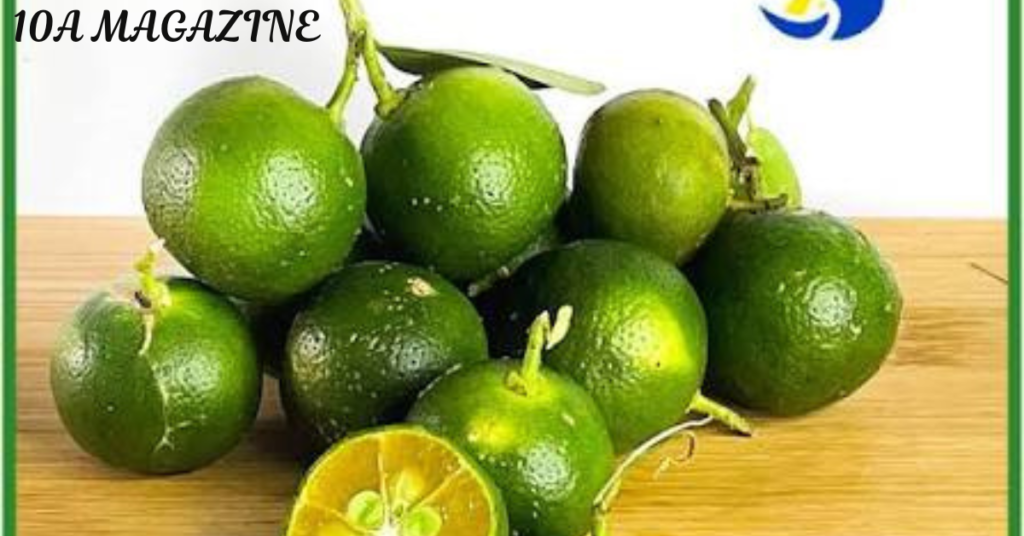
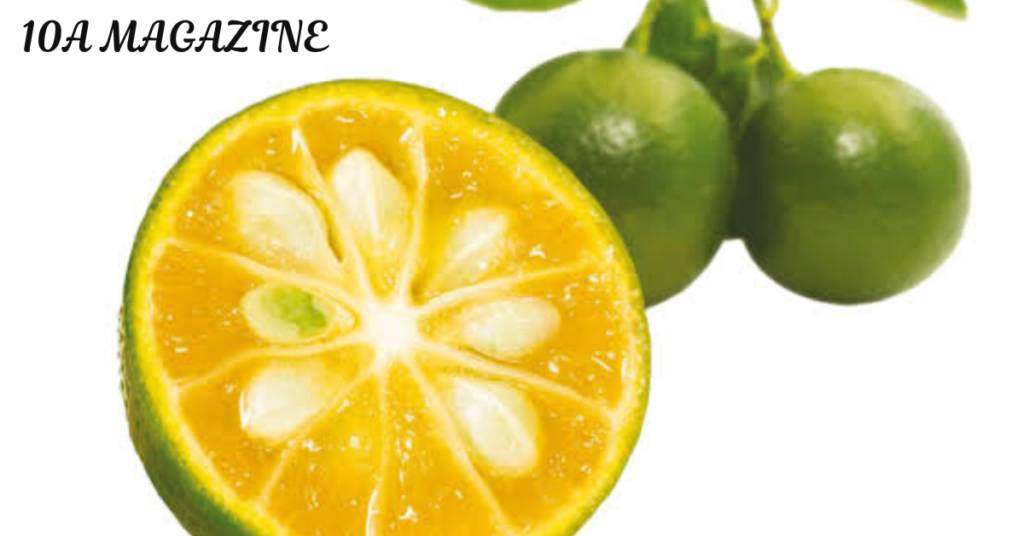
The fruit is small — typically around 2–4.5 cm in diameter — and looks like a miniature lime or tangerine. Its skin starts out green and turns yellow-orange as it ripens. The pulp inside? A vibrant orange color with 8 to 12 seeds per fruit.
Flavor-wise, think of a lemon and lime having a baby, with a tiny whisper of sweetness when fully ripe. That’s kalamansi.
Source: Mega We Care Nutrition Guide | Bokksu Market — Calamansi Guide
It’s scientifically known as Citrofortunella microcarpa and goes by several regional names: limau kasturi in Malaysia, jeruk kalamansi in Indonesia, and simply kalamansi or calamansi in the Philippines. In the West, you might see it called calamondin orange, Chinese orange, or Philippine lime.
Kalamansi Nutrition Facts
Don’t let the small size fool you. This fruit is nutritionally dense.
According to data sourced from USDA and FDA guidelines, here’s what kalamansi brings to the table per 100ml of juice:
- Calories: ~25 kcal (one of the lowest-calorie citrus options available)
- Vitamin C (Ascorbic Acid): ~40.20 mg per 100ml
- Calcium: ~41 mg
- Iron: present in meaningful amounts
- Flavonoids: ~1.41 mg per 100ml
- Antioxidant Activity: 777.0 mg per 100ml
- Glycemic Index: only 37 (classified as low GI)
- Fat: minimal
Source: IPB University Research on Kalamansi Lipid Profiles | SnapCalorie Nutrition Data
The low GI of 37 is worth noting — it means kalamansi juice produces a naturally gentle blood sugar response compared to most fruit juices. That’s surprisingly good news for people watching their glucose levels.
7 Impressive Health Benefits of Kalamansi
1. Boosts Your Immune System
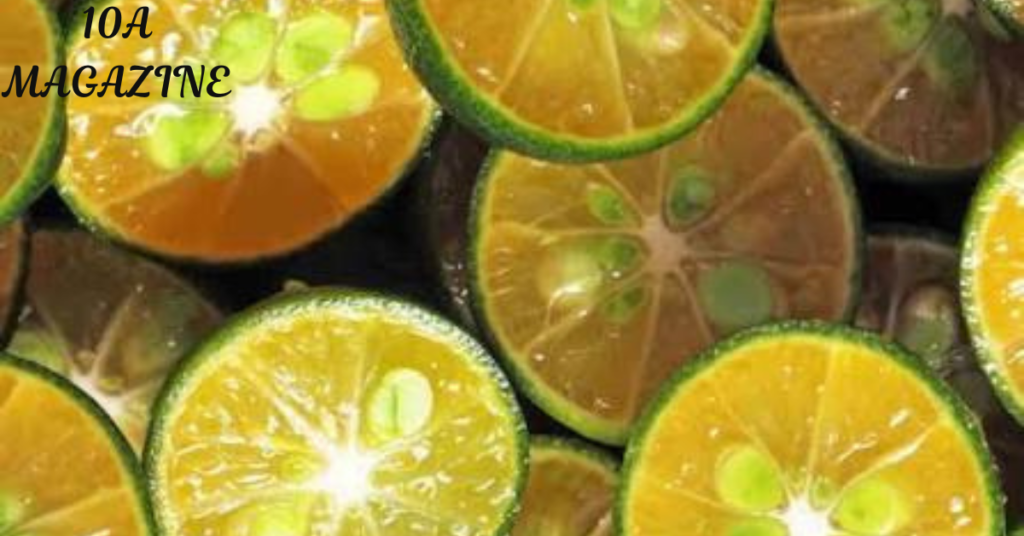
Kalamansi is loaded with Vitamin C, which is your immune system’s best friend. It stimulates the production of white blood cells and helps your body fight off bacterial and viral infections faster. Think of it as nature’s vaccine shot — just smaller, sourer, and more delicious.
Reference: Rita Beverage Health Guide | Netmeds Health Library
2. Supports Heart Health and Lowers Cholesterol
Research from Bogor Agricultural University (IPB) found that consuming 300ml of kalamansi juice significantly reduced total cholesterol (TC), triglycerides (TG), and LDL cholesterol, while increasing HDL (the “good” cholesterol) in overweight adult women.
The flavonoids in kalamansi — particularly hesperidin — carry antihypertensive and anti-hypercholesterolemia properties. That’s science for: this fruit is genuinely good for your heart.
Reference: IPB University Research Study
3. Aids in Digestion and Detoxification
Kalamansi’s natural citric acid helps flush toxins from the kidneys, liver, and gallbladder. It also supports better digestion and helps regulate gut health.
Many Filipinos drink warm kalamansi water in the morning — first thing, before eating — as a gentle daily detox ritual. Considering its low acidity impact when diluted, it’s a habit worth borrowing.
Reference: PotsandPans India — Kalamansi Facts
4. Helps Manage Blood Sugar Levels
With a glycemic index of just 37, kalamansi juice sits comfortably in the low-GI category. Studies show it can help stabilize glucose and insulin levels in the blood.
Pure, unsweetened kalamansi juice has only about 25 calories per 100ml. Commercial sweetened versions, however, can jump to 80–120 calories per 100ml — so always check your labels.
Reference: NutriScan Calamansi Juice Guide
5. Clears Respiratory Congestion
The citric acid in kalamansi helps break down phlegm and mucus in the lungs, easing throat discomfort. That’s why a classic home remedy across Filipino households is warm water + kalamansi juice + honey. Simple. Effective. Grandma-approved.
Reference: PotsandPans India
6. Brightens and Protects Skin
Kalamansi has earned a solid reputation in Asian skincare — and for good reason. Its high Vitamin C content boosts collagen production, fades dark spots, and evens out skin tone.
Filipino beauty brand Human Nature even uses kalamansi extract in their Vitamin C + Hyaluronic Acid Radiance Serum for exactly this reason — to enhance skin firmness and elasticity.
As a natural brightener, it gently exfoliates the skin surface and helps with pigmentation when used topically. That said, direct application to sensitive skin should be done carefully, since its acidity can cause irritation.
Reference: Cosmo Philippines — Indigenous Skincare Ingredients | Joly Beauty Filipino Skincare Heritage
7. Supports Weight Management
A few studies suggest kalamansi juice helps maintain a healthy lipid profile and supports metabolic function — both important factors in managing body weight. Its low calorie count and high antioxidant activity also make it a smarter swap for sugary drinks.
Culinary Uses of Kalamansi
This is where kalamansi really shines — and why Filipino cuisine wouldn’t be the same without it.
In the kitchen, kalamansi is used for:
- Toyomansi — kalamansi mixed with soy sauce, the universal Filipino dipping sauce and marinade
- Squeezing over pancit (Filipino rice noodles), grilled seafood, and meats
- Making calamansi juice — fresh, sweetened, or mixed into iced tea
- Flavoring sorbets, ice cream, jello, and desserts
- Preparing marmalades, fruit preserves, chutneys, and vinaigrettes
- Replacing lemon or lime in recipes — it works as a 1:1 substitution in most cases
The Philippines even exports pasteurized kalamansi juice commercially. In Malaysia, it’s blended into sambal and laksa. In Hawaii, it’s made into a papaya-kalamansi marmalade (which sounds incredible, by the way).
Globally, kalamansi is gaining traction in craft cocktails and artisan beverages — a trend that’s slowly but surely putting this fruit on the world’s culinary map.
How to Use Kalamansi Daily
Here are some simple, practical ways to add kalamansi to your routine:
- Morning detox drink — Squeeze 2–3 kalamansi fruits into warm water and drink on an empty stomach (avoid if you have GERD or active ulcers)
- Salad dressing — Use as a citrus base with olive oil and garlic
- Marinade — Mix with soy sauce for an authentic Filipino-style marinade
- Skincare — Dilute fresh juice with water and apply to dark spots with a cotton pad (patch test first!)
- Immunity shot — Mix kalamansi juice with honey and ginger for a quick cold-fighting tonic
Recommended intake: 2–3 fruits or about 1–2 tablespoons of juice per serving is the sweet spot. More than that daily can lead to heartburn or enamel erosion from the citric acid.
Source: SnapCalorie Nutrition
Kalamansi vs. Lemon vs. Lime: What’s the Difference?
| Feature | Kalamansi | Lemon | Lime |
|---|---|---|---|
| Size | Very small (2–4.5 cm) | Medium | Small-Medium |
| Flavor | Sour + hint of sweetness | Tart, sour | Tart, slightly bitter |
| Vitamin C | ~40mg/100ml | ~53mg/100g | ~29mg/100g |
| Calories | ~25 per 100ml | ~29 per 100g | ~30 per 100g |
| GI | 37 (low) | ~20 | ~20 |
| Best for | Dipping, marinades, juice, skincare | Baking, tea, dressings | Cocktails, Thai food |
Kalamansi is slightly sweeter than lemon and less bitter than lime. Nutritionally, it holds its own against both — and often wins on flavor complexity.
Where to Find Kalamansi
Fresh kalamansi is most commonly found in:
- Filipino grocery stores and Asian supermarkets
- Farmers’ markets in cities with large Filipino or Southeast Asian communities
- Online — as frozen juice, concentrate, or powdered form
Can’t find fresh fruit? Look for pure, unsweetened kalamansi concentrate — just read the label carefully to avoid versions loaded with added sugar.
A Quick Note on Safety
Kalamansi is safe for most people. A few things to keep in mind:
- Avoid on an empty stomach if you have acid reflux or GERD
- Don’t apply undiluted juice directly to sensitive skin
- Pregnant women can consume it in moderation — Vitamin C aids iron absorption, which is especially valuable during pregnancy
- Diabetics — the low GI of 37 makes it a relatively safe citrus choice, but stick to unsweetened versions
Final Thoughts
Kalamansi is one of those ingredients that quietly does everything right — it boosts immunity, supports your heart, detoxifies your body, brightens your skin, and makes your food taste better. All in a fruit roughly the size of a large marble.
It’s been a kitchen and medicine cabinet staple in the Philippines for centuries. Now, the rest of the world is slowly catching up — and for good reason.
So the next time you reach for a lemon, maybe pause. Ask yourself: what would kalamansi do?
References & Sources
- IPB University — Kalamansi Lipid Profile Research
- Netmeds Health Library — Calamansi Fruit Benefits
- SnapCalorie — Calamansi Nutrition Facts (USDA/FDA)
- NutriScan App — Kalamansi Juice Guide
- Mega We Care — Calamansi Health Guide
- Cosmo Philippines — Indigenous Skincare Ingredients
- Epicurean Earth — All About the Calamansi
- PotsandPans India — Kalamansi Health Benefits
- Bokksu Market — Calamansi Guide
- Rita Beverage — Calamansi Nutritional Value