



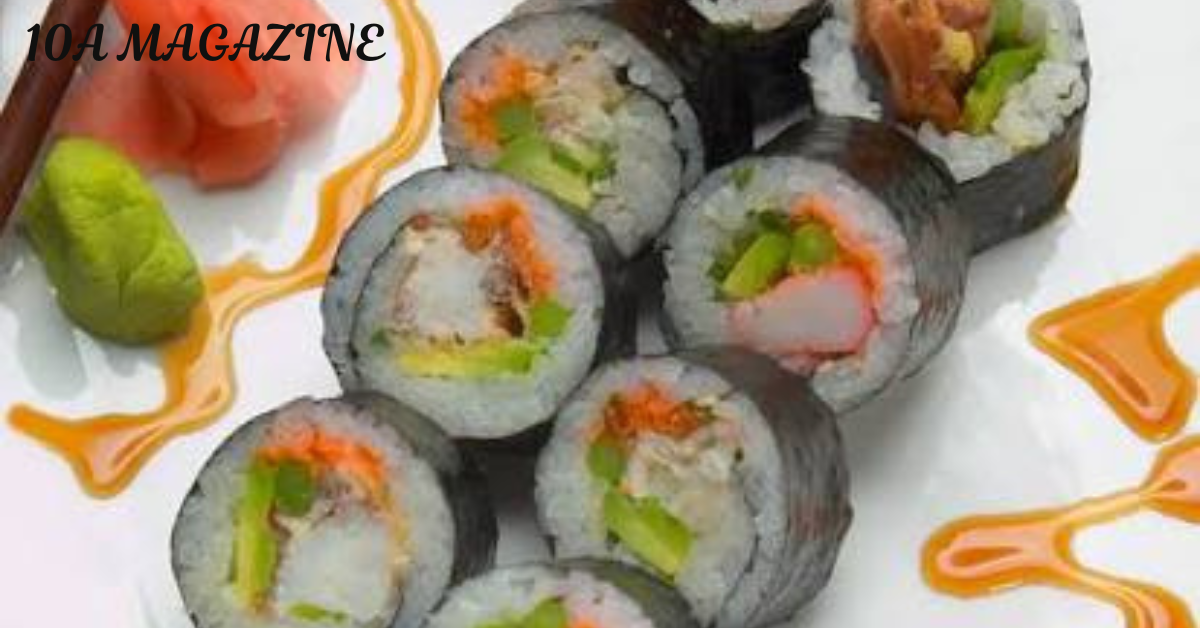
Let’s settle this right away — there are no actual spiders in your sushi. Sorry if that was your hope. Or your fear.
The spider roll sushi gets its name from something much more delicious: the crispy legs of a soft-shell crab that stick out from both ends of the roll, looking just like a spider’s limbs. It’s dramatic. It’s fun. And once you try it, you’ll never judge a sushi roll by its name again.
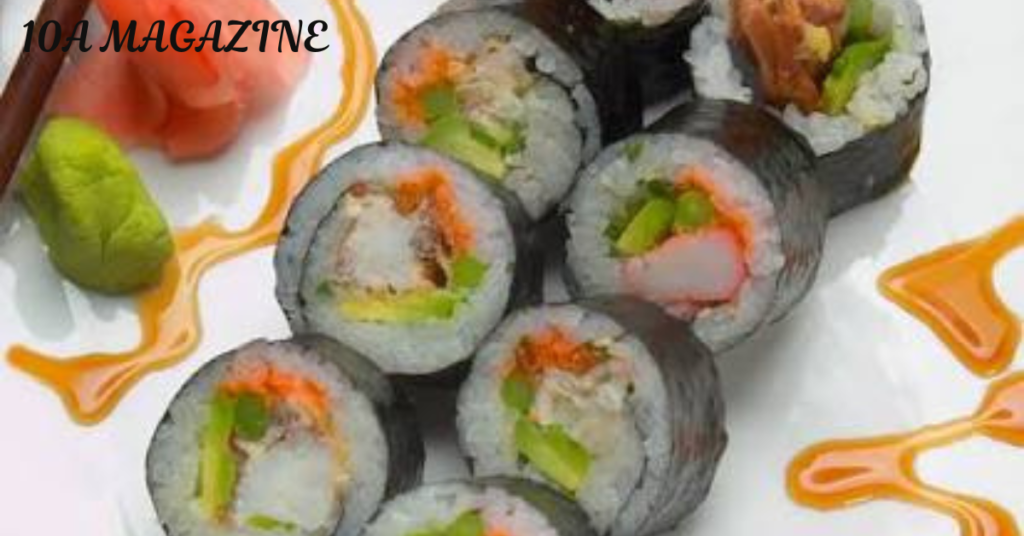
According to Wikipedia, a spider roll is a type of makizushi sushi that includes breaded or battered soft-shell crab and other ingredients such as cucumber, avocado, daikon sprouts or lettuce, and spicy mayonnaise, rolled inside nori and sushi rice.
Simple enough. But behind those few ingredients is a story that spans continents, cultures, and decades of culinary creativity.
The History of Spider Roll Sushi
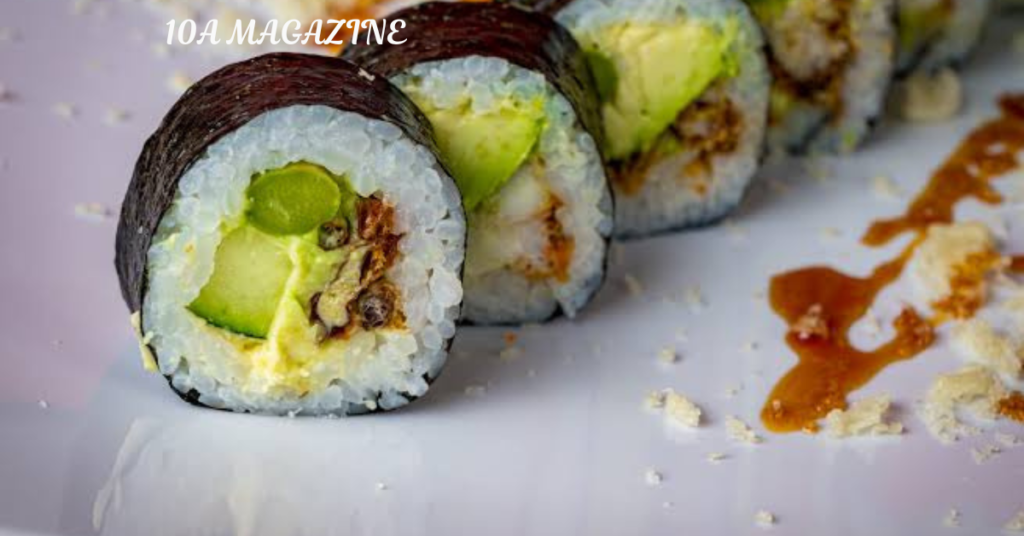
Sushi itself is ancient. The earliest reference of this traditional Japanese dish appears no less than at the beginning of the 8th century, in the year 718. But the spider roll? That’s a much newer invention — and it was born in America, not Japan.
While sushi itself traces its roots back to ancient Southeast Asia before evolving and being embraced by Japanese culture, the birth of the Spider Roll is a relatively recent phenomenon. It emerged as part of the fusion sushi movement in the United States during the late 20th century. As sushi chefs experimented and adapted their offerings to cater to Western palates, they sought ingredients that were both familiar and exciting to their audience.
Its origins can be traced back to the 1960s and 1970s, when Japanese chefs in the United States began experimenting with new ingredients and techniques to cater to Western tastes. The dish gained popularity in the 1980s and 1990s, particularly in California, where it became a staple in many sushi restaurants.
Think of it this way: Japanese chefs arrived in the US, looked at American tastes, and thought — “Let’s give them something crunchy.” The rest is sushi history.
According to TastyFoodLovers, the tempura soft-shell crab was a key ingredient in this creation, providing a crispy and savory element that complemented the creamy avocado and crunchy cucumber. Over time, the Spider Roll gained popularity and spread to other parts of the world, becoming a beloved and iconic sushi dish.
Today, the dish’s name is typically used in North America, and may be rare in other areas of the world. But its fan base? Completely global.
Spider Roll Sushi Ingredients: What’s Actually Inside?
Here’s where it gets interesting. The spider roll is not a one-note dish. Every ingredient plays a specific role in making the whole thing work.
The Star: Soft-Shell Crab
The soft shell crab is unique because it’s harvested at a specific time in the crab’s molting cycle when its shell is soft and edible. This means you’re eating the whole crab — shell and all. No cracking, no mess, no problem.
To prepare the crabs for a sushi roll, they can be dipped into a light tempura batter, dredged in flour, or breaded with flour, eggs and breadcrumbs. After this, the crab can be deep fried or pan fried until it is cooked, crisp on the outside, and soft and moist on the inside.
That contrast — crunchy shell, tender meat — is what makes this roll so satisfying.
The Base: Sushi Rice
Just like any other sushi, the Spider Roll boasts seasoned sushi rice — vinegared rice sprinkled with a hint of sugar and salt. This gives the roll its slightly tangy and sticky base, ensuring all ingredients bind seamlessly.
The Wrap: Nori
Wrapped around the rice or occasionally on the inside, depending on the roll’s style, nori (seaweed) adds a subtle marine flavor and holds the roll together.
The Supporting Cast
The typical ingredients of the roll are soft shell crab, avocado, cucumber, and mayonnaise. Some versions also include daikon sprouts, masago (fish roe), sesame seeds, and eel sauce on top.
Each of these has a job. Avocado brings creaminess. Cucumber adds a cool crunch. Spicy mayo ties the flavors together with a gentle kick. It’s a team effort — and everyone on this team pulls their weight.
How to Make Spider Roll Sushi at Home
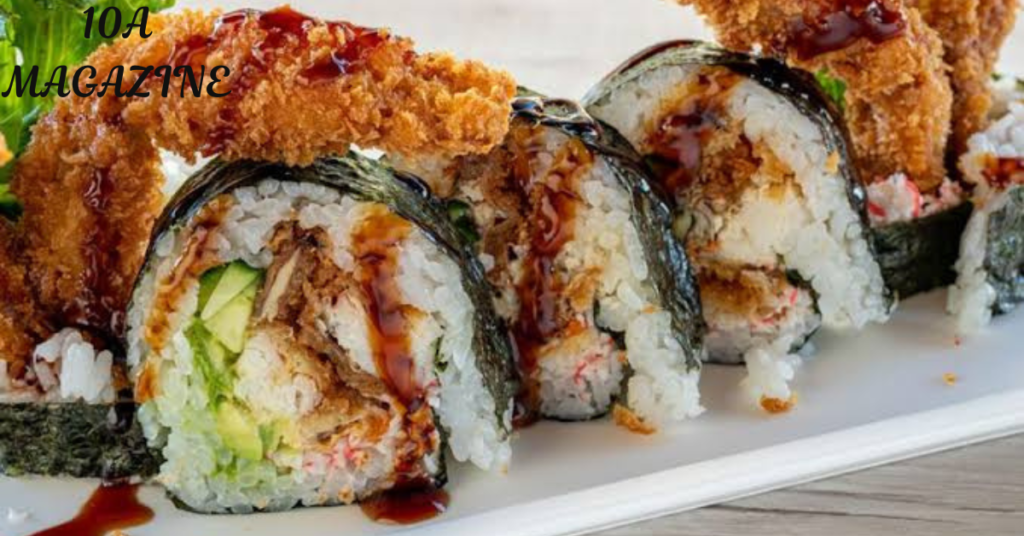
Making spider roll sushi at home is absolutely doable. Yes, even if your last cooking experiment ended with a smoke alarm. Here’s a straightforward breakdown.
According to Secrets of Sushi, this sushi roll is simple to make, beautiful, and delicious to eat. Key ingredients like avocado and crab meat complement the flavors perfectly. You can also top the roll with Eel Sauce, but that’s optional.
What You Need
- 2 soft-shell crabs
- 2 sheets of nori
- 2 cups cooked sushi rice (seasoned with rice vinegar, sugar, salt)
- ½ cucumber, julienned
- ½ avocado, sliced
- Spicy mayonnaise
- Tempura batter or flour for frying
- Sesame seeds or masago (optional)
- Bamboo rolling mat
Step-by-Step Process
Step 1 — Prep and fry the crab. Begin by rinsing the soft shell crab under cold water to remove any impurities. Once rinsed, pat the crab dry thoroughly with a paper towel to eliminate excess moisture, which can cause the oil to splatter during frying. Dip in tempura batter and fry until golden and crispy.
Step 2 — Set up your rolling station. Place your bamboo mat on a flat surface. Lay a sheet of nori on it, shiny side down.
Step 3 — Spread the rice. Cover three-quarters of the nori with a thin, even layer of sushi rice. Be gentle — don’t crush the grains.
Step 4 — Add the fillings. Place the fried crab along the bottom edge of the rice, letting the legs hang over the sides of the nori. Add cucumber and avocado slices next to the crab.
Step 5 — Roll it. Fold the closest nori edge over the filling by pressing firmly. Continue rolling and seal the end.
Step 6 — Slice carefully. Wet your knife between each slice to prevent the rice from sticking. Slice the sushi roll in half first, then from there, slice the half down the middle and keep doing so. This way, each slice is the same size.
Step 7 — Serve. Top with spicy mayo, eel sauce, or both. Garnish with sesame seeds or pickled ginger. Stand back and admire your work.
For a full video walkthrough, Secrets of Sushi offers excellent beginner-friendly instructions from a professional sushi chef who has been teaching since 2008.
Spider Roll Sushi Calories and Nutrition
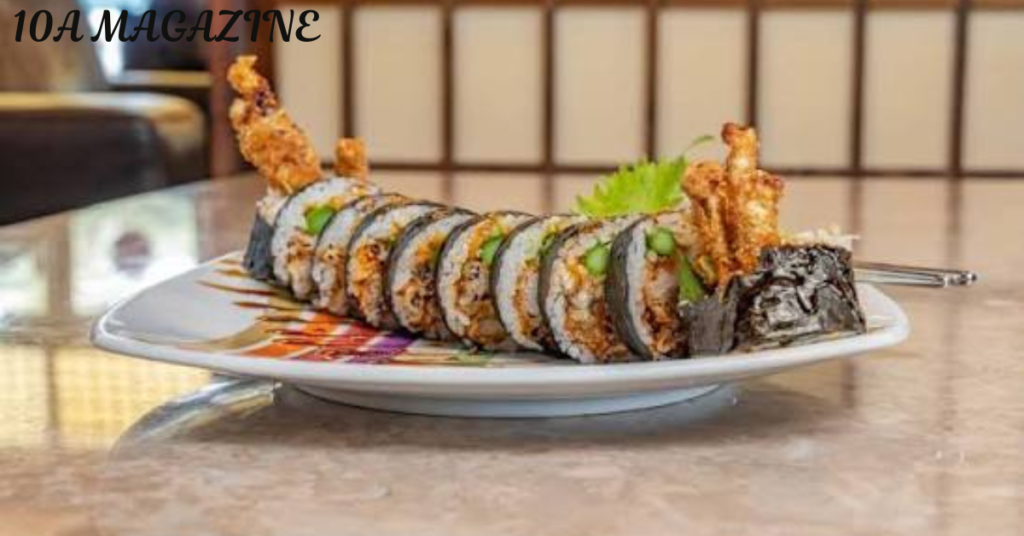
Let’s talk numbers, because knowing what you’re eating is always a good idea — especially before you order three of them.
Spider rolls typically contain between 400 to 500 calories per roll. That’s for a full restaurant-sized roll of about 6–8 pieces.
Spider Rolls can offer health benefits as they contain soft-shell crab, which is rich in omega-3 fatty acids and important minerals like selenium. However, the deep-fried preparation of the crab can add excess fats and calories, so moderation is key.
Here’s a quick breakdown of what you’re getting nutritionally:
The spider roll is rich in protein from the crab, fiber from the vegetables, and carbohydrates from the rice. The seaweed adds essential minerals, such as iodine. Spider rolls provide a balanced combination of macronutrients, along with micronutrients like vitamin A, potassium, and magnesium.
More specifically:
- Protein: Supports muscle repair and growth
- Healthy fats: From avocado — monounsaturated fats that support heart health
- Iodine: From nori, essential for thyroid function
Compared to other sushi rolls, Spider Rolls are higher in calories and fat due to the inclusion of deep-fried soft-shell crab and mayonnaise-based sauces. For a lighter option, rolls made with fresh fish or vegetables, like tuna rolls or cucumber rolls, may be preferable.
So yes — it’s indulgent. But it’s not junk food. Think of it as a treat with actual nutritional substance behind it.
For detailed calorie tracking, Healthline’s sushi calorie guide is a reliable resource reviewed by registered dietitians.
Popular Variations of the Spider Roll
The classic spider roll is great. But chefs being chefs, they couldn’t leave it alone. Here are some popular variations you might come across:
Spicy Spider Roll — For those who like a little heat, the crab can be seasoned with chili flakes or sriracha before frying.
Vegetarian Spider Roll — Once you swap out the soft shell crab, you can add any number of tempura vegetables to the roll with delicious results. A vegan sushi might suggest tempura mushrooms, sweet potato, squash, eggplant, and bell peppers.
Spider Roll with Eel Sauce — A sweet, thick drizzle of unagi (eel) sauce over the top adds another layer of rich, caramelized flavor.
Uramaki Style — The spider roll can also be made in the uramaki sushi style, in which the ingredients in the center are wrapped in the nori, and then the outside of the roll is wrapped in tightly packed sushi rice. The rice is often rolled in sesame seeds for extra texture.
There’s a version for everyone — even the person who insists they “don’t like sushi.”
Spider Roll vs. Other Popular Sushi Rolls
How does the spider roll stack up against its sushi cousins?
While classic rolls often spotlight raw fish like tuna or salmon, the Spider Roll breaks the mold by featuring a deep-fried soft-shell crab as its protagonist. This not only gives it its signature crunch but also a richer, more robust flavor profile.
If you’re new to sushi and nervous about raw fish, the spider roll is genuinely one of the best entry points. Everything is cooked. The flavors are bold but accessible. And the crunchy crab legs poking out make it one of the most visually interesting rolls on any menu.
For comparison:
- California Roll — Imitation crab, cucumber, avocado. Lighter, simpler, beginner-friendly.
- Dragon Roll — Shrimp tempura inside, avocado on top. Creamy and rich.
- Spider Roll — Fried soft-shell crab, crunch-forward, more adventurous than California but still fully cooked.
The spider roll sits in a sweet spot: more exciting than a California roll, less intimidating than a raw tuna maki.
Spider Roll Sushi Calories and Nutrition
A few things worth knowing before you order:
1. Ask about the crab. While the main ingredient for the Spider Roll is crab, most chefs and sushi restaurants actually use imitation crab (made from Surimi). So, flaunt your knowledge and impress team members (and significant others alike) by asking the waiter: “What type of crab do you use?”
2. Check freshness. The best sushi rolls offer the eater consistency and freshness, all in perfect proportion to the rice. If the crab isn’t hot and crispy, it wasn’t made to order — and that’s worth knowing.
3. Go easy on the soy sauce. Soy sauce is high in sodium, and excess sodium intake is linked to high blood pressure and heart disease. Instead of covering your sushi in soy sauce, keep the sauce on the side and lightly dip for some flavor.
4. Pair it right. A spider roll pairs beautifully with miso soup, edamame, or a light salad. Skip the heavy mains alongside it — the roll is already substantial on its own.
Free Copyright-Free Images for This Article
Here are sources for high-quality, free-to-use images of spider roll sushi:
- Unsplash — Search “sushi roll” on Unsplash — Free for commercial and editorial use
- Pexels — Search “sushi” on Pexels — Free with attribution
- Pixabay — Search “spider roll sushi” on Pixabay — Free for commercial use, no attribution required
- Wikimedia Commons — Spider roll image on Wikipedia — Check individual image licenses before use
Reference Links Used in This Article
| Source | URL |
|---|---|
| Wikipedia – Spider Roll | https://en.wikipedia.org/wiki/Spider_roll |
| Mashed – Spider Roll Guide | https://www.mashed.com/598280/spider-roll-what-you-should-know-before-ordering/ |
| Secrets of Sushi – Recipe | https://secretsofsushi.com/spider-roll |
| Healthline – Sushi Calories | https://www.healthline.com/nutrition/sushi-calories |
| SnapCalorie – Spider Roll Nutrition | https://www.snapcalorie.com/nutrition/spider_roll_nutrition.html |
| TastyFoodLovers – Spider Roll History | https://tastyfoodlovers.com/who-invented-the-spider-roll/ |
| Kiichin – Spider Roll Guide | https://kiichin.com/blogs/news/spider-roll |
| FitHealthSpot – Spider Roll Guide | https://fithealthspot.com/spider-roll-sushi-guide/ |
| SauceAndBites – Spider Roll Ingredients | https://sauceandbites.com/what-is-inside-a-spider-roll/ |
Final Thoughts: Is the Spider Roll Worth It?
Absolutely. The spider roll sushi isn’t just a meal — it’s a statement. It says you’re someone who appreciates great texture, balanced flavor, and a little bit of drama on the plate.
In the vast realm of sushi, many rolls have their stories. Still, the Spider Roll’s journey from a fusion experiment to a globally loved delicacy is a testament to culinary innovation and the universal love for great food.
Whether you’re ordering it at a restaurant for the first time or rolling one up at home on a Saturday night, the spider roll delivers. Every. Single. Time.
Give it a try. And if someone at the table looks nervous when they see the crab legs sticking out — just tell them the spiders are friendly.