


Let’s start at the beginning — because yes, this bun has a beginning worth talking about.
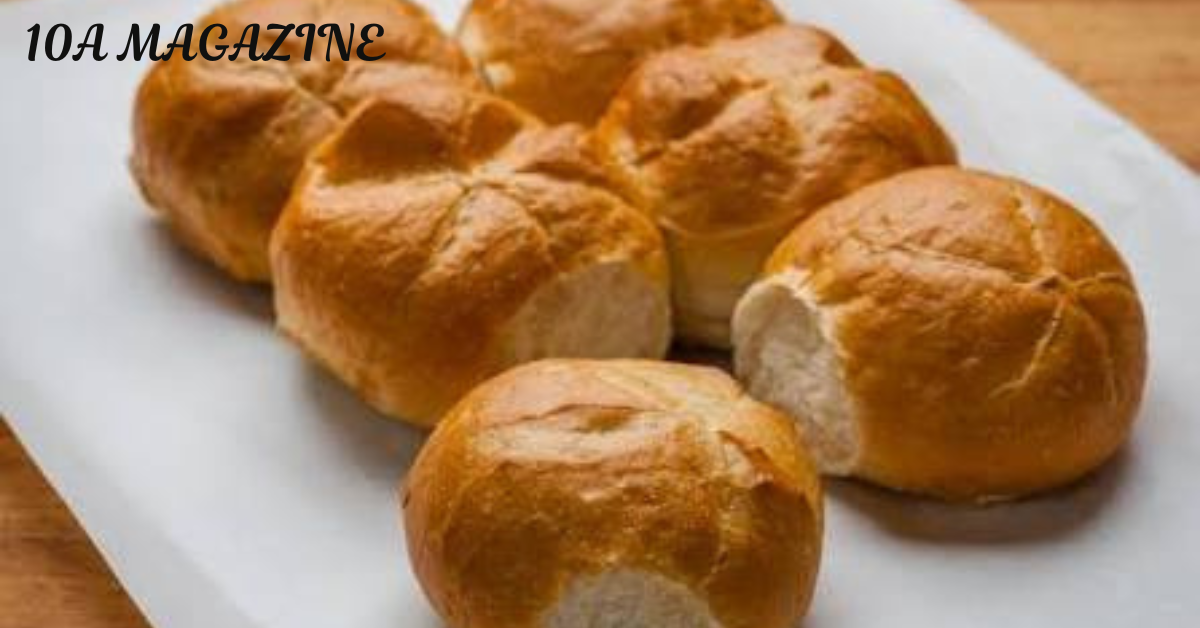
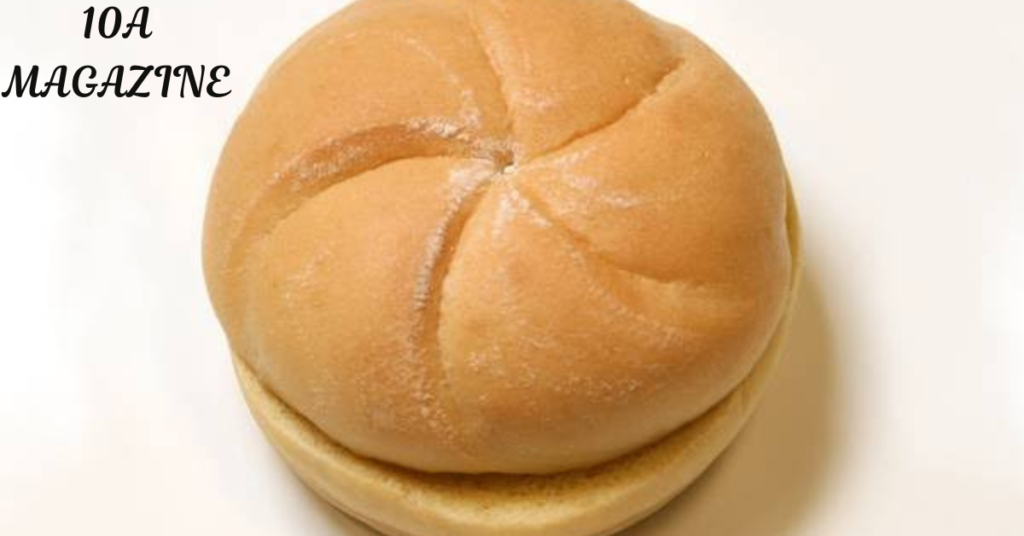
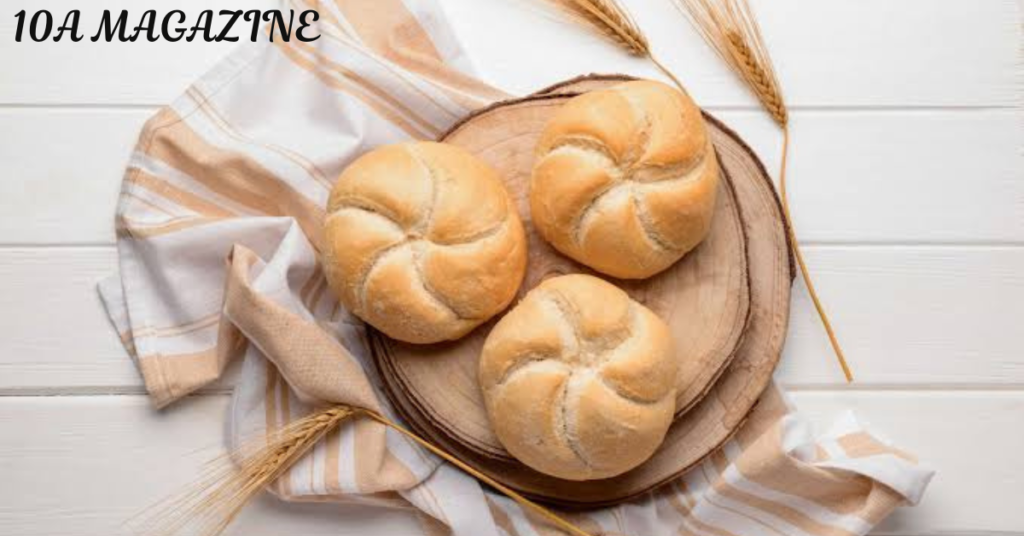
A kaiser bun (also called a kaiser roll, Vienna roll, or by its proper German name, Kaisersemmel) is a round, crusty bread roll originally from Austria. What makes it stand out is the iconic five-pointed star pattern pressed or folded into its top — shaped to look like a crown.
And no, that crown isn’t just for show.
According to Wikipedia’s entry on Kaiser rolls, the kaiser roll is made from white flour, yeast, malt, water, and salt, with the top side divided in a symmetric pattern of five segments, separated by curved superficial cuts radiating from the centre outward or folded in a series of overlapping lobes resembling a crown.
Think of it as bread that dressed up for the occasion — and never took the costume off.
A History Fit for an Emperor
Here’s where things get genuinely interesting.
Kaiser rolls have roots in Austria and have a basic recipe that typically calls for flour, yeast, salt, sugar, and butter, plus sesame seeds or poppy seeds for extra flavor and crunch.
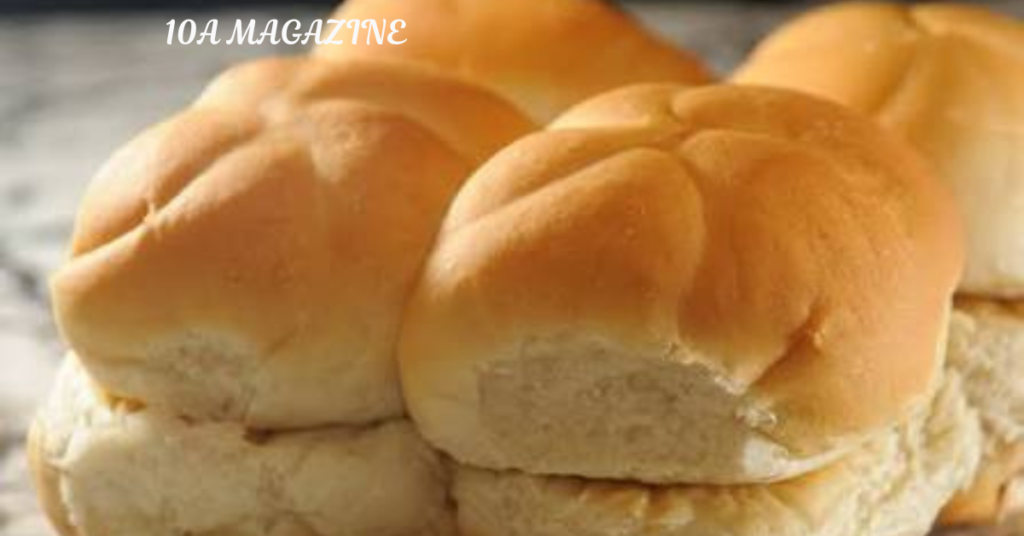
Kaiser rolls have been around for a long time, looking pretty much the same since at least 1760. You can even find them depicted in paintings from Austrian court banquets of that era — which is more than most breads can say.
The name itself carries serious historical weight. Kaiser is the German word for “Emperor,” and has been in use since the days of the Holy Roman Empire, back when years only had three digits. It’s derived from the imperial Roman title “Caesar,” taken from the cognomen of Julius Caesar.
So every time you bite into a kaiser bun, you’re technically eating bread named after Julius Caesar. Let that sink in.
The buns are believed to have been named after Kaiser Franz Joseph I (1830–1916), who reportedly enjoyed feasting on them in the morning with some tea and cold meat.
But the true origin story has a practical twist. Back in the 1700s, there was a law in the old Austrian Empire that set the prices for bread rolls. But in 1789, bakers asked Emperor Joseph II to let them set their own prices. After this, the name Kaisersemmel became very popular. It helped these special rolls stand out from your everyday common roll.
There’s even a legend that credits a Viennese baker named Kayser with inventing the roll around 1750. He is credited with recognizing that the flavor comes primarily from the crust and that the indentations in the roll increase the crust surface and therefore the flavor. Smart man. Very crusty genius.
The Signature Crown: What Makes It Look That Way?
That distinctive star shape on top isn’t just aesthetic — it actually serves a purpose.
The five-part folded or stamped pattern increases the surface area of the crust. More crust means more of that satisfying crunch. More crunch means a better bun. It’s bread physics, and it works.
One of the characteristics that sets a kaiser bun apart from other rolls is the segmented, star-shaped pattern that makes the top of the roll look like a crown. It is this royal appearance that led to the adoption of the name “kaiser.”
Today, commercial bakers often use a kaiser roll stamp to press the pattern in quickly and consistently. Home bakers can fold the dough by hand, which takes more effort but gives a result that — honestly — looks even better.
How the Kaiser Bun Spread Across the World
The kaiser bun didn’t stay in Vienna. It followed the reach of the Austrian Habsburg Empire.
They are traditionally found in Austria, but have also become popular in other countries of the former Austrian Habsburg Empire, such as Poland (where it is known as kajzerka), Croatia, Slovenia, Serbia, Hungary, the Czech Republic, and Slovakia, as well as in Germany, the United States, and Canada.
In the US, it took on a local name. In much of eastern New York State — New York City, Long Island, the Hudson and Mohawk Valleys, and the Adirondacks — and throughout New Jersey, Pennsylvania, Maryland, Delaware, and Connecticut, kaiser rolls are known as “hard rolls” and are staples of delicatessen and convenience stores.
Bakers in the U.S. began to make versions with a more crispy exterior, often dusted with cornmeal. Its new name “hard roll” likely emerged during the First World War to cut German affiliations. People never missed an opportunity to rename their bread for political reasons.
Even in Italy, the roll got a makeover. During Austrian rule in Lombardy, Italian bakers produced a hollow version known as michetta or rosetta.
What Does a Kaiser Bun Taste Like?
Picture a bun with a genuinely crispy, golden crust — not the fake crispy that goes soft by the time you sit down — and a soft, slightly chewy interior.
Kaiser buns are created using a unique baking process known as sweet fermentation. Developed by Austrian bakers, sweet fermentation relies on high-quality flour and yeast, but the process requires that no old dough be used. By perfecting the sweet fermentation process, Austrian bakers introduced a roll into Viennese society that did not have the acidic taste found in other breads of the time.
The result? A mildly nutty, slightly yeasty flavour with a pleasant crunch. It holds up under heavy fillings without falling apart — which is exactly what you want from a bun when your sandwich is doing serious work.
Kaiser Bun Uses: More Versatile Than You’d Think
This is where the kaiser bun really earns its reputation.
As a Sandwich Bun
The Kaiser roll is a main part of a typical Austrian breakfast, usually served with butter and jam. It is often used as a bun for popular sandwiches such as hamburgers in America, and with a slice of Leberkäse in Germany and Austria.
In North America, it has become the go-to base for gourmet sandwiches, deli classics, and some iconic regional specialities.
The Famous Beef on Weck Sandwich
One of the kaiser bun’s greatest achievements in America is the Beef on Weck sandwich from Buffalo, New York. The famous Beef on Weck sandwich makes its home in Western New York State. This sandwich features a kaiser roll, beef, and horseradish. The roll is topped with kosher salt and caraway seeds, giving it its distinctive “weck” identity.
As a Breakfast Roll
In Austria, the kaiser bun remains a morning staple. Often, families and restaurants serve the kaiser roll with butter and jam as part of an Austrian breakfast. Simple, satisfying, and very European.
With Soup and Salads
Its sturdy crust makes it perfect for dipping into hearty soups without going soggy in seconds. Nobody likes a soggy bun. Nobody.
Kaiser Bun Nutrition: What You’re Actually Eating
Let’s be honest — no one’s eating a kaiser bun because they’re counting macros. But the numbers aren’t bad.
According to nutrition data from Eat This Much, 2 oz of a kaiser bun contains 167 calories, with a macronutrient breakdown of 74% carbs, 11% fat, and 15% protein.
A standard single roll also provides around 6g of protein and 30g of carbohydrates — making it a reasonable vehicle for a filling, balanced meal when paired with quality proteins and fresh vegetables.
Whole grain versions are also available. Whole grain kaiser buns must be whole grain rich and provide 2.5 ounce grain equivalents, with no more than 1.5 grams of fat and less than 280 milligrams of sodium.
Kaiser Bun vs. Regular Hamburger Bun: What’s the Difference?
Good question. The short answer: the kaiser bun wins.
A standard hamburger bun is soft all the way through — great for fast food, but it can get soggy fast under sauces and juicy fillings. A kaiser bun brings a crusty exterior that holds structure, adds texture, and complements bold flavours rather than just absorbing them.
Kaiser rolls are ideal for sopping up a variety of fillings, paired with a soft texture that’s easy to bite into. This makes them a great vessel for meat-based sandwiches such as Baltimore’s Pit Beef and Buffalo’s Beef on Weck.
If your sandwich filling has personality, your bun should too.
Common Toppings on a Kaiser Bun
The classic kaiser bun comes plain. But variations are everywhere.
While traditionally plain, kaiser-style rolls are today found topped with poppy seeds, sesame seeds, pumpkin seeds, flax, or sunflower seeds.
Each topping adds its own dimension — sesame seeds give a nutty warmth, poppy seeds add a mild bitterness, and pumpkin seeds bring a satisfying crunch that takes the whole thing up a notch.
How Long Does a Kaiser Bun Stay Fresh?
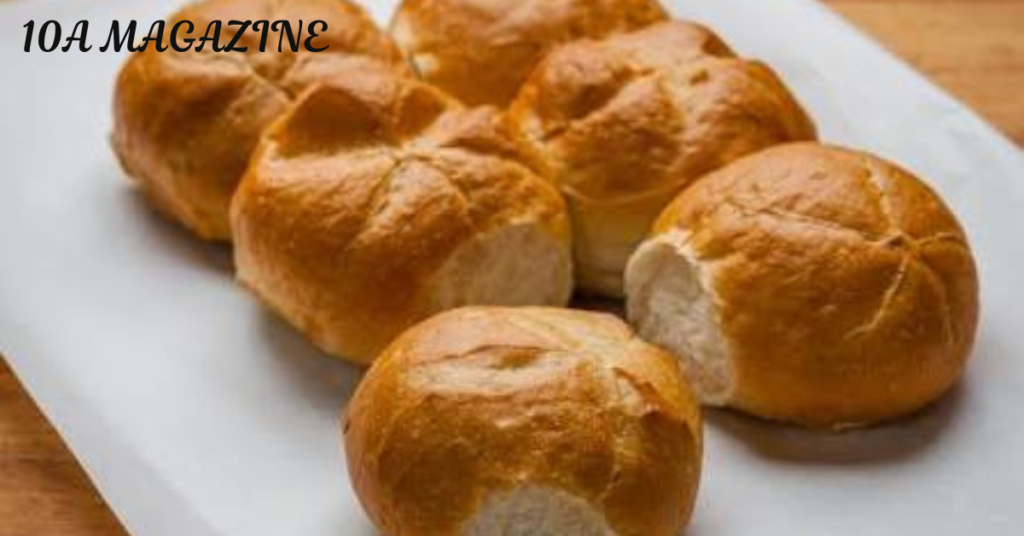
Kaiser buns are best eaten the day they’re baked. That crust you love will soften after about a day at room temperature.
The good news? When frozen, kaiser buns can remain fresh for up to three months. So if your local bakery has them fresh, grab a batch and freeze what you don’t use immediately. Future-you will be very grateful.
Where to Find (and Buy) the Best Kaiser Buns
You’ll find kaiser buns at most grocery store bakery sections, deli counters, and specialty bread shops.
For reference, Tasting Table notes that both kaiser and hard rolls are available for sale at large grocery bakeries as well as boutique operations.
If you’re feeling ambitious, making them at home is absolutely achievable. The process involves a simple dough, an overnight rest, and either a kaiser roll stamp or some careful hand-folding. Check out the detailed home baking guide at All Tastes German for a reliable recipe.
Free Copyright-Free Images of Kaiser Buns
Here are sources for high-quality, free-to-use images you can include in your article or website:
- Unsplash — Search “kaiser roll” or “bread roll”: unsplash.com
- Pexels — Search “kaiser bun”: pexels.com/search/kaiser%20roll
- Pixabay — Public domain bread roll images: pixabay.com/images/search/kaiser-roll
- Wikimedia Commons — Historical and factual images under Creative Commons: commons.wikimedia.org/wiki/Category:Kaiser_rolls
All four platforms offer royalty-free images safe to use for commercial and editorial publishing.
Trusted Sources & References
The following sources were used to build this article. All are credible and worth bookmarking if you want to dig deeper:
- Wikipedia — Kaiser Roll — Comprehensive historical and regional overview
- Mashed — How Kaiser Rolls Got Their Name — Accessible history with cultural context
- Pocket Change Gourmet — Kaiser Roll as a Royal Food — Detailed history including the Beef on Weck connection
- Tasting Table — Kaiser Rolls vs. Hard Rolls — Clear comparison of the two varieties
- All Tastes German — Kaiser Roll Recipe — Practical baking guide with historical notes
- Eat This Much — Kaiser Bun Nutrition — Macro and calorie breakdown
Final Thoughts: The Kaiser Bun Deserves More Respect
The kaiser bun isn’t just a bread roll. It’s a piece of culinary history that survived empires, crossed oceans, and somehow ended up holding your pulled pork sandwich together on a Tuesday afternoon.
It has a star-shaped crown on top because it literally earned its royalty status — endorsed by emperors, protected by law, and beloved by bakers across three continents for over 260 years.
If you haven’t paid much attention to your bun choice before, consider this your sign to start. A great sandwich starts with great bread. And great bread, more often than not, has a crown on it.