


The Spanish Fashion Brand Everyone’s Talking About
Spain gave the world flamenco, tapas, and a strange addiction to eating dinner at 10 PM. It also gave us Bimba y Lola, a fashion brand that turned two dog names into a global label worth talking about.
If you’ve scrolled past its bold prints and quirky bags on Instagram and wondered what the fuss is about, you’re in the right place. Let’s break it down, no fluff, just facts.
Who Founded Bimba y Lola?
Bimba y Lola was born in 2005, started by sisters María and Uxía Domínguez. Fashion runs deep in their blood. Their uncle is Adolfo Domínguez, one of Spain’s most respected designers. Their father, Jesús Domínguez, helped build the STL Group, a textile business behind brands like Purificación García (Andema).
So no, this wasn’t a lucky guess. The sisters grew up around fabric samples and fashion talk at the dinner table. They turned that upbringing into a brand with real staying power.
The Story Behind the Name
Here’s the fun part. Bimba and Lola aren’t ancient muses or Spanish poets. They’re dogs. Specifically, the pet dogs of one of the founders (Spain Life Exclusive).
Somehow, “named after the dog” became a global fashion story. It’s a good reminder that great branding doesn’t need a complicated backstory. Sometimes it just needs to sound good and feel personal.
Brand Philosophy and Design Identity
Bimba y Lola describes itself as a creative collective, a group of people who use fashion to express art and culture. The brand’s own tagline captures it well: “deeply fresh, seriously playful” (Bimba y Lola official site).
That mix shows up in the clothes. Bright colors. Unexpected prints. Silhouettes that feel current without chasing every micro-trend. The brand has an irreverent, slightly rebellious edge, and that personality is exactly why so many women pick it to stand out rather than blend in.
Product Range: What Does Bimba y Lola Sell?
The brand isn’t a one-trick pony. Its catalog covers:
- Women’s ready-to-wear clothing
- Handbags and crossbody bags
- Shoes and boots
- Jewelry
- Scarves and accessories
- Sunglasses
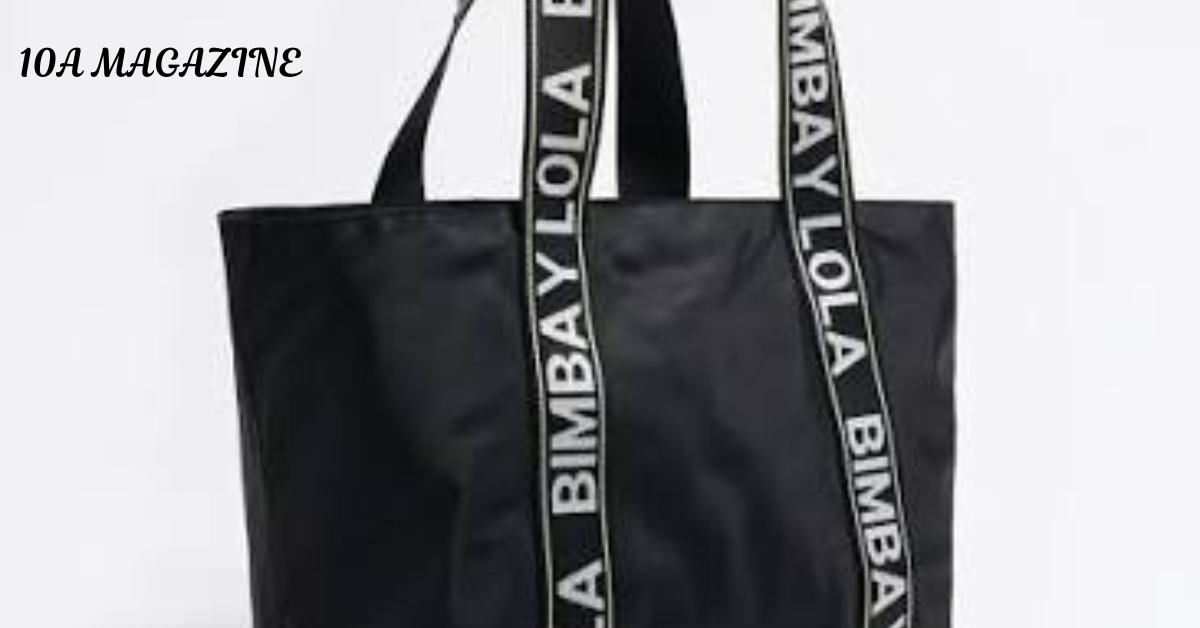
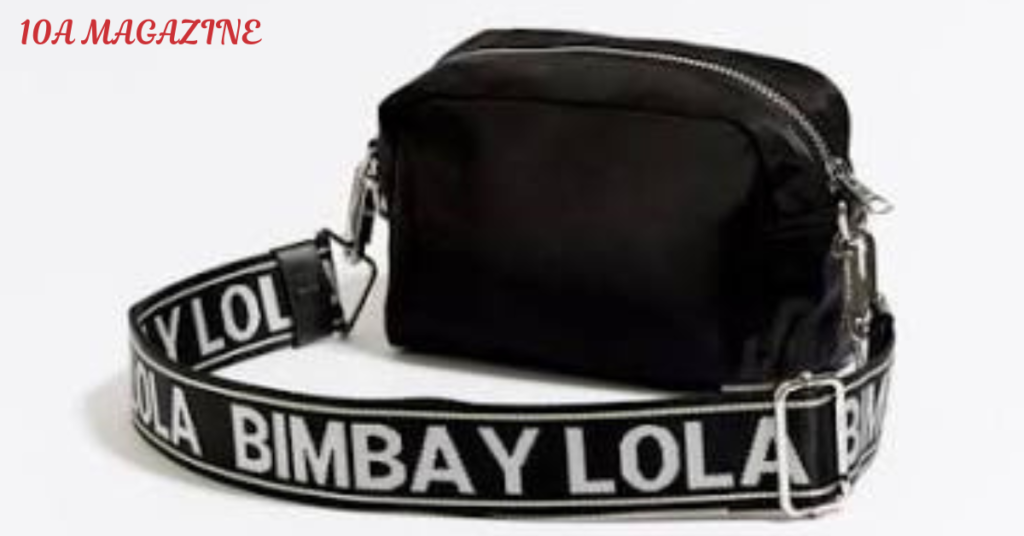
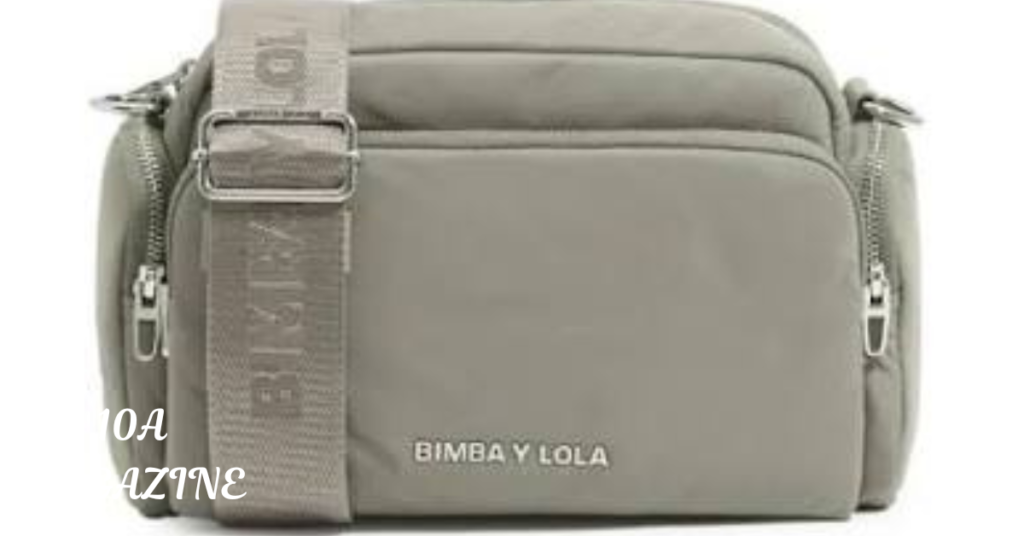
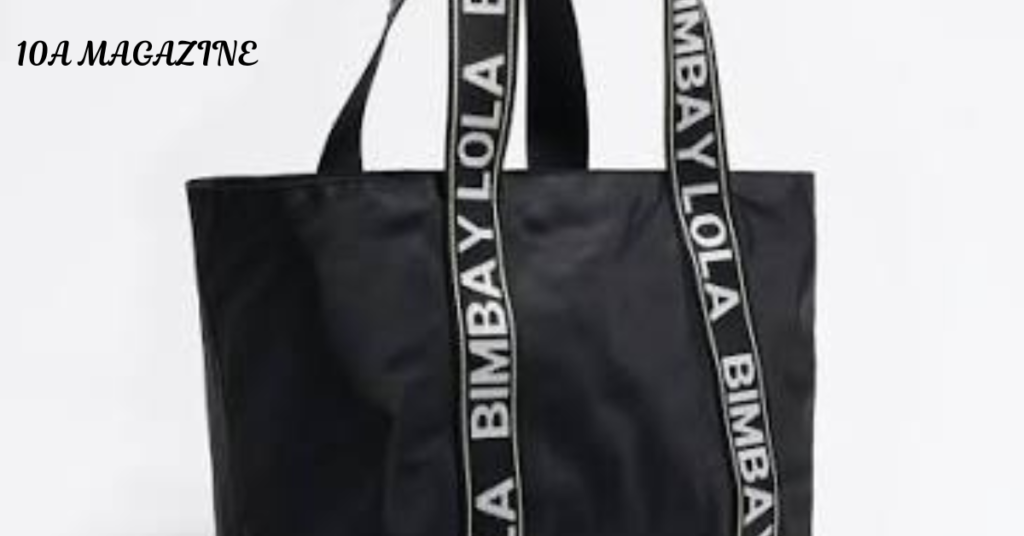
Handbags remain the brand’s calling card. They mix practical design with an artistic touch, which is probably why fashion resale platforms like Vestiaire Collective carry a healthy secondhand market for them (Vestiaire Collective).
Global Expansion: From Vigo to the World
Bimba y Lola opened its first store in Bilbao in 2006, just a year after launch. Growth stayed steady, then accelerated fast.
By 2013, international expansion picked up real speed. Today, the brand operates in around 18 countries, with more than 200 stores worldwide, including a flagship presence on Regent Street in London (LinkedIn).
Financially, the numbers back up the buzz. Bimba y Lola reported 234 million euros in revenue in its most recent fiscal year, a 3% increase from the year before (Tracxn). Not bad for a company named after a couple of dogs.
Bimba y Lola vs Zara and Mango: How It Stands Out
Spain’s fashion scene is dominated by giants like Zara, Mango, and Massimo Dutti. Bimba y Lola competes in the same country but plays a different game.
Where Zara chases fast-fashion speed, Bimba y Lola leans into artistic identity and slower, design-led drops. It positions itself as accessible luxury: quality materials and standout design, priced below true luxury houses but above typical high-street brands.
Think of it this way: Zara is the reliable friend who always has something new. Bimba y Lola is the friend who shows up in something nobody else owns, and somehow makes it look effortless.
Art Collaborations and Creative Partnerships
Fashion and art collide often at Bimba y Lola. The brand has worked with digital artist Hey Reilly, who blended its designs into reinterpretations of classic artworks, later shared across social media (Vestiaire Collective).
More recently, the label partnered with designer Palomo Spain on the “Bimba y Palomo” capsule collection and worked with illustrator Lorena Prain on a project inspired by fanzines and underground comics (LinkedIn).
These collaborations aren’t just marketing stunts. They reflect the brand’s genuine roots in contemporary art, something the founders have leaned into since day one.
Is Bimba y Lola Affordable or Luxury?
Neither, exactly. The brand sits in the middle, often called “accessible luxury” or “semi-luxury.” The founders themselves have described this positioning directly, noting that more people want quality fashion and are willing to pay a fair price for it.
Translation: you’ll pay more than fast fashion, but nowhere close to Chanel or Gucci prices. It’s the sweet spot for someone who wants standout design without remortgaging their apartment.
Sustainability and Business Growth
Bimba y Lola isn’t the loudest brand in the sustainability conversation, but it has continued expanding its retail footprint responsibly, focusing on direct-to-consumer sales through its own stores and online shop rather than over-relying on third-party retailers (Tracxn).
The company also announced plans to launch its own fragrance line, a natural next step for a brand that has already built strong identity in bags, clothing, and accessories.
Where to Shop and Follow Bimba y Lola
Want the latest collections and behind-the-scenes looks? The brand’s official Instagram account is active and visually rich:
For shopping, the official online store ships to a long list of countries across Europe, the Americas, Asia, and beyond:
Frequently Asked Questions
Who owns Bimba y Lola? Sisters María and Uxía Domínguez founded and lead the brand. Their family has deep roots in Spain’s textile industry through the STL Group.
Where is Bimba y Lola headquartered? The brand is based in the Vigo/Mos area of Galicia, Spain.
Is Bimba y Lola a luxury brand? It’s positioned as accessible or “semi-luxury,” priced above fast fashion but below designer luxury houses.
How many stores does Bimba y Lola have? The brand operates over 200 stores across roughly 18 countries.
Final Thoughts
Bimba y Lola proves that a strong creative vision, backed by real fashion expertise, can build something lasting. What started as a small Bilbao store in 2006 is now a recognized name across Europe, the Americas, and beyond.
Whether you’re drawn to its bold prints, its handbags, or simply the fact that it’s named after two dogs, one thing is clear: Bimba y Lola earned its spot in Spain’s fashion story on its own terms.