


Paris Hilton 2000s: How One Woman Defined an Entire Decade
Before Instagram. Before TikTok. Before the word “influencer” existed in anyone’s vocabulary there was Paris Hilton.
In the Paris Hilton 2000s era, she did not just appear in pop culture. She was pop culture. She was on every magazine cover, every red carpet, every tabloid front page, and eventually every television screen in America. She invented a style of fame that the entire entertainment industry still copies today.
And most people, even now, massively underestimate how deliberate it all was.
Who Is Paris Hilton? A Quick Background
Paris Whitney Hilton was born on February 17, 1981, in New York City. She is the eldest child of Richard Hilton, a hotel mogul, and Kathy Hilton, a former actress. As the great-granddaughter of Conrad Hilton, the founder of Hilton Hotels, Paris grew up in a world of privilege.
Growing up wealthy, however, does not automatically make you a cultural icon. Plenty of heiresses have come and gone without leaving a single footprint on pop culture. Paris Hilton did something different. She took her privileged background and turned it into a global brand entirely on her own terms.
Hilton was christened “New York’s leading It Girl” in 2001, after appearing in a Vanity Fair spread shot by photographer David LaChapelle and signing with Donald Trump’s modeling agency, T Management. She then worked with Ford Models Management and appeared in campaigns for Christian Dior and Tommy Hilfiger.
That was just the warm-up.
The Simple Life: The Show That Started Everything
If you want to understand Paris Hilton in the 2000s, you have to start with The Simple Life.
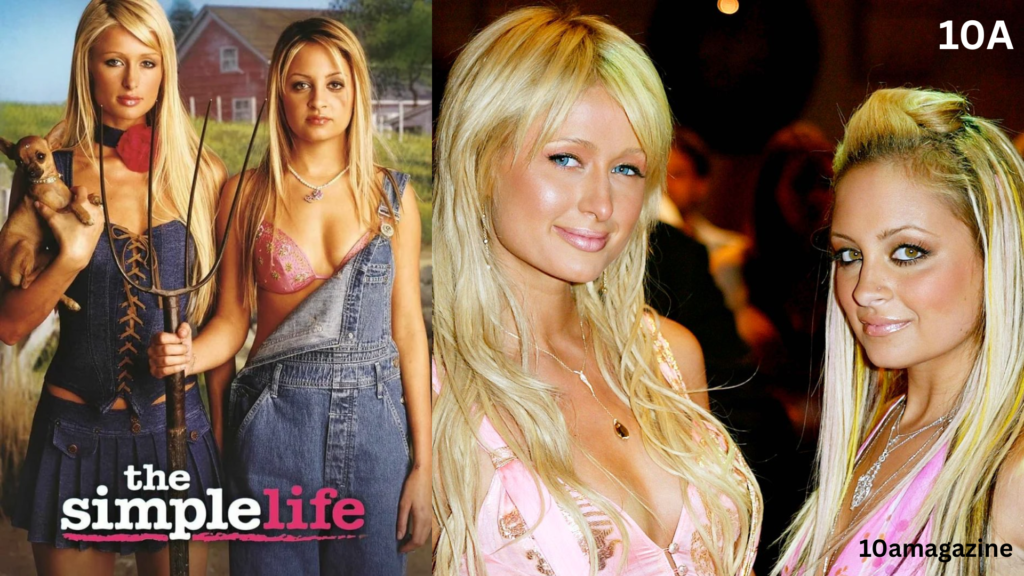
The Simple Life, a reality television show starring Paris Hilton and her friend Nicole Richie, premiered on December 2, 2003. The show featured the two socialites adjusting to a simpler lifestyle by living and working in rural America.
The premise was brilliant in its simplicity. Take two ultra-wealthy socialites. Drop them on a farm in Arkansas. Watch chaos happen.
The show, which pitted the duo against blue-collar jobs from camp counseling to fast-food flipping, drew 13 million viewers per episode and made Hilton America’s sweetheart anti-heroine.
Think about that number for a second. Thirteen million viewers per episode for a show about a socialite struggling to milk a cow. That is not just ratings. That is a cultural event.
That attention led to The Simple Life in 2003, where her “ditzy blonde heiress” persona and catchphrases like “That’s hot” cemented her place in pop culture. What appeared to be chaos was, in reality, carefully curated visibility. She understood that attention was currency long before Instagram or TikTok existed.
“That’s hot.” Two words. Entirely meaningless on paper. Completely unforgettable in delivery. Paris Hilton turned a throwaway phrase into a cultural trademark and she did it without a single tweet.
Paris Hilton’s 2000s Fashion: She Dressed the Decade
You cannot talk about Paris Hilton in the 2000s without talking about fashion. Because she did not just follow trends she created them.
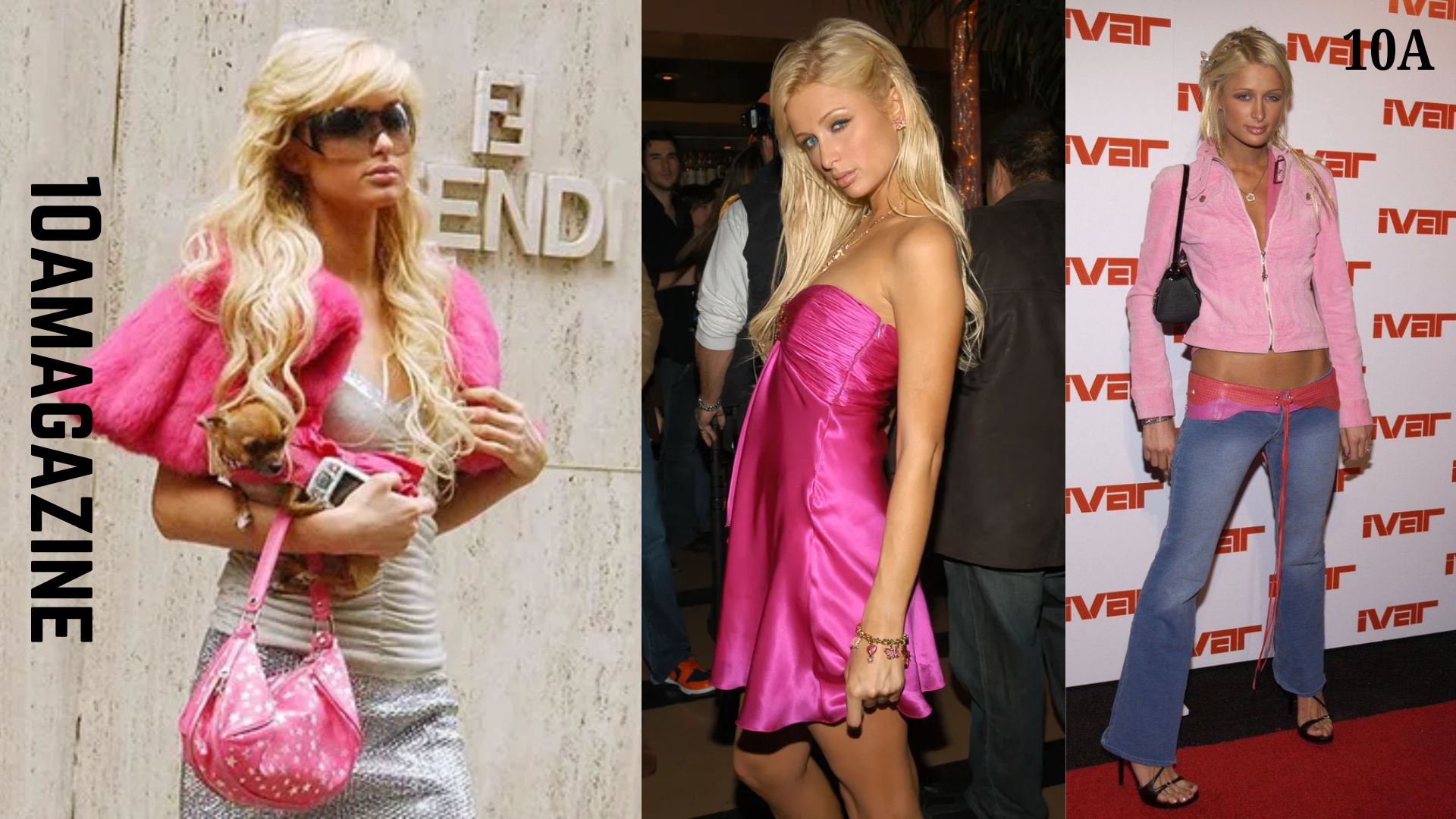
No celebrity embodied the ’00s era of style more than Paris Hilton. Track suits, platforms, low-rise jeans, crop tops, tinted aviators, personalized necklaces, and other trends from the 2000s are all popular these days. The hotel heiress’ unique personal style was what set the decade apart.
Her wardrobe was a rotating exhibition of Y2K maximalism. Juicy Couture tracksuits in bubblegum pink. Rhinestone chokers. Von Dutch trucker hats. Micro-mini skirts. Statement tees with bold, eyebrow-raising phrases. Oversized designer sunglasses. A tiny dog in a Chanel bag, obviously.
Kendall Jenner, in fact, recreated Hilton’s 21st birthday outfit for her own celebration a few years back. And who can forget Hilton’s very miniature mini skirts and iconic statement t-shirts bearing bold phrases. Thanks to her, there was never a dull moment on a 2000s red carpet or front row.
When a next-generation supermodel recreates your birthday look as a tribute you have officially achieved icon status.
She inspired countless trends that could be seen on the streets of America, from the iconic “Paris Hilton look” to the rise of the “bling” aesthetic, characterized by oversized jewelry, designer bags, and shiny accessories.
The “bling” aesthetic did not happen by accident. Paris Hilton engineered it, wore it daily, and let the paparazzi do the rest of the work.
The Business Mind Behind the Blonde Hair
Here is the part of the Paris Hilton 2000s story that most people get wrong.
Everyone saw the parties, the pink tracksuits, and the catchphrases. Very few people noticed that she was quietly building one of the most successful celebrity business empires in history.
Since launching her first perfume in 2004, she has released 17 fragrances that have collectively generated over $2 billion in gross revenue. She is believed to receive a royalty of 20 to 30% of profits, making perfumes the single biggest contributor to her personal fortune.
Her fragrance line is the second most successful celebrity perfume line in history behind only Elizabeth Taylor (Parade). That is not a lucky accident. That is decades of consistent brand management and smart licensing.
Her name is attached to more than 45 branded stores worldwide, selling everything from clothing and handbags to skincare and footwear.
Paris strategically used her celebrity status to launch a diverse range of business ventures. From fragrances to fashion lines, Paris built a conglomerate of 19 product lines that capitalized on her personal brand.
Today, Paris Hilton has a net worth of $400 million. She built that from a reality TV show, a perfume bottle, and an understanding of personal branding that most MBA graduates still cannot fully explain.
The Resilience Nobody Talks About
The Paris Hilton 2000s era was not all pink and sparkle. There were real challenges and the way she handled them reveals far more about her character than any red carpet moment.
In November 2003, an unauthorized intimate video featuring Hilton was leaked online. Rick Salomon subsequently took it upon himself to market and distribute the footage, titled “1 Night in Paris,” generating millions in revenue while Hilton pursued legal action. The lawsuit was ultimately resolved out of court.
Most careers would have ended there. Hers did not.
The premiere of The Simple Life delivered twelve million viewers one month after the tape went public. She understood something critical: the attention was already paid. The only question was who would collect it.
She collected it. Every single bit of it.
There is a version of Paris Hilton that the early 2000s manufactured pink, performative, decorative. And there is the person underneath it who was running spreadsheets while everyone else was writing the punchline.
That is not someone who got lucky. That is someone who outworked the narrative written about her.
Paris Hilton and the Birth of the Modern Influencer
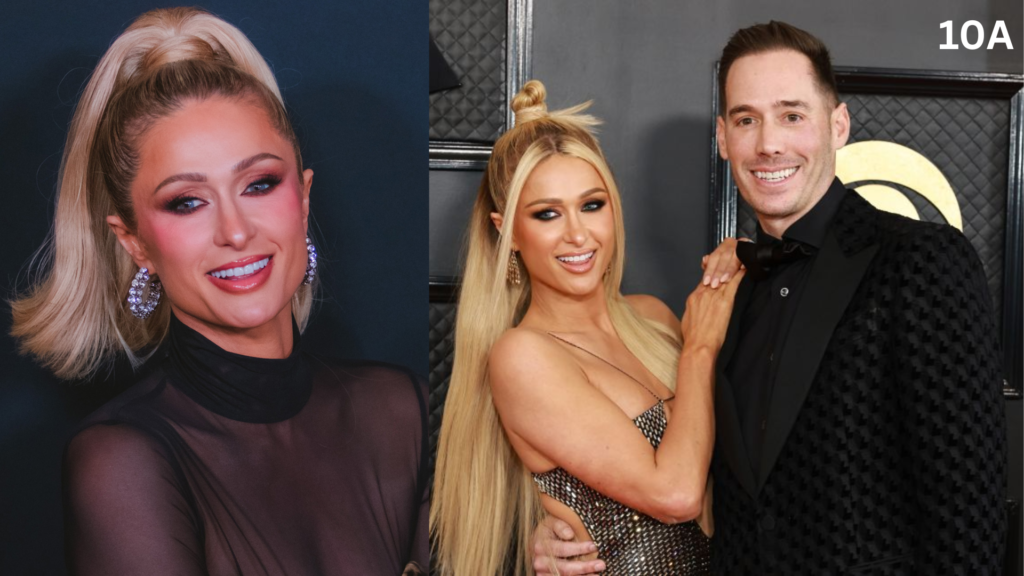
This is perhaps the most important legacy of Paris Hilton’s 2000s era and the one that gets discussed the least.
She wasn’t just another heiress or a short-lived reality TV star of the 2000s. Paris Hilton completely changed the landscape of pop culture, fashion, and what it means to be a trendsetter. At a time when social media didn’t exist and the word “influencer” wasn’t in anyone’s vocabulary, Paris was already thinking strategically about fame.
Think about what every major influencer does today. They build a personal brand. They make their lifestyle aspirational. They launch product lines off the back of their audience’s attention. They keep themselves visible across multiple platforms and formats.
Paris Hilton invented that playbook in 2003 with no Instagram, no YouTube, and no TikTok. She did it with paparazzi photos, a Fox reality show, and a perfume bottle.
Her influence on fashion, celebrity culture, and the media cannot be overstated, and her legacy continues to shape the entertainment industry today.
Kim Kardashian, Kylie Jenner, and essentially every celebrity entrepreneur who has built a brand off their personal fame owes at least a small acknowledgment to what Paris Hilton figured out first.
The Y2K Revival: Why the 2000s Paris Hilton Aesthetic Came Back
Fashion is cyclical. The 2020s proved it beyond any doubt.
From Britney Spears’s recent viral memoir to Lindsay Lohan’s welcome return to acting, there’s a sense of newfound appreciation for the icons of decades past. Paris Hilton and Nicole Richie announced they would soon be hitting our screens once again with a new reality series.
The Y2K aesthetic low-rise jeans, rhinestones, velour tracksuits, tinted lenses exploded back onto runways and social media feeds in the early 2020s. And at the center of every mood board? Paris Hilton’s 2000s wardrobe.
Low-rise bottoms have been undeniably one of the most contentious and well-known Y2K trends to return. The look, whether liked or despised, was a signature of Hilton’s in the early 2000s.
She did not chase the revival. The revival came to her. That is what happens when you genuinely define an era rather than just exist within it.
Quick Facts: Paris Hilton in the 2000s
| Detail | Fact |
|---|---|
| Born | February 17, 1981, New York City |
| The Simple Life premiere | December 2, 2003 on Fox |
| Average viewers per episode | 13 million |
| First fragrance launched | 2004 |
| Total fragrance revenue | Over $2 billion |
| Net worth today | $400 million |
| Catchphrase | “That’s hot” |
| Branded stores worldwide | 45+ |