



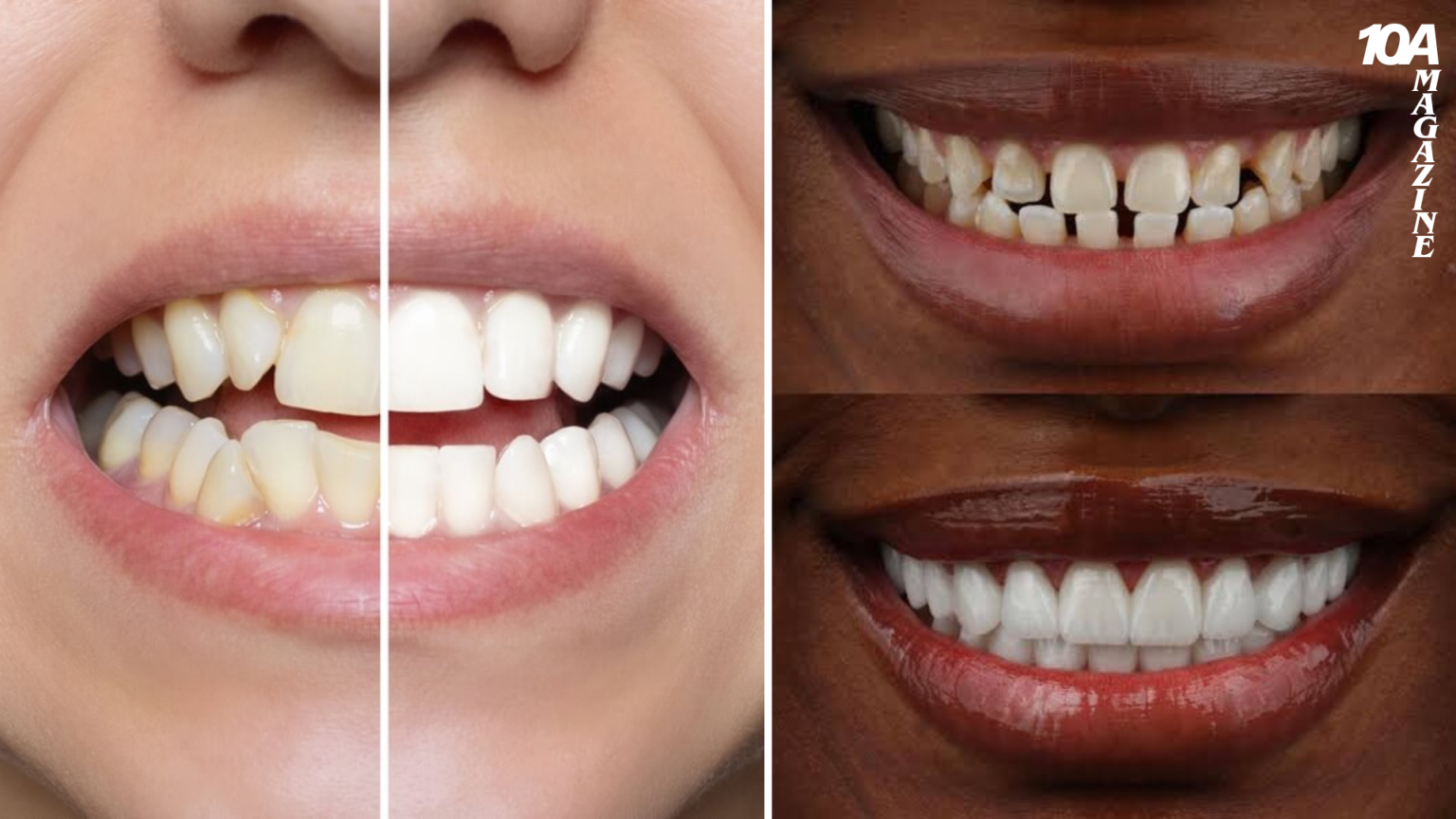
How Much Do Veneers Cost in 2026?
So you’ve been Googling “how much do veneers cost” and you’re getting numbers all over the place. $250. $2,500. $20,000 for a full smile. It’s confusing, and honestly, that’s because there isn’t one single answer.
Veneers pricing depends on the material you pick, how many teeth you’re treating, and where you live. This guide breaks all of that down in plain terms, so you walk into your dentist’s office knowing exactly what to expect.
Quick Answer: Veneers Cost Per Tooth
In 2026, veneers generally cost between $250 and $2,500 per tooth. Composite veneers sit at the lower end, while porcelain, zirconia, and e.max veneers land on the higher end. Most people need six to ten veneers for a full smile makeover, which usually brings the total somewhere between $5,000 and $20,000.
That’s a wide range, so let’s break it down by material, because that’s really what drives the price.
Composite Veneers: The Budget-Friendly Option
Composite veneers typically cost $250 to $1,500 per tooth. Your dentist sculpts tooth-colored resin directly onto your teeth in a single visit. No dental lab, no waiting weeks for a custom piece to arrive.
This is why composite veneers are cheaper. There’s less lab work involved, and the whole process takes far less time. They’re a solid entry point if you want to try out the veneer look before committing to something more permanent, or if your budget is tighter right now.
The trade-off? Composite veneers usually last five to seven years before they need replacing or repair. They’re also more prone to staining and chipping compared to porcelain.
Porcelain Veneers: The Long-Term Investment
Porcelain veneers cost more, usually $900 to $2,500 per tooth, with many patients paying around $1,750 per tooth on average. They’re often called the gold standard in cosmetic dentistry, and there’s a reason for that.
Porcelain has a translucent quality that mimics real enamel, so the color match with your natural teeth looks convincing. The process takes a bit longer too. Your dentist removes a thin layer of enamel, takes an impression, and sends it to a lab. You’ll wear temporaries for two to three weeks while your custom veneers get made.
Here’s the part that matters for your wallet long-term: porcelain veneers can last 10 to 20 years with good care. So even though the upfront cost is higher, you’re not replacing them nearly as often as composite.
No-Prep and Minimal-Prep Veneers
No-prep veneers, including brands like Lumineers, cost roughly $800 to $2,500 per tooth. These are ultra-thin porcelain shells that bond directly over your existing teeth without grinding down enamel first.
Because there’s little to no tooth alteration, the process is reversible. That appeals to a lot of first-time patients who like the idea of veneers but don’t want to commit to something permanent. Just know that not everyone qualifies for no-prep treatment. Your dentist will tell you if your teeth are a good candidate during your consultation.
Zirconia and E.max Veneers
If durability is your top priority, especially if you grind your teeth, zirconia veneers might be worth the extra cost. They run $1,000 to $2,500 per tooth and use the same high-strength ceramic found in dental crowns.
E.max veneers, made from lithium disilicate ceramic, cost about $900 to $2,500 per tooth. They combine strength with a natural, translucent look, which is why many cosmetic dentists consider them a top-tier option.
What Drives the Final Price?
A few factors decide where you land within these ranges.
Location matters a lot. Major cities like New York and Los Angeles typically run 20 to 60 percent higher than suburban or mid-market cities such as Denver or Phoenix.
Number of teeth changes your total. A single veneer for one chipped front tooth costs far less than a full smile makeover covering six to ten teeth.
Your dentist’s experience plays a role too. A cosmetic dentist with years of specialized training and a strong portfolio usually charges more than a general dentist offering veneers as one of many services.
Prep work adds up. If you need gum contouring, bite adjustments, or extra imaging before your veneers go on, expect that to add to your final bill.
How Much Does a Full Smile Makeover Cost?
Most people don’t get just one veneer. A full smile makeover, usually the top six to ten visible teeth, is where the real investment happens.
At mid-range porcelain pricing, ten veneers can run $14,000 to $20,000 before any add-ons. A full mouth covering sixteen to twenty teeth can climb to $15,000 to $40,000, though very few patients actually need that many. Most achieve great results by focusing on the teeth that show when they smile.
Does Insurance Cover Veneers?
Generally, no. Most dental insurance plans classify veneers as cosmetic, so they don’t cover the cost. There are exceptions if the veneer is repairing damage from an accident or decay, so it’s worth asking your provider directly.
If insurance isn’t an option, many dental offices offer in-house payment plans, often interest-free for 12 to 18 months. HSA and FSA funds can sometimes be used too, depending on your specific case.
Composite vs. Porcelain: Which One Actually Saves You Money?
This is where a lot of people get tripped up, because the cheaper option isn’t always the better deal long-term.
A $1,500 composite veneer lasting five years costs about $300 a year. A $2,000 porcelain veneer lasting fifteen years costs roughly $133 a year. When you divide the cost over the veneer’s lifespan, porcelain often works out cheaper despite the bigger upfront number.
That said, composite still makes sense if you want a lower-cost improvement right now, or if you’d rather test the look before investing in something permanent.
How to Get an Accurate Quote
Prices online are a starting point, not a guarantee. Before your consultation, gather a recent dental exam, clear photos of your smile, and a clear idea of what you actually want to fix.
Ask for at least two or three itemized quotes from different dentists. Make sure each quote includes the same details, material, number of teeth, and any extras like temporaries or a nightguard. This makes it much easier to compare prices fairly instead of getting surprised by hidden fees later.
Final Thoughts
There’s no single price tag for veneers because your smile isn’t identical to anyone else’s. The material you choose, the number of teeth you treat, and your dentist’s expertise all shape your final cost. Composite gives you an affordable starting point, while porcelain, zirconia, and e.max offer a longer-lasting result for a higher upfront price.
The best move is booking a consultation with a licensed cosmetic dentist who can give you a personalized number based on your actual teeth and goals, not just an average pulled from the internet.
FAQs
How much do veneers cost per tooth? Veneers generally cost $250 to $2,500 per tooth, depending on the material. Composite sits at the lower end, while porcelain, zirconia, and e.max fall on the higher end.
How much does a full set of veneers cost? A full smile makeover of six to ten veneers typically costs $5,000 to $20,000, depending on the material and your dentist’s location.
Are veneers covered by insurance? Most insurance plans consider veneers cosmetic and don’t cover them, unless the veneer repairs damage from an accident or decay.
How long do veneers last? Porcelain veneers last 10 to 20 years with proper care. Composite veneers typically last 5 to 7 years before needing replacement.
Is composite or porcelain better value? Porcelain costs more upfront but often works out cheaper per year thanks to its longer lifespan. Composite is a good choice if you want a lower initial cost or a trial run before committing to porcelain.