


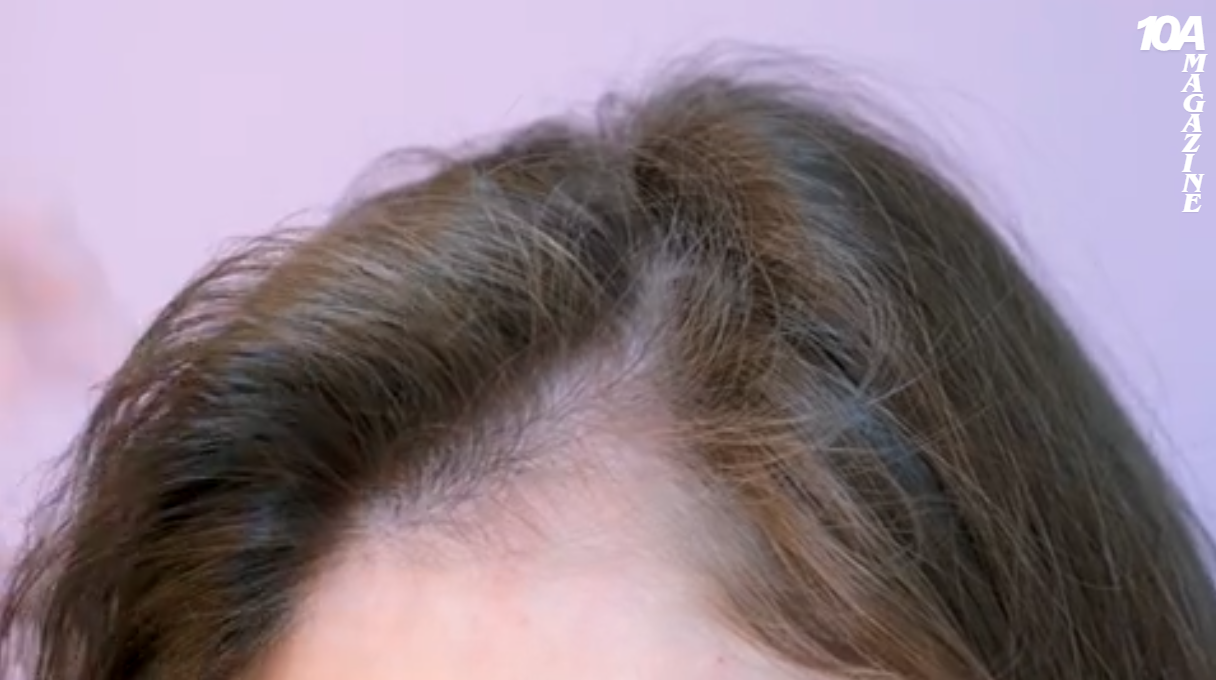
If your hair started shedding more than usual after you began Mounjaro or Zepbound, you’re not imagining it. This is one of the most common questions patients bring to their doctors right now.
So, does tirzepatide cause hair loss? The short answer is: it can, but usually not in the way people assume.
Let’s break down what actually happens in your body, what the studies say, and what you can do about it.
What Is Tirzepatide?
Tirzepatide is a dual GIP and GLP-1 receptor agonist. It’s sold under two brand names: Mounjaro, approved for type 2 diabetes, and Zepbound, approved for chronic weight management.
The drug works by regulating blood sugar, slowing digestion, and reducing appetite. This often leads to significant, fairly fast weight loss. And that fast weight loss is where hair loss usually enters the picture.
Does Tirzepatide Cause Hair Loss Directly?
Here’s where the research gets interesting.
Alopecia, the clinical term for hair loss, is listed as an adverse reaction in the FDA prescribing information for Zepbound. In the SURMOUNT-1 clinical trial, roughly 5% to 6% of people taking tirzepatide reported hair loss, compared to only 1% of those on a placebo. One source puts the highest-dose figure closer to 5.7%, versus 1% in the placebo group.
That gap is real. But most dermatologists and researchers believe the shedding is a secondary effect of rapid weight loss, not the drug attacking hair follicles directly.
That said, not every study agrees the connection is purely indirect. A large 2026 cohort study using the TriNetX medical records database found that people taking semaglutide or tirzepatide had a significantly higher risk of several types of hair loss compared to those on metformin, even after matching for age, weight, and existing health conditions. Interestingly, the researchers noted that the weight loss seen in their study group was fairly modest, suggesting the hair loss risk may not be fully explained by rapid weight loss alone.
So the science isn’t fully settled. Most experts still lean toward weight-loss-driven shedding as the main explanation, but researchers admit there could be more to the story.
Why Hair Loss Happens During Weight Loss
Rapid weight loss puts real stress on the body, and hair follicles are sensitive to that stress. Here are the three most commonly cited reasons.
1. Telogen Effluvium
This is the leading explanation. Hair grows in cycles. Most of your follicles sit in an active growth phase, while a smaller share rests in a shedding phase called telogen.
When the body goes through a major physical stressor, like fast weight loss, a bigger share of follicles gets pushed into that resting phase all at once. A few months later, those hairs shed together, and the shedding feels sudden and alarming.
This pattern shows up in other rapid weight loss situations too. Research on bariatric surgery patients found that up to 57% develop telogen effluvium after surgery, which supports the idea that the shedding is tied to weight-loss physiology in general, not just one specific medication.
2. Reduced Nutrient Intake
Tirzepatide suppresses appetite, sometimes dramatically. Eating less naturally means taking in less protein, iron, zinc, and key vitamins, and hair follicles need these nutrients to function properly.
Even a mild, short-term deficiency can be enough to disrupt the hair growth cycle.
3. Hormonal and Metabolic Shifts
Big changes in body weight can shift hormone levels too. Some experts believe this could unmask or accelerate androgenetic alopecia, the genetic, pattern-based hair thinning that some people are already predisposed to, even if it hadn’t shown up yet.
When Does Tirzepatide Hair Loss Usually Start?
Most patients notice shedding roughly two to five months after starting treatment or after a period of fast weight loss. This delay is a hallmark of telogen effluvium, since the trigger and the visible shedding don’t happen at the same time.
Is It Permanent?
In most cases, no. Telogen effluvium is a temporary condition. Once your weight stabilizes and your nutrient intake catches up, hair follicles usually cycle back into active growth.
Most patients see noticeable improvement within six to nine months of the shedding starting.
There’s also an encouraging counterpoint worth mentioning. A case report published in JAAD Case Reports described a man with pre-existing androgenic alopecia whose hair density actually improved after six months of tirzepatide treatment, alongside weight loss and better insulin sensitivity. Researchers suggested this could relate to how androgenic alopecia is thought to develop from an overactive androgen hormone pathway in people who are genetically predisposed to it. This shows individual responses genuinely vary.
What You Can Do About It
You don’t need to stop your medication to protect your hair. A few practical steps can help.
Avoid crash dieting. Fast, extreme calorie cuts are one of the most common triggers of telogen effluvium. Aim for steady, sustainable weight loss instead.
Prioritize protein. Hair is largely built from protein, so low intake directly affects follicle strength.
Watch for deficiencies. Ask your doctor about checking iron, ferritin, vitamin D, B12, and thyroid function if shedding feels significant.
Be gentle with your hair. Skip tight hairstyles, reduce heat styling, and handle wet hair carefully, since breakage can make normal shedding look worse than it is.
Consider topical minoxidil. This over-the-counter treatment has real evidence supporting its use for speeding up regrowth during telogen effluvium.
Don’t stop your medication on your own. Always talk to your prescribing doctor first. Suddenly stopping tirzepatide can affect blood sugar control or weight management progress, and there isn’t strong evidence that switching GLP-1 medications reliably prevents hair loss anyway.
When to See a Dermatologist
Most tirzepatide-related shedding resolves on its own, but a few signs mean it’s worth getting checked out:
- Shedding continues past six months without improvement
- Hair falls out in patches instead of evenly across the scalp
- You notice scalp redness, scaling, or irritation
- You’re also experiencing fatigue, feeling unusually cold, or other symptoms that could point to a thyroid issue
- The hair loss is affecting your confidence or mental well-being
A dermatologist or trichologist can run bloodwork, rule out other causes like anemia or thyroid dysfunction, and recommend a treatment plan suited to your situation.
The Bottom Line
Does tirzepatide cause hair loss? For a small percentage of people, yes, shedding can happen. But current evidence suggests it’s usually tied to rapid weight loss and nutritional changes rather than the medication directly damaging hair follicles.
For most people, this shedding is temporary. With good nutrition, patience, and the right support, hair typically grows back once your body adjusts to its new weight.
If you’re concerned, don’t stop your medication abruptly. Talk to your doctor first, they can help you figure out what’s actually going on and how to manage it safely.
Frequently Asked Questions
Is hair loss common with tirzepatide? It’s not considered a common side effect, but it isn’t rare either. Clinical trial data shows around 5% to 6% of people on Zepbound reported hair loss, compared to about 1% on placebo.
Does Mounjaro cause hair loss the same way Zepbound does? Both contain the same active ingredient, tirzepatide. Hair loss has been reported more often in Zepbound trials, likely because weight loss tends to be more pronounced in that population, though the underlying mechanism appears similar for both.
How long does tirzepatide hair loss last? Most cases resolve within three to nine months once weight stabilizes and nutrition improves. It’s usually temporary rather than permanent.
Can I prevent hair loss while taking tirzepatide? You can lower your risk by avoiding crash dieting, prioritizing protein and key nutrients, and losing weight at a steadier pace. Not everyone will experience shedding, even at similar weight loss rates.
Should I stop taking tirzepatide if I notice hair loss? No, not without talking to your doctor first. Stopping suddenly can affect your blood sugar control or weight management progress. Your doctor can help determine the actual cause and the safest way forward.
When should I see a doctor about hair loss on tirzepatide? If shedding lasts longer than six months, appears in patches, comes with scalp irritation, or is paired with symptoms like fatigue, it’s time to check in with a dermatologist or your prescribing physician.