


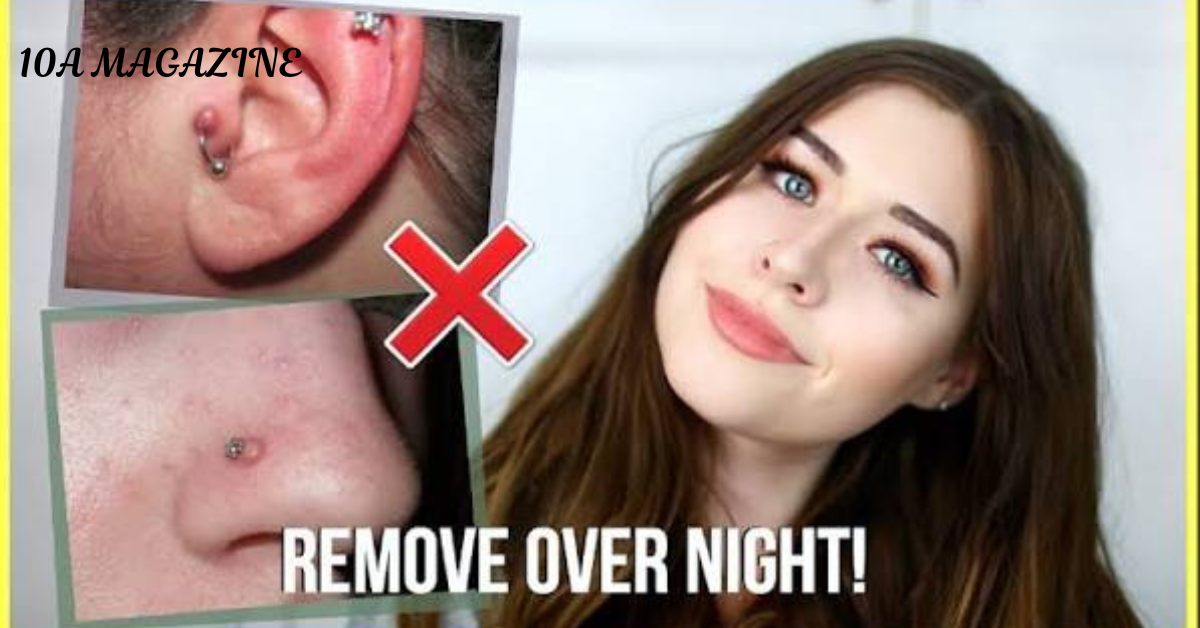
So you got a shiny new piercing, and now there’s a weird little bump next to it. Congratulations, you’ve joined a very large, very confused club.
Piercing bumps are common. They’re annoying. And no, you’re not doing everything wrong. Most people who search “how to get rid of piercing bump” just need a calm, clear plan — not panic, not Google-diagnosed doom.
This guide breaks down what these bumps actually are, why they show up, and how to treat them the right way. We’ll also cover when a bump is more than just irritation, and when it’s time to call a professional.
What Exactly Is a Piercing Bump?
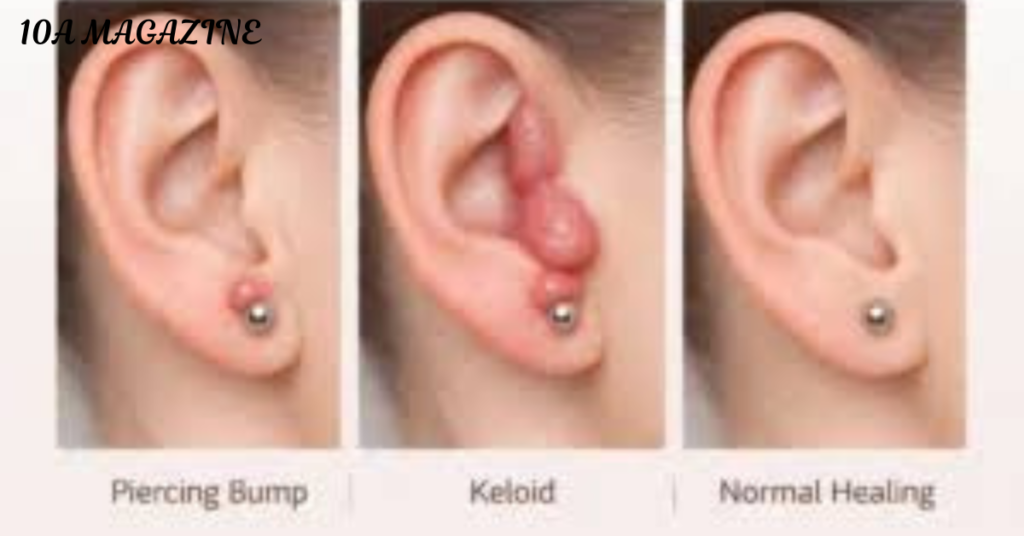
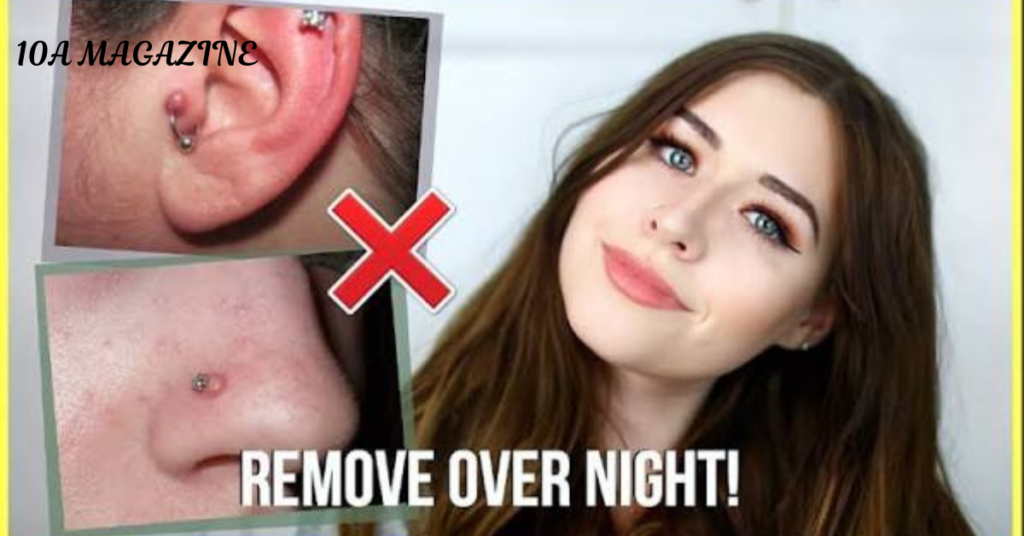
A piercing bump is a small raised area that forms near a fresh or healing piercing. <cite index=”4-1″>It’s usually not dangerous, though it can be uncomfortable, unsightly, and stubborn if it isn’t treated correctly.</cite>
Here’s the logical part: your body doesn’t know the difference between a piercing needle and a splinter. A piercing creates a tiny wound, and your immune system sends white blood cells to protect the area — which can cause some inflammation and lead to a bump. Your skin is basically overreacting out of love. Sweet, but annoying.
These bumps typically start red or pink and may not hurt at first. As they heal, they can turn white and start looking like scar tissue.
What Causes a Piercing Bump?
Most bumps trace back to one of a few everyday culprits:
- Irritation. Piercing bumps are usually caused by irritation, minor infection, or the formation of scar tissue.
- Jewelry problems. Low-quality metals like nickel can keep irritating the piercing, while titanium, surgical steel, or gold usually cause fewer reactions.
- Too much touching. Fidgeting with a new piercing is basically inviting bacteria to a party it wasn’t invited to.
- Jewelry swaps too soon. Changing jewelry style or material — especially switching to a hoop too early or using lower-quality material — can trigger a bump that wasn’t there before.
Nose and cartilage piercings are frequent offenders here. Nose piercings are among the most bump-prone because the area gets touched often, is exposed to nasal mucus, and cartilage simply heals slower than other tissue.
Piercing Bump vs. Keloid: Know the Difference First
Before you treat anything, figure out what you’re actually dealing with. This matters because treating a keloid like a normal bump wastes time — and treating a normal bump like a keloid can mean unnecessary worry.
Piercing bumps tend to show up quickly and stay the same size, while keloids form slowly and keep growing. A keloid is a firm, raised overgrowth of scar tissue that extends beyond the original piercing site, unlike a typical bump that stays contained to the area.
Genetics also play a role here, and there’s no shame in that. People with darker skin tones or a family history of keloids are more likely to develop them, and if you haven’t had one by your 20s, the odds drop significantly. If this sounds like a genetics quiz you didn’t sign up for, that’s fair — but it’s useful information before your next piercing appointment.
The good news: irritation bumps are far more common than keloids. Keloids are rarer than the average piercing bump, so statistically, you’re probably dealing with the easier problem.
How to Get Rid of a Piercing Bump: Step-by-Step
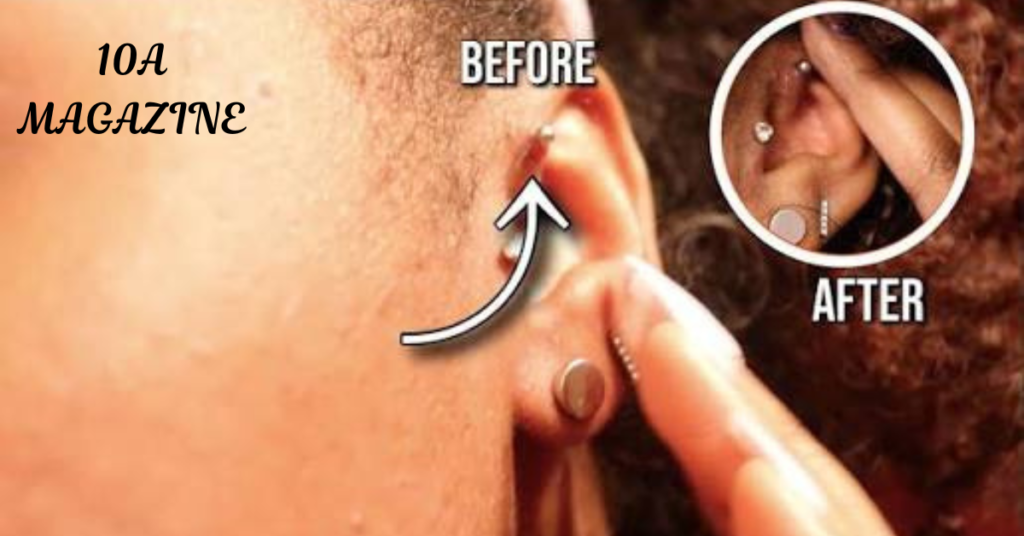
Here’s the part you actually came for. These steps follow standard aftercare advice used by piercers and dermatologists.
1. Clean With Sterile Saline Solution
Use a sterile saline solution twice daily to help reduce bacteria, promote healing, and prevent further irritation.Make sure it’s labeled as a wound wash — not contact lens solution or nasal spray, which are different formulas entirely.
A simple method: soak a clean paper towel or gauze in saline and press it gently against the bump for a few minutes, once or twice a day.
2. Skip the Alcohol and Hydrogen Peroxide
It feels productive to reach for the strongest thing in your medicine cabinet. Don’t. Alcohol and hydrogen peroxide can actually delay healing instead of speeding it up. They’re too harsh for healing skin and can dry out the area, making irritation worse.
3. Hands Off — Literally
Constant movement and touching irritate the skin and worsen inflammation, so only touch the area with clean hands and avoid twisting the jewelry. Think of it like a scab: annoying, itchy, and absolutely not yours to pick at.
4. Check Your Jewelry Material
If irritation keeps coming back, the jewelry itself might be the problem, so switching to titanium, surgical steel, or gold — and avoiding nickel — can make a real difference.
5. Leave the Jewelry In
This one trips people up. Removing jewelry from an irritated piercing can trap the wound shut and worsen swelling, since the piercing needs to drain and breathe properly. Unless a professional tells you otherwise, keep the original jewelry in place while it heals.
6. Give It Time
Healing isn’t instant, and that’s fine. Most minor bumps improve within a few weeks with proper, consistent care. If you’re on day two wondering why it’s not gone yet, take a breath — this isn’t a same-day fix.
What NOT to Do
A quick list of things that feel helpful but usually backfire:
- Don’t pop it. Popping a piercing bump doesn’t help — it can worsen irritation and raise the risk of infection.
- Don’t switch jewelry constantly while it’s healing. Consistency helps the skin settle.
- Don’t self-diagnose a keloid based on a photo you saw online. Bumps can look similar in early stages.
- Don’t ignore spreading redness, pus, or fever. Those symptoms usually point to infection rather than simple irritation, and should be evaluated.
When to See a Dermatologist
Home care solves most cases, but not all of them. See a dermatologist if the bump persists beyond six months, grows beyond the piercing site, or shows signs of infection like pus, spreading redness, or fever.
Keloids in particular will not go away without treatment, and some can keep growing for years if left alone. A dermatologist may recommend options like steroid injections or, in some cases, surgical removal. That might sound intense, but remember — this outcome is uncommon, not the default.
How to Prevent Piercing Bumps Next Time
Prevention is genuinely easier than treatment. A few habits go a long way:
- Choose a licensed, experienced piercer over a bargain deal.
- Stick to implant-grade titanium or surgical steel jewelry from the start.
- Clean with saline consistently, not just when it looks irritated.
- Avoid sleeping on the piercing or catching it on clothing, hair, or headphones.
- <cite index=”2-1″>If you have a personal or family history of keloids, talk to a dermatologist before getting pierced, since some doctors recommend pressure earrings immediately after piercing for keloid-prone individuals.</cite>
None of this guarantees a bump-free healing process, but it stacks the odds in your favor.
Quick FAQ
Is a piercing bump permanent? Typical piercing bumps do not grow in size the way keloids do, and most resolve with proper care.
Can I use tea tree oil or toothpaste on it? Stick to sterile saline. Home remedies without medical backing can irritate healing skin further, and there’s no strong evidence they work better than saline.
Should I remove the jewelry if it hurts? Not without professional advice. Removing it too early can trap the bump instead of clearing it.
Final Thoughts
A piercing bump usually isn’t a sign that something went catastrophically wrong. It’s your skin doing its job a little too enthusiastically. Clean it gently, leave it alone, choose the right jewelry, and give it time.
If it’s still there after a few months, growing, or showing signs of infection, that’s your cue to see a dermatologist rather than a home-remedy rabbit hole.