


So, something feels a little “off” down there, and Google brought you here at 11 p.m. First off, relax. You’re not broken, and you’re definitely not alone. Vaginal pH swings are one of the most common (and most Googled) health worries out there.
Here’s the honest truth before we go any further: your body doesn’t run on a light switch. There’s no single trick that flips your pH from “off” to “perfect” the second you wake up. But there’s good news too. Your vagina is remarkably good at fixing itself, and small steps tonight can genuinely speed that process along. Let’s break down what’s actually happening and what helps.
What Does “pH Balance” Even Mean?

pH is just a number that tells you how acidic or alkaline something is, on a scale of 0 to 14. Zero is extremely acidic (think battery acid), 14 is extremely alkaline (like drain cleaner), and 7 sits right in the middle as neutral, according to WebMD.
Your vagina isn’t neutral. It’s naturally acidic, and that’s a good thing.
According to the Cleveland Clinic, a typical healthy vaginal pH sits between 3.8 and 4.5. That acidity comes courtesy of friendly bacteria called lactobacilli, which produce lactic acid to keep unwanted bacteria and yeast from taking over.
Think of lactobacilli as tiny bodyguards. When they’re doing their job, harmful bacteria can’t get past the velvet rope. When their numbers drop, the rowdier bacteria sneak in, and your pH creeps upward.
Signs Your pH Might Be Unbalanced
You won’t need a lab coat to notice these. Common signs include:
- An unusual odor, often described as fishy
- Discharge that looks grey, green, or unusually watery
- Itching or irritation around the vulva
- A burning sensation, especially during urination or sex
Healthline notes that a sudden change in odor, especially one that lingers after bathing, is often the clearest signal something has shifted.
To be clear, a mild, natural scent is completely normal. Every vagina has one. It’s the sudden, strong, or foul-smelling changes that are worth paying attention to.
Can You Actually Fix It Overnight?
Here’s where we keep things real, because you deserve facts, not hype.
Your body can often rebalance its own pH within a few days on its own, according to the Cleveland Clinic. “Overnight” in the truest sense (like, before sunrise) isn’t a guarantee anyone can honestly make. But you absolutely can kickstart the process tonight and give your body the best possible conditions to reset fast.
Think of it like recovering from a bad night’s sleep. You can’t undo it in one nap, but the right habits tonight set you up to feel noticeably better by morning.
What to Do Tonight
1. Stop Anything That’s Making It Worse
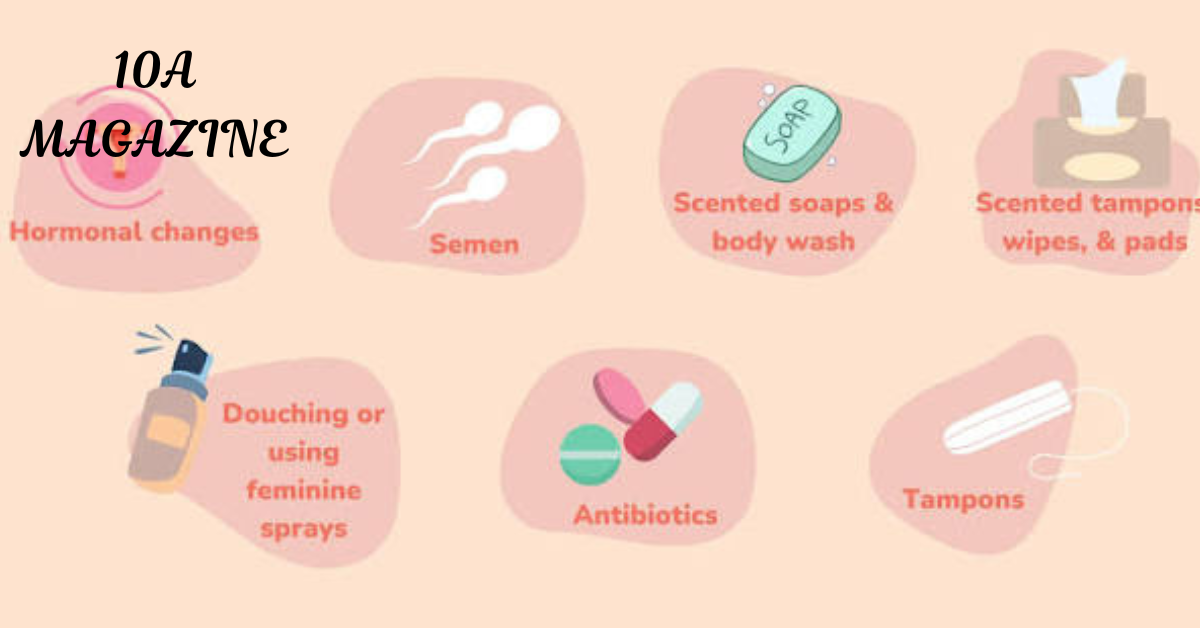
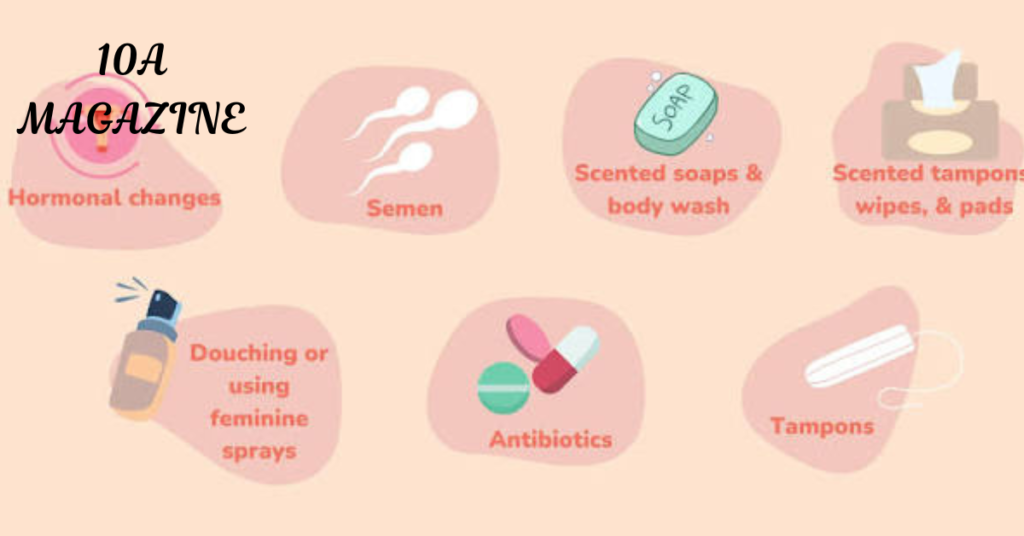
First rule: stop digging the hole deeper. Skip scented soaps, bubble baths, feminine sprays, and, this one’s important, douching.
Banner Health is direct about this: the vagina is self-cleaning and doesn’t need douching. Douching actually strips away the good bacteria that keep your pH balanced in the first place. It’s a bit like power-washing your garden to get rid of a few weeds and taking out the flowers too.
2. Wash the Outside, Not the Inside
Healthline recommends washing your vulva, not your vagina. Use warm water and, if needed, a mild, unscented soap on the outer folds only. Your vagina cleans itself internally, so there’s no need to “help” it with anything beyond water on the outside.
3. Switch to Breathable Underwear
Damp, tight fabric is basically a welcome mat for unwanted bacteria. Cotton underwear lets air circulate and keeps moisture from building up overnight. If you’ve been in workout leggings or a wet swimsuit all day, change into something dry and breathable before bed.
4. Consider Probiotics
Since lactobacilli are the good bacteria responsible for keeping pH acidic, giving them reinforcement can help. Research published in Frontiers in Cellular and Infection Microbiology has looked at probiotics’ role in supporting vaginal health, though results vary by strain and person. A probiotic supplement or probiotic-rich food like plain yogurt tonight won’t work magic by sunrise, but it supports your body’s own recovery process.
5. Avoid Sex or Use Protection
Semen has a higher pH than the vagina, and it can temporarily raise vaginal pH after intercourse, per Dr. Daniel Kushner, OB/GYN. If you’re actively trying to rebalance things tonight, giving your body a break, or using a condom, takes one variable out of the equation.
6. Stay Hydrated
This one sounds too simple to matter, but hydration supports healthy mucus membranes throughout your body, vaginal tissue included. Drink water like you’re trying to win a very unglamorous contest, and let your body do the rest.
What NOT to Do (Seriously, Skip These)
The internet loves a good home remedy, but not all of them are backed by evidence. Steer clear of:
- Apple cider vinegar baths or rinses inside the vagina. There’s no solid clinical evidence this restores vaginal pH, and it can cause irritation.
- Inserting garlic. A popular “hack” online with zero scientific backing and real potential to cause burns or infection.
- Douching with any liquid, including water. The Cleveland Clinic is clear that a healthy vagina doesn’t need internal rinsing of any kind.
- Random OTC pH gels without guidance. Some exist, but using the wrong product for the wrong issue can make things worse. If in doubt, ask a pharmacist or doctor.
Your vagina has survived millions of years of evolution without vinegar or garlic cloves. It doesn’t need either now.
When to See a Doctor Instead
Sometimes what feels like a simple pH dip is actually an infection that needs treatment, not tea and patience.
The Cleveland Clinic advises seeing a healthcare provider if symptoms last more than a few days. Bacterial vaginosis, the most common vaginal infection, often requires prescription antibiotics like metronidazole or clindamycin, according to Healthline. No home remedy replaces that when an actual infection is present.
See a doctor if you notice:
- Symptoms lasting more than 2-3 days
- Strong, persistent odor despite good hygiene
- Pain, swelling, or fever
- Discharge with an unusual color or texture
There’s no prize for toughing out something a five-minute appointment could resolve.
The Bottom Line
Real, lasting pH balance isn’t about a single overnight miracle. It’s about giving your body’s natural defenses, especially those hardworking lactobacilli, the right environment to do their job. Skip the harsh products, keep things simple, stay hydrated, and let your body’s own chemistry take the wheel.
And if things don’t settle down in a couple of days? That’s not failure. That’s just your body asking for a little professional backup.
This article is for general educational purposes and isn’t a substitute for medical advice. If you have persistent or severe symptoms, please consult a healthcare provider.
Sources referenced in this article:
- Cleveland Clinic – Vaginal pH: Balance, Range & What Causes Fluctuations
- WebMD – What Determines Vaginal pH Balance?
- Healthline – Vaginal pH Balance: Normal vs. Unbalanced, Symptoms, More
- Banner Health – Vaginal pH Balance: What’s Normal and How to Keep It Healthy
- Dr. Daniel Kushner, OB/GYN – Vaginal Health: What Causes pH Imbalance?
- PubMed – The Role of Probiotics in Vaginal Health
Free copyright-free image sources: