


Benefits, Uses, and Facts About the “Flower of Flowers”
Say “ylang ylang” out loud. Now say it again, correctly this time: ee-lang ee-lang, not why-lang why-lang. Don’t worry, almost everyone gets it wrong on the first try, including the people who sell the oil at wellness stores.
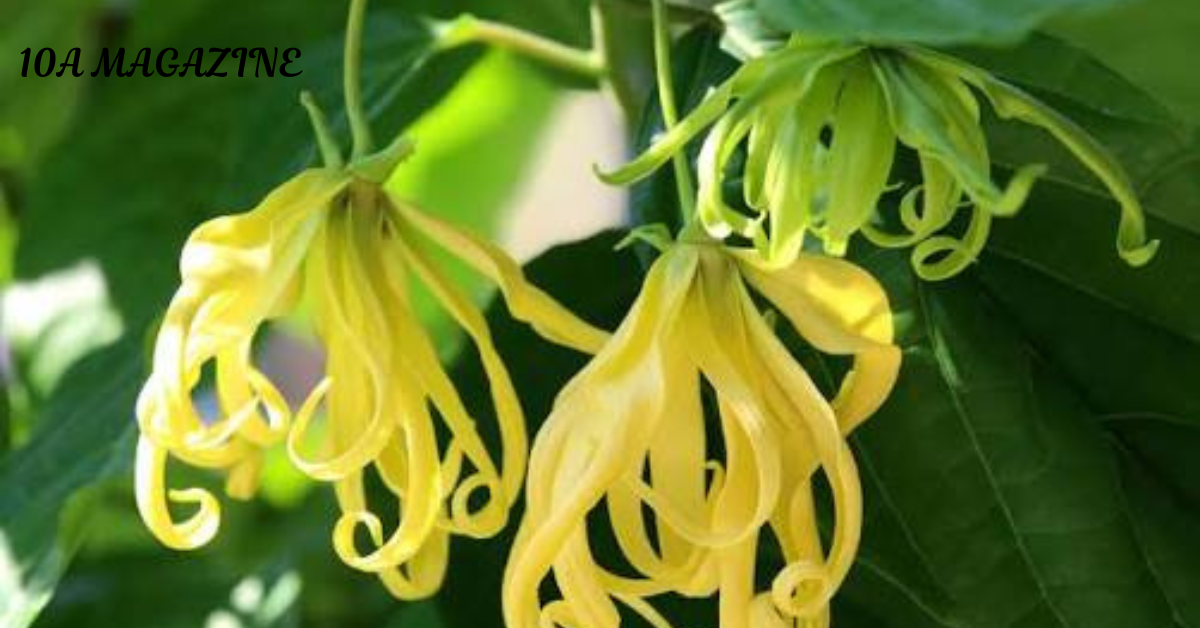
That small mix-up is a good introduction to this flower. It looks unassuming, a bit like a drooping yellow star, yet it has quietly perfumed some of the world’s most famous colognes and calmed anxious minds for over a century. This guide covers what ylang ylang actually is, where it grows, and what science really says about it, without the exaggerated claims that usually follow essential oils around.
What Is Ylang Ylang?
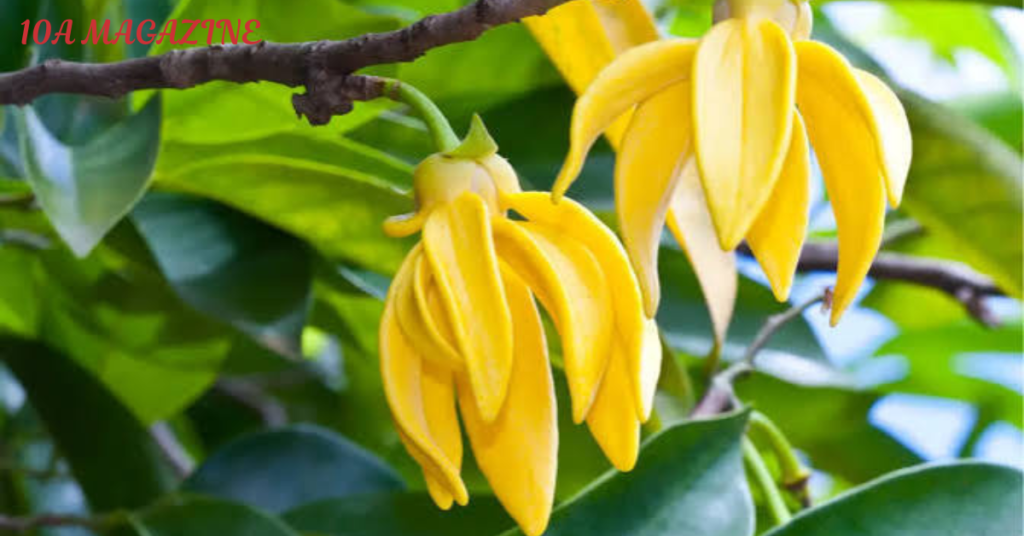
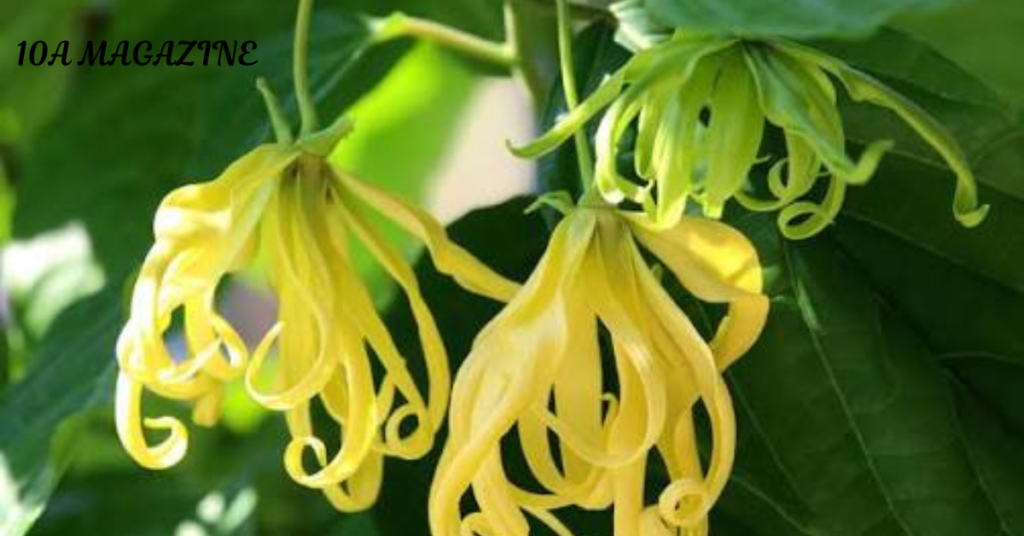
Ylang ylang is the common name for the flower of Cananga odorata, a fast-growing tropical tree in the custard apple family. The tree is native to Southeast Asia, including the Philippines, Indonesia, and Malaysia, and it now grows across parts of the Indian Ocean and the Pacific as well (Healthline).
The name itself comes from the Filipino word ilang-ilang, usually translated as “flower of flowers.” Local legend even ties the name to a folk story about a girl transformed into the tree after a forbidden love (Le Sourceur).
The flowers start out green, and they only turn their signature bright yellow once they are fully mature and at their most fragrant. Farmers actually wait for this exact colour before harvesting, because picking too early means a weaker scent.
Where Does Ylang Ylang Grow?
Ylang ylang trees love heat, humidity, and plenty of sunlight, which explains why they thrive on tropical islands. Today, the Comoros Islands produce the largest share of the world’s ylang ylang oil, followed by Madagascar and Mayotte, where the crop is a major export (Le Sourceur).
A mature tree can grow more than 40 feet tall in the wild, though growers usually prune it down to a manageable height so the flowers stay within reach for hand-picking.
How Is Ylang Ylang Oil Made?
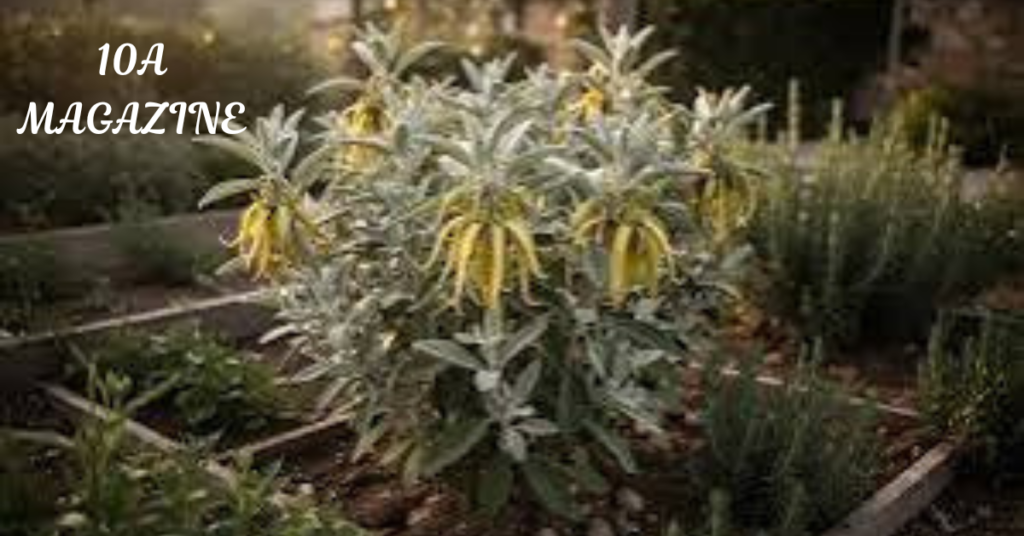
The oil comes from steam distillation of freshly picked flowers. It takes roughly 50 kg of blossoms to produce just 1 kg of essential oil, which is one reason quality ylang ylang oil is never cheap (Le Sourceur).
Distillers don’t stop the process all at once. Instead, they collect the oil in stages, and each stage carries a different grade:
- Extra – Collected first, most fragrant, used in fine perfumery.
- First and Second – Slightly less intense, used in cosmetics.
- Third – The mildest grade, mostly used in soaps.
- Complete – A blend of all stages, offering a fuller, rounder scent.
If you’ve ever wondered why one bottle of ylang ylang oil smells sharper than another, this grading is usually the reason.
Ylang Ylang Benefits: What Research Actually Shows
Plenty of wellness blogs promise that ylang ylang cures everything from sepsis to low self-esteem. Real research is more modest, but it is genuinely interesting. Here’s what’s actually documented.
1. May Support Relaxation and Lower Stress
A small 2014 study found that ylang ylang reduced anxiety and improved self-esteem in participants when it was inhaled or applied to the skin (Healthline). More recent lab research has also linked inhaling Cananga odorata oil to lower anxiety-like behaviour, tied to changes in serotonin and dopamine activity (WebMD).
2. Traditional and Emerging Support for Blood Pressure
Ylang ylang has long been used in aromatherapy for calming the nervous system, and a controlled trial combining lavender and ylang ylang reported a drop in blood pressure among participants with hypertension (WebMD). This is promising, not a replacement for medication, and anyone with high blood pressure should still talk to a doctor first.
3. Antimicrobial and Anti-Inflammatory Activity
A detailed scientific review published on PubMed Central confirmed that ylang ylang essential oil shows real antimicrobial, anti-inflammatory, and antioxidant activity in laboratory studies (NCBI/PMC). Traditionally, communities in Southeast Asia used the plant for stomach issues, malaria symptoms, and skin infections long before it reached perfume counters.
4. Skin and Scalp Benefits
Because of its antimicrobial and anti-inflammatory properties, ylang ylang oil is being studied as an ingredient in topical treatments for scalp psoriasis and dandruff (NCBI/PMC). It’s also commonly used, diluted, to help balance oil production on both dry and oily skin.
5. A Long History as an Aphrodisiac
This use is mostly cultural rather than clinical. In Indonesian weddings, ylang ylang flowers are traditionally scattered on the beds of newlyweds, a custom that has fed the flower’s romantic reputation for generations (Aimée de Mars). Treat this one as folklore with a pleasant smell attached, not a proven effect.
Ylang Ylang in Perfumery
If you’ve ever worn a floral perfume, chances are you’ve worn ylang ylang without realizing it. It has been a key note in perfumery since the 1860s, when it was first distilled in Manila and later exported to France (Le Sourceur). Its warm, fruity-floral scent blends beautifully with jasmine, sandalwood, and citrus, which is why perfumers still reach for it more than 150 years later.
How to Use Ylang Ylang Safely
Essential oils are concentrated, and ylang ylang is no exception. A few sensible ground rules go a long way:
- Always dilute it. Mix one drop of essential oil with a teaspoon of a carrier oil, such as jojoba or almond oil, before applying it to skin (Healthline).
- Patch test first. Apply a small diluted amount to your forearm and wait 24 hours before using it more widely.
- Store it properly. Keep it in a dark glass bottle, away from sunlight and heat.
- Don’t ingest it. The FDA does not regulate the purity of essential oils, so oral use isn’t recommended without medical supervision (Healthline).
- Check with a doctor if pregnant or on medication, since essential oils can interact with certain treatments.
Some people also get headaches or nausea from strong ylang ylang scent in an enclosed room, so ventilation matters as much as dilution.
Common Ways to Enjoy Ylang Ylang
- A few drops in a diffuser for a calming evening at home.
- Diluted in a carrier oil for a relaxing scalp or shoulder massage.
- Mixed into unscented lotion for a natural, floral moisturiser.
- Added, in tiny amounts, to homemade soap or candles.
Frequently Asked Questions
Is ylang ylang the same as jasmine? No. They’re different plants with different scent profiles, though both are common in perfumery and often blended together.
Can ylang ylang oil grow hair? There’s no strong clinical proof it grows hair, but its history as an ingredient in Victorian-era Macassar hair oil shows it has long been valued for scalp and hair care.
Is ylang ylang oil safe for children? It’s best avoided on young children unless a healthcare provider or qualified aromatherapist approves it, given how concentrated the oil is.
Final Thoughts
Ylang ylang earns its nickname honestly. It isn’t a miracle cure, and anyone claiming otherwise is stretching the truth. What it does offer, backed by both centuries of tradition and a growing body of real research, is a genuinely calming scent, some promising skin benefits, and a small but real role in stress relief. That’s a solid reputation for one tropical flower.