



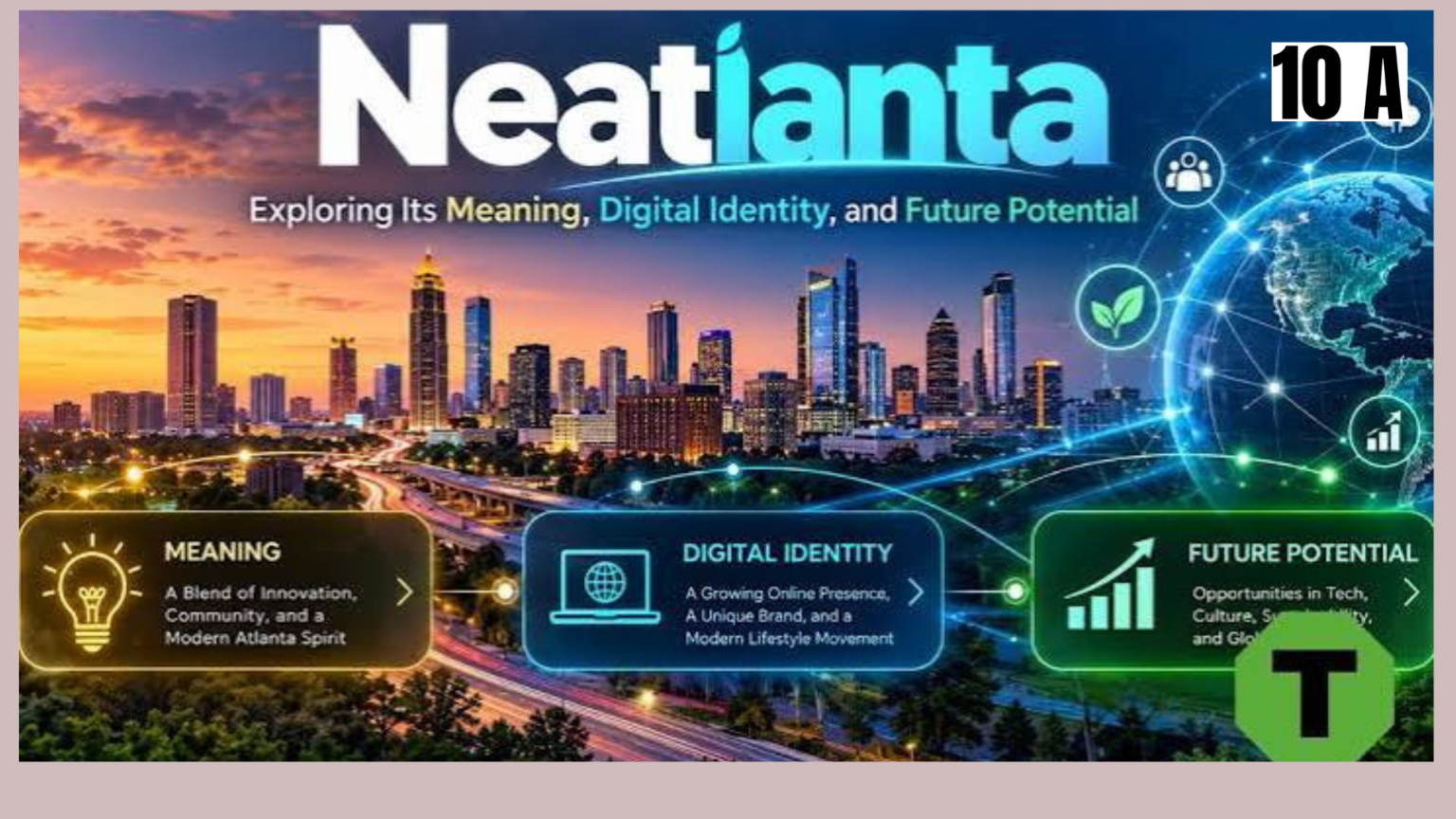
The internet constantly introduces new names, platforms, concepts, and digital identities that attract people’s attention. Neatlanta is one such keyword that may lead users to search for more information about its meaning, background, purpose, and online presence. However, when a name does not have a clearly established public identity or widely documented background, it is important to separate verified information from assumptions. Understanding Neatlanta starts with examining how unfamiliar digital terms gain attention, how people search for them, and what information readers should look for before trusting an unfamiliar website or online service. This guide explores Neatlanta from an informational and digital discovery perspective, helping readers understand the keyword while avoiding unsupported claims.
What Is Neatlanta?
Neatlanta is an uncommon term that does not have a clearly established, widely documented definition in mainstream reference sources. Its exact meaning and intended use therefore require additional context.
It may be a brand name, a website-related term, a business identity, a digital project, or a keyword associated with a particular online community. Without a verified source identifying it, none of these possibilities should be treated as confirmed.
This is particularly important because unfamiliar names can appear in search engines before detailed information about them becomes available.
When researching Neatlanta, readers should consider several questions:
- Is Neatlanta connected to an official website?
- Does it represent a registered business or organization?
- Is there an identifiable creator or company behind it?
- Does it provide a specific product, service, or type of information?
- Are there independent sources discussing it?
Finding reliable answers to these questions can help establish what the name actually represents.
Why Are People Searching for Neatlanta?
Unfamiliar keywords can attract attention for several reasons. Sometimes people encounter a name on social media, through a website, in an online discussion, or in search suggestions.
Neatlanta may attract similar curiosity, particularly among users trying to discover its background or purpose.
Here are some possible reasons people investigate unfamiliar online terms.
1. Curiosity About New Names
People naturally search for names they have not encountered before. A unique term can create questions about its origin, meaning, and connection to other websites or businesses.
2. Discovering Online Platforms
Internet users regularly look for new platforms that offer information, entertainment, services, or useful resources. When they encounter an unfamiliar name, searching for it is often their first step.
3. Understanding Digital Identities
A name may belong to a company, creator, website, or online project. Research helps users determine whether the identity is genuine and whether it has an established online presence.
4. Finding Reliable Information
Searchers often want straightforward explanations instead of confusing descriptions. They may simply want to know what Neatlanta means and whether it is connected to something useful.
How to Research Neatlanta Online
Researching an unfamiliar keyword requires more than reading the first search result. A careful approach helps users identify trustworthy information and avoid misleading websites.
Check Official Sources
Start by looking for an official website or verified social media account associated with Neatlanta.
An authentic online presence should ideally provide consistent information about its identity, purpose, contact details, and services.
Be cautious if a website makes impressive claims but does not explain who operates it.
Look for Independent References
Independent sources can provide additional context. Search for articles, business directories, public records, and discussions that mention the same name.
However, remember that repeated information does not automatically make something reliable. Several websites may simply copy the same unverified description.
Examine Website Transparency
If Neatlanta is connected to a website, review its important pages.
Look for:
- About Us information
- Contact details
- Privacy policy
- Terms and conditions
- Clear explanations of services
- Updated website content
These details can help readers understand whether a website is professionally maintained.
Evaluate Online Reviews
Reviews can offer useful insights into a service or platform, but they should be interpreted carefully.
Look for detailed experiences rather than short promotional comments. Independent reviews that explain both positive and negative experiences are generally more informative.
The Importance of Digital Identity and Online Trust
Digital identity plays an important role in how people interact with websites and online services.
Whether Neatlanta represents a website, company, or emerging digital concept, establishing a recognizable identity would help users understand what it offers.
A trustworthy digital identity generally includes three important elements.
Consistent Branding
A recognizable name, consistent presentation, and clear messaging help users identify a business or platform.
If a name appears differently across multiple websites, users may struggle to determine which source is authentic.
Transparent Information
Transparency helps establish confidence. Users should be able to understand who operates a platform and what they can expect from it.
A website that clearly explains its purpose is generally easier to evaluate than one with vague descriptions.
Reliable Communication
Accessible contact information and responsive support can make a significant difference in the user experience.
Before sharing personal information, visitors should understand how their information will be handled and who is responsible for the platform.
Potential Benefits of Discovering New Digital Platforms
Exploring unfamiliar digital names can sometimes lead users to useful resources and interesting online opportunities.
Although the specific benefits of Neatlanta cannot be confirmed without identifying its official purpose, discovering new digital projects can offer several general advantages.
Access to New Information
Emerging websites and digital projects may introduce information that is not readily available elsewhere.
Readers can discover different perspectives, resources, and ideas by exploring unfamiliar online spaces.
New Business Opportunities
Some emerging digital identities are connected to businesses or entrepreneurial projects.
Researching them may help users discover new services, products, or professional opportunities.
Greater Digital Awareness
Learning how to evaluate unfamiliar websites improves digital literacy.
Users become better at recognizing misleading information, understanding online privacy, and identifying trustworthy sources.
Broader Online Connections
Digital communities can bring together people with similar interests. Discovering a new platform may introduce users to discussions and communities they would not otherwise encounter.
These are general benefits of digital discovery, not verified features of Neatlanta itself.
Possible Risks of Exploring Unfamiliar Websites
Not every unfamiliar website is trustworthy. Before interacting with a platform associated with an unknown name, users should consider potential risks.
Privacy Concerns
Some websites request personal information without clearly explaining how it will be used.
Avoid submitting sensitive details unless you understand the website’s privacy practices.
Misleading Information
An unfamiliar website may publish inaccurate claims or outdated information.
Compare important details with reliable independent sources before making decisions.
Suspicious Links
Unexpected links, downloads, and advertisements can expose users to unwanted software or phishing attempts.
Check website addresses carefully and avoid downloading files from unverified sources.
Financial Risks
If a platform requests payment, investigate its business identity, refund policy, and payment security before proceeding.
Never assume a website is legitimate simply because it looks professionally designed.
Neatlanta and the Importance of Search Engine Optimization
From an SEO perspective, Neatlanta is an interesting example of how a distinctive keyword can create an opportunity for informational content.
Unique keywords sometimes have less direct competition than broad search terms. However, low competition does not guarantee search visibility.
Successful content needs to answer real questions and provide useful information.
Search Intent
Search intent explains what users hope to accomplish when entering a particular keyword into a search engine.
For Neatlanta, possible informational search intentions include:
- Understanding the meaning of Neatlanta
- Finding information about Neatlanta online
- Discovering whether Neatlanta is a website or business
- Learning about its background
- Finding reliable sources mentioning Neatlanta
These are potential search intentions rather than verified Google search trends.
Helpful and Original Content
Google encourages content that genuinely helps readers.
Instead of repeating the same keyword throughout an article, publishers should provide context, answer relevant questions, and explain what is known and unknown.
Useful content should also avoid making unsupported claims.
Natural Keyword Placement
The primary keyword should appear naturally in important locations, including:
- Page title
- Introduction
- Relevant H2 headings
- Meta description
- URL
- Image alt text
Related terms can provide additional context without making the writing sound repetitive.
Experience, Expertise, Authoritativeness, and Trust
EEAT stands for Experience, Expertise, Authoritativeness, and Trustworthiness.
For an article about Neatlanta, these principles mean:
- Clearly identifying information that has been verified.
- Avoiding invented company or platform details.
- Providing useful research guidance.
- Using credible sources when available.
- Updating the article when reliable new information becomes available.
These practices improve reader confidence and support long-term content quality.

How to Create Better Content Around Neatlanta
Writers and website owners should approach unfamiliar keywords with a reader-first strategy.
The goal should not simply be to publish an article containing the keyword. Instead, the content should help visitors understand the subject.
Consider these practical approaches:
Use a clear introduction: Explain what the article covers without promising information that has not been verified.
Organize information logically: Use descriptive H2 headings to make the article easier to navigate.
Include meaningful related terms: Words such as digital identity, online presence, website research, internet platforms, and online credibility can naturally support the main topic.
Avoid keyword stuffing: Repeating Neatlanta unnecessarily can make the article difficult to read.
Update information responsibly: If reliable information about the name becomes available, revise the article with accurate details.
Provide useful FAQs: Answer genuine questions that readers may have about the topic.
What Should Readers Know Before Trusting Neatlanta?
Before trusting any unfamiliar online name, readers should establish whether it has a legitimate and identifiable purpose.
A useful starting point is to search for an official source and compare its information with independent references.
If the name is connected to a business, check its registration details where applicable. If it represents a website, review its privacy policy and contact information.
Readers should also be careful about assuming that a website is safe simply because it appears in search results.
The most reliable approach is to investigate first, compare information, and avoid sharing personal or financial details until the identity and purpose of the platform are clear.
Conclusion
Neatlanta is an uncommon keyword that invites questions about its meaning, background, and possible online identity. However, its exact purpose cannot be established without reliable supporting information. Readers should approach unfamiliar names with curiosity while maintaining a careful attitude toward online trust and privacy. Checking official sources, comparing independent references, and evaluating website transparency are practical ways to understand any emerging digital identity. As more credible information becomes available, a clearer picture of Neatlanta may develop. If you are researching the term, continue exploring reliable sources and prioritize accurate information over assumptions.
Frequently Asked Questions (FAQs)
1. Is Neatlanta a website or a company?
Its identity has not been independently established, so there is currently insufficient verified information to classify it as either.
2. Why is Neatlanta appearing in online searches?
People may encounter unfamiliar keywords through websites, online discussions, or search suggestions, prompting them to investigate.
3. Is Neatlanta associated with a particular industry?
There is not enough verified information to associate Neatlanta with a specific industry.
4. Can Neatlanta be used for professional purposes?
That depends on what the name represents and whether an identifiable, legitimate organization or service operates under it.
5. Where can I find reliable information about Neatlanta?
Start with an official website or verified account, then compare available information with credible independent sources.

