


Here’s the Honest Answer
You finish a workout. Your shirt is soaked. You feel like you just melted off five pounds of fat in thirty minutes.
Then you drink a glass of water, and somehow, that “progress” disappears.
So, does sweating burn calories, or is your body just playing tricks on you? Let’s clear the air (and the sweat) once and for all.
What Sweating Actually Is
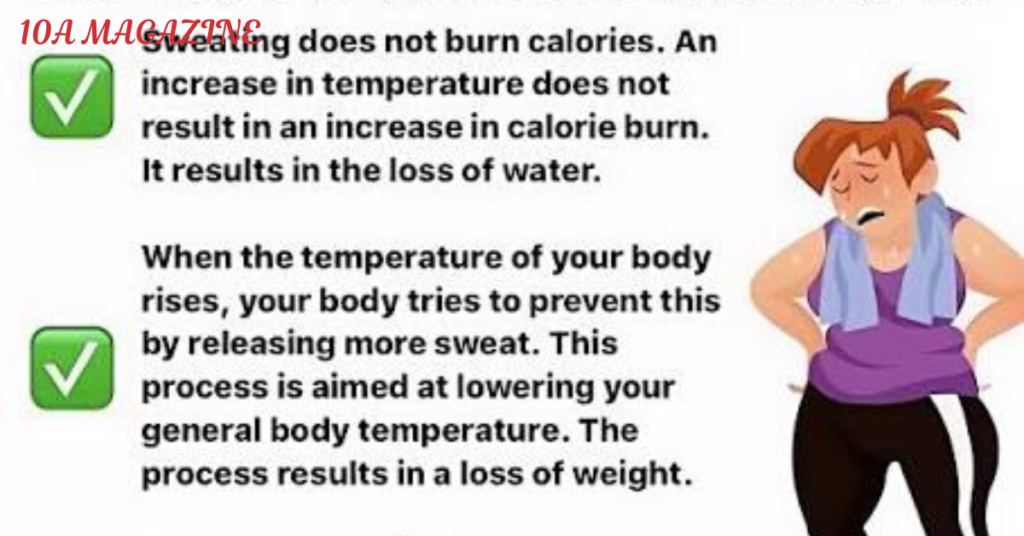
Sweating is not a fat-burning process. It’s a cooling system.
When your body heats up, your brain signals your sweat glands to release fluid. That fluid evaporates off your skin and pulls heat away with it. It’s basically your own built-in air conditioner, and a surprisingly efficient one.
You sweat during workouts. You sweat in hot weather. Some people even sweat from spicy food or a nerve-wracking job interview. None of these situations mean your body is torching fat behind the scenes.
So, Does Sweating Burn Calories?
Technically, yes, a little. Your body does spend a small amount of energy producing sweat and pumping blood to your skin to cool you down.
But “a little” is the key phrase here. According to <a href=”https://www.healthline.com/health/does-sweating-burn-calories” target=”_blank” rel=”noopener”>Healthline</a>, sweating does not burn a measurable or meaningful number of calories on its own. The real calorie burn comes from whatever activity is making you sweat in the first place, not the sweat itself.
Think of sweat like exhaust smoke from a car. It tells you the engine is running. It’s not what’s actually burning the fuel.
Where the “Sweat = Calories” Myth Comes From
This myth sticks around because of one sneaky thing: the bathroom scale.
After a hard workout or a session in the sauna, you might step on the scale and see a lower number. That feels like proof.
It isn’t.
That drop is water weight, not fat loss. Once you rehydrate, the number climbs right back up. Wrestlers and jockeys have used this trick for decades to “make weight” before competitions, and it has nothing to do with actual fat loss.
The Bikram Yoga Reality Check
Hot yoga studios love to advertise huge calorie burns because you sweat buckets during class. Some claims throw around numbers like 1,000 calories per hour.
The real research says otherwise. A study on Bikram yoga found that in a 90-minute class, women burned around 330 calories on average, and men burned around 460 calories. That’s roughly the same as a brisk one-hour walk, minus the dramatic sweat towel at the end.
What Actually Burns Calories
If sweat isn’t the hero here, what is?
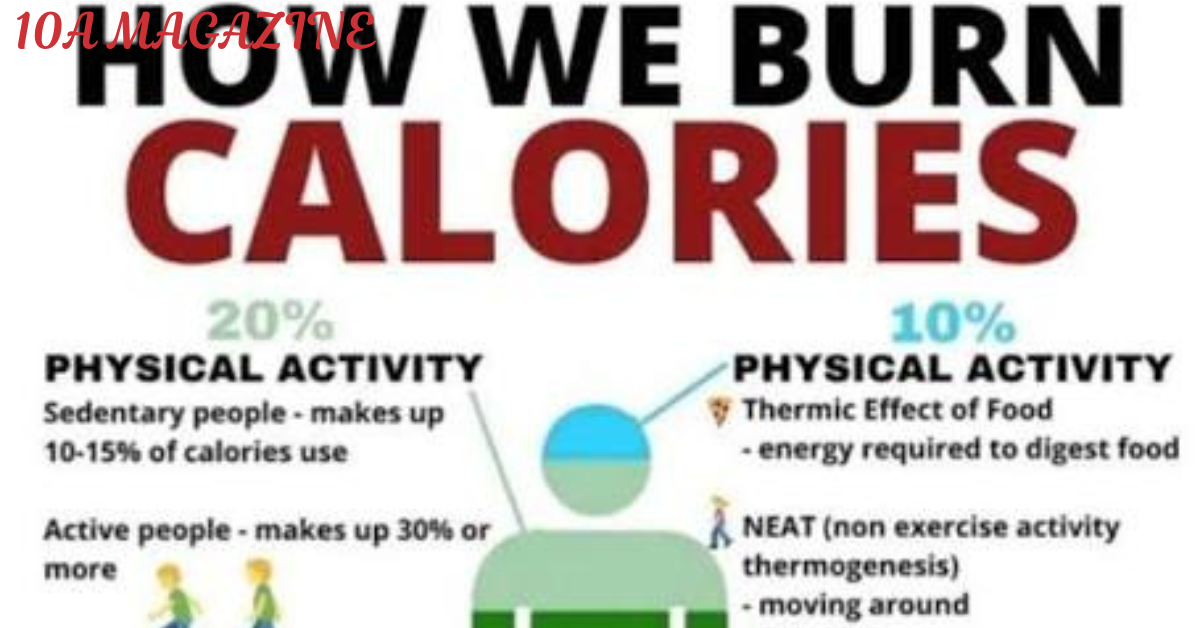
Muscle activity. Every time your muscles contract, they use energy. More effort, more contractions, more calories burned.
Workout intensity and duration. Research summarized by the <a href=”https://www.acefitness.org/” target=”_blank” rel=”noopener”>American Council on Exercise (ACE)</a> points out that calorie burn depends mainly on how hard and how long you exercise, not on how much you sweat while doing it.
Body size and fitness level. Larger bodies use more energy to move, so they often burn more calories doing the same activity. Ironically, fitter people tend to sweat sooner because their cooling systems are more efficient, even though they might be working just as hard as a beginner.
That’s the funny part. The person sweating the least in your gym class might be burning just as many calories as the one who looks like they just stepped out of a shower.
Low-Sweat Workouts That Still Burn Calories
Some of the best calorie-burning activities barely make you sweat at all:
- Swimming in cool water
- Lifting weights in an air-conditioned gym
- Brisk walking on a cold morning
- Cycling with a fan blowing on you
Cold air speeds up sweat evaporation and keeps your skin dry, but your muscles are still working just as hard underneath. Sweat is not a scoreboard. It’s just weather for your skin.
Can Sweating Help You Lose Weight at All?
Only temporarily, and only in the water-weight sense.
To actually lose weight, you need a calorie deficit, meaning you burn more calories than you consume. Roughly 3,500 calories equal about one pound of body fat, based on estimates commonly cited by health organizations, including guidance discussed by <a href=”https://www.health.harvard.edu/staying-healthy/calorie-counting-made-easy” target=”_blank” rel=”noopener”>Harvard Health Publishing</a>.
Sweating out water weight might shift the scale for a day. It won’t shift your body composition. Real fat loss takes consistent movement and a reasonable diet, not a plastic sauna suit.
The <a href=”https://www.acsm.org/” target=”_blank” rel=”noopener”>American College of Sports Medicine</a> recommends healthy adults aim for about 30 minutes of moderate-intensity exercise, enough to break a light sweat while still holding a conversation, five days a week. Notice that the goal is consistency, not maximum sweat output.
When Sweating Signals Something Else
Sometimes sweating has nothing to do with exercise or heat at all.
Excessive, unexplained sweating can be linked to a condition called hyperhidrosis, or in some cases, underlying issues like thyroid problems. If you’re sweating heavily without any obvious trigger, it’s worth mentioning to a doctor rather than guessing.
On the flip side, healthy sweating during exercise is actually a good sign. It usually means your body is regulating temperature the way it should.
The Hidden Perks of Sweating
Even though sweat doesn’t burn fat, it’s not pointless. A good sweat session comes with real side benefits:
Better circulation. Physical activity that makes you sweat also gets blood moving, which helps deliver oxygen and nutrients to your skin.
A workout intensity gauge. Sweating can be a rough signal that you’re working at a decent intensity, though it’s not a perfect one since heat and humidity change how much you sweat too.
Stress relief. Working out hard enough to sweat often triggers a mood boost thanks to increased blood flow and endorphin release.
Just don’t confuse feeling sweaty with the workout actually being effective. A slow walk on a humid day can leave you drenched without burning much more than a walk in cool weather.
Staying Safe While You Sweat
Sweating a lot means losing fluids, and fluids need replacing.
A simple rule many trainers use: drink roughly a pint of water for every pound of sweat lost during exercise. Don’t wait until you feel thirsty, since thirst usually shows up after you’re already a bit dehydrated.
Watch for warning signs like dizziness, confusion, or a rapid heartbeat during intense heat or exercise. These can point to heat exhaustion, which needs immediate attention.
The Bottom Line
So, does sweating burn calories? A tiny, forgettable amount, yes. But sweat itself is not the reason your workout is effective.
The real calorie burn comes from your muscles working, your heart pumping, and your body doing the actual labor of exercise. Sweat is just the receipt, not the purchase.
Next time you finish a workout drenched, don’t judge your effort by your shirt. Judge it by how hard you actually pushed.
Quick FAQ
Does sweating a lot mean you’re burning more fat? No. Sweat volume depends on genetics, temperature, humidity, and fitness level, not fat loss.
Can I lose weight just by sweating in a sauna? Only water weight, and it returns as soon as you rehydrate.
Is it bad to sweat a lot during workouts? Not usually. It’s a normal cooling response, though heavy sweating means you need to drink more water.
Suggested Free Stock Images (royalty-free, safe to use)
- Pexels sweat and workout photos: https://www.pexels.com/search/sweating%20workout/
- Unsplash gym and sweat photos: https://unsplash.com/s/photos/sweating
- Pixabay fitness and hydration photos: https://pixabay.com/images/search/sweat%20fitness/
All three sites offer free images under their respective free-to-use licenses; check each photo’s specific license before publishing.
A Note on the Instagram Link
I wasn’t able to find or verify a real, currently active Instagram post that specifically covers this topic, and I don’t want to hand you a broken or fabricated link. If you’d like, share a Reel or post you already have in mind (yours or a fitness page you trust), and I’ll help you embed it naturally into the article. Alternatively, I can help you draft a short Instagram caption to promote this exact article once it’s published.