


Is Fabletics Fast Fashion? Let’s Cut Through the Marketing Noise
You’ve seen the leggings. You’ve seen Kate Hudson doing yoga in them. And you’ve probably seen that irresistible offer two pairs of leggings for $24. Then comes the quiet monthly charge, and suddenly you’re Googling: is Fabletics fast fashion?
Fair question. And you deserve a straight answer not one wrapped in PR fluff.
The short answer? Yes, Fabletics is widely considered a fast fashion brand. But the longer answer is more nuanced, and that’s where things get interesting.
Let’s break it all down with real facts, verified sources, and zero sugarcoating.
What Even Is Fast Fashion? (Quick Refresher)
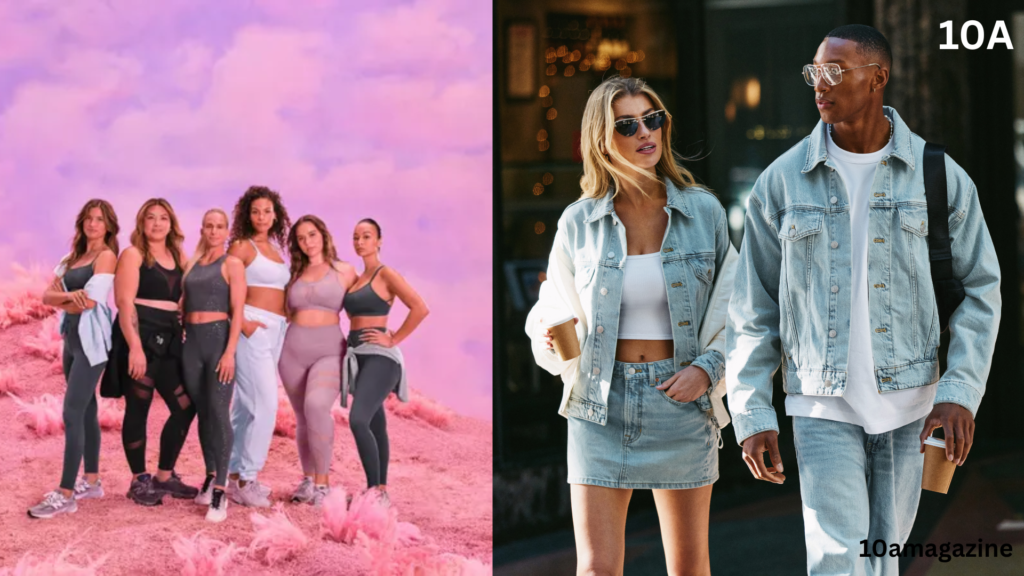
Fast fashion refers to brands that produce large volumes of trendy clothing quickly and at low prices. They cycle through collections rapidly, encourage frequent purchases, and typically prioritize scale over sustainability or ethical production.
Think Shein, Zara, H&M that crowd.
The question is: where does Fabletics fit in?
So, Is Fabletics Actually Fast Fashion?
Multiple independent sources say yes.
According to Good On You, a leading ethical fashion rating platform, Fabletics follows an unsustainable fast fashion model due to its heavy discounts and aggressive marketing practices.
The Commons Earth puts it more bluntly: Fabletics continually overproduces products, incentivizes overconsumption, and creates excess waste. It releases new items weekly and runs a membership model built around monthly orders.
And Sustainoverse notes that Fabletics operates on a 4–6 week production cycle from design to sale significantly faster than traditional apparel brands that plan collections months ahead.
That’s fast fashion math, plain and simple.
The VIP Membership Model: Clever or Concerning?
Here’s where Fabletics gets interesting and a little tricky.
Fabletics built its business on what’s called a negative option billing model. Sign up as a VIP, get massive discounts, and then if you don’t click “Skip the Month” between the 1st and 5th of each month you’re charged a monthly fee (around $59.95–$69.95 in the US as of 2025), which converts into store credit.
As Fabletics’ own website explains, you can skip as many months as you want and still retain your VIP benefits. But the model’s design clearly counts on many people forgetting to skip.
This approach is intentional. Constant new drops, member-exclusive deals, and monthly urgency keep customers in a purchase loop. That loop is the engine of fast fashion.
The good news? If you know how to play the game, it can genuinely save you money. The bad news? That game is designed to keep you buying more than you probably need.
How Does Fabletics Compare to Shein or Patagonia?
Fabletics sits in the middle of the fashion ethics spectrum and that’s being fair about it.
It’s not Shein, which releases thousands of new SKUs daily and has faced serious human rights scrutiny. But it’s also nowhere near Patagonia or Girlfriend Collective, which build their entire identity around transparency, repairability, and climate accountability.
As FashionXmart summarizes: Fabletics is best described as “fast fashion-inspired activewear.” It has higher quality materials than your average throwaway trend brand, but it hasn’t broken out of the fast fashion model in any meaningful structural way.
That’s a fair read.
The Labor Controversy You Should Know About
This one’s important, and it’s backed by credible reporting.
In 2021, Time Magazine published an investigation into one of Fabletics’ manufacturing partners the Hippo Knitting factory in Lesotho, Africa. Thirty-eight workers, most of them women, alleged sexual harassment, physical abuse, humiliation, and unsafe working conditions.
Fabletics suspended operations there on May 3, 2021. Then, three months later, quietly resumed production — this time with a stated plan to improve conditions, including a new anti-intimidation policy and grievance procedures.
As RapidWhys notes, this incident exposed the real risk that comes with poor supply chain oversight. Ethical production demands consistent monitoring, fair wages, and genuine transparency all of which remain unclear in Fabletics’ case.
You can draw your own conclusions. But you should at least have the full picture.
What About Fabletics’ Sustainability Efforts?
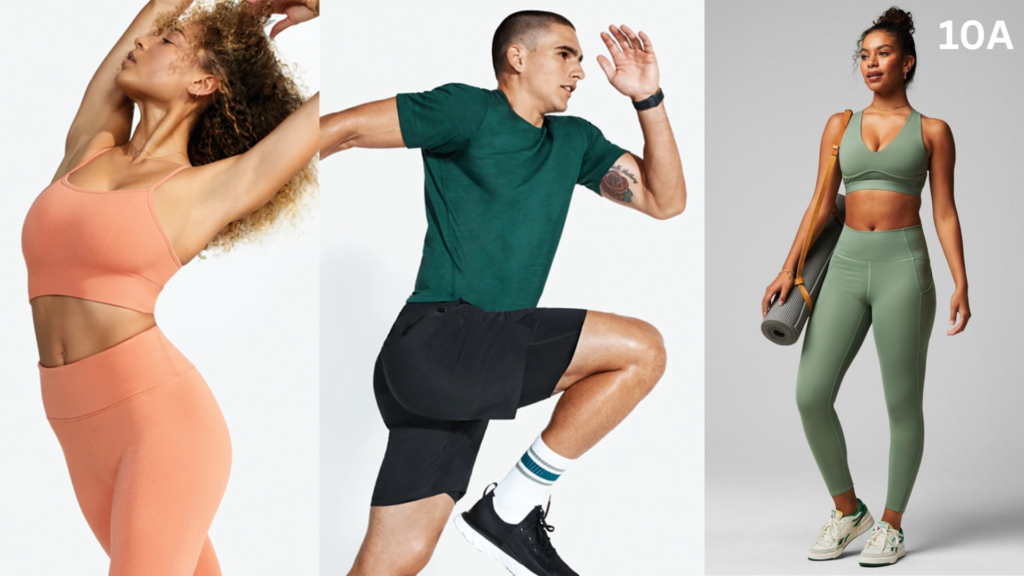
To be fair, Fabletics has made some genuine moves here.
According to Fabletics’ own corporate sustainability page, the brand achieved CarbonNeutral certification in 2021. They’ve partnered with Repreve®, a brand that turns recycled plastic bottles into fabric. They also claim that 50% of their core fabrics are now made from sustainable materials.
Additionally, they’ve partnered with ThredUP, one of the world’s largest online thrift stores, giving customers an option to resell used clothing rather than tossing it.
Packaging has also improved. According to Digital Commerce 360, Fabletics now uses 100% recycled plastic or FSC-certified materials for most of its packaging.
These are real steps. And they deserve acknowledgment.
But Here’s What’s Still Missing
For all the sustainability claims, significant gaps remain.
As Apart Style points out, Fabletics has no public supplier list, no living wage commitment, and no third-party certifications from organizations like Fair Trade. Without those, its ethical claims are impossible to independently verify.
DoneGood adds that while some Fabletics products use recycled polyester and the brand has partnered with Bluesign-certified suppliers, the overall percentage of genuinely sustainable materials across their full catalog remains modest. Most items still rely on petroleum-based synthetic fabrics.
And then there’s the elephant in the room: Fabletics releases new collections for women every week. Monthly for men. That constant churn of newness hundreds of new SKUs entering the market every year is a structural hallmark of fast fashion, regardless of what the packaging is made from.
The Quality Question: Do Fabletics Clothes Actually Last?
Here’s something refreshing to note: unlike pure fast fashion brands, Fabletics clothing tends to hold up.
Multiple reviewers including long-term users at The Atlas Heart note that Fabletics leggings survive years of regular use. They’re soft, functional, and durable. That’s genuinely more than you can say for disposable fashion.
The irony is that good quality clothing used for years is actually the most sustainable consumer choice. If you buy Fabletics and wear those leggings for three years straight, you’ve already done better than buying cheap activewear every six months.
So the brand sits in an odd spot: fast fashion behaviors with slower-fashion durability. It’s complicated.
Is Fabletics Growing or Slowing Down?
It’s definitely growing. Fast.
According to Glossy, Fabletics entered wholesale channels including Nordstrom for the first time in 2025, expanded into seven international markets, and is planning at least 20 new US store openings.
Digital Commerce 360 projects TechStyle Fashion Group’s total web sales will reach $1.60 billion in 2025.
This is a brand scaling aggressively which makes sustainability promises even more critical to watch. Growth and ethical production need to move together, not in opposite directions.
Should You Buy From Fabletics? (Honest Take)
Here’s where we land:
Buy from Fabletics if:
- You need durable, functional activewear at a reasonable price
- You’re disciplined enough to use the Skip the Month feature and not over-buy
- You accept that it’s not a sustainable brand, and shop mindfully anyway
Think twice if:
- You’re trying to build a fully ethical, slow-fashion wardrobe
- The subscription model makes you nervous (that’s a valid instinct)
- You want complete supply chain transparency before spending
The brand isn’t evil. It’s also not a sustainability hero. It’s a mid-tier activewear company that happens to use fast fashion mechanics and that’s worth knowing before you sign up.