


Is Uniqlo Fast Fashion? Let’s Actually Answer That
Everyone has an opinion. Some people swear Uniqlo is the smarter, cleaner alternative to Zara and H&M. Others say it is just fast fashion wearing a minimalist mask. The truth, as always, is somewhere in the middle and far more interesting than either camp admits.
Let’s break this down properly. No fluff, no bias, just facts from verified sources.
What Is Fast Fashion, Really?
Before we judge Uniqlo, we need a clear definition. Fast fashion refers to brands that produce inexpensive, trendy clothing quickly and at massive scale. The goal is simple: get the latest styles on shelves fast, sell them cheap, and move on to the next trend. Think weekly new drops, disposable quality, and zero long-term commitment to your wardrobe.
Brands like Shein, Zara, and H&M fall firmly in this category and most people don’t dispute that. But Uniqlo? That’s where things get complicated.
A Quick Background on Uniqlo
Uniqlo was founded in 1984 in Hiroshima, Japan, under the name “Unique Clothing Warehouse.” Today, it operates as the flagship brand of Fast Retailing, a Japanese retail holding company that also owns GU, Theory, and J Brand.
As of late 2024, Uniqlo was operating 2,509 stores globally, with over 1,000 of those in mainland China, Hong Kong, and Taiwan alone. The brand has also broken into the ranking of the 100 most valuable brands in the world in 2025, sitting sixth among fashion brands behind Louis Vuitton, Hermès, Nike, Chanel, and Zara with a brand value of $17.7 billion.
That is not a small, cozy Japanese brand quietly making turtlenecks. That is a global fashion giant.
The Case FOR Calling Uniqlo Fast Fashion
Let’s be honest about the numbers. At that scale, some overlap with fast fashion is unavoidable.
1. Massive production volume
Uniqlo produces millions of clothing units annually. Even if each garment is better made than a Shein haul, the sheer production scale puts it in fast fashion territory by output, if not by philosophy. Critics note that with thousands of stores and rapid expansion, Uniqlo operates on a scale similar to H&M and Zara.
2. Low prices still require trade-offs
A $15 T-shirt or a $30 HeatTech top sounds great but affordable prices on a global scale almost always mean cost-cutting somewhere in the supply chain. Uniqlo sources much of its production from countries where labor laws are less strictly enforced, including Vietnam, Bangladesh, and China.
3. The Xinjiang controversy
This one is big and cannot be skipped. In 2021, U.S. Customs and Border Protection blocked a shipment of Uniqlo shirts, suspecting they were made with cotton from the Xinjiang Uyghur Autonomous Region an area associated with forced labor allegations involving the Uyghur population. Uniqlo was unable to provide full supply chain transparency for those products, and the shipment was not released.
Later in 2024, Uniqlo’s chairman Tadashi Yanai publicly told the BBC that the company does not source cotton from Xinjiang. That statement caused Fast Retailing’s stock to drop 4.5% because Greater China accounts for over 20% of the company’s revenue. One honest statement, and the stock market flinched. That tells you how tangled global supply chains really are.
4. Animal welfare gaps
According to Good on You, a trusted ethical fashion rating platform, Uniqlo rates “Not Good Enough” on animal welfare due to its use of leather, exotic animal hair, and silk. These are not the hallmarks of an ethical, slow-fashion brand.
The Case AGAINST Calling Uniqlo Fast Fashion
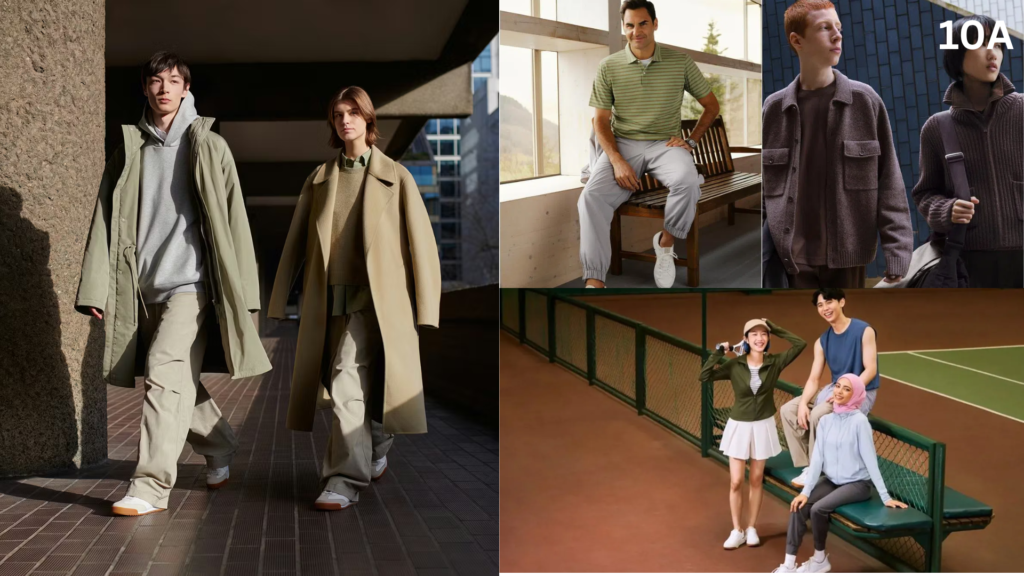
Now here’s the other side and it is genuinely compelling.
1. Fewer seasonal collections
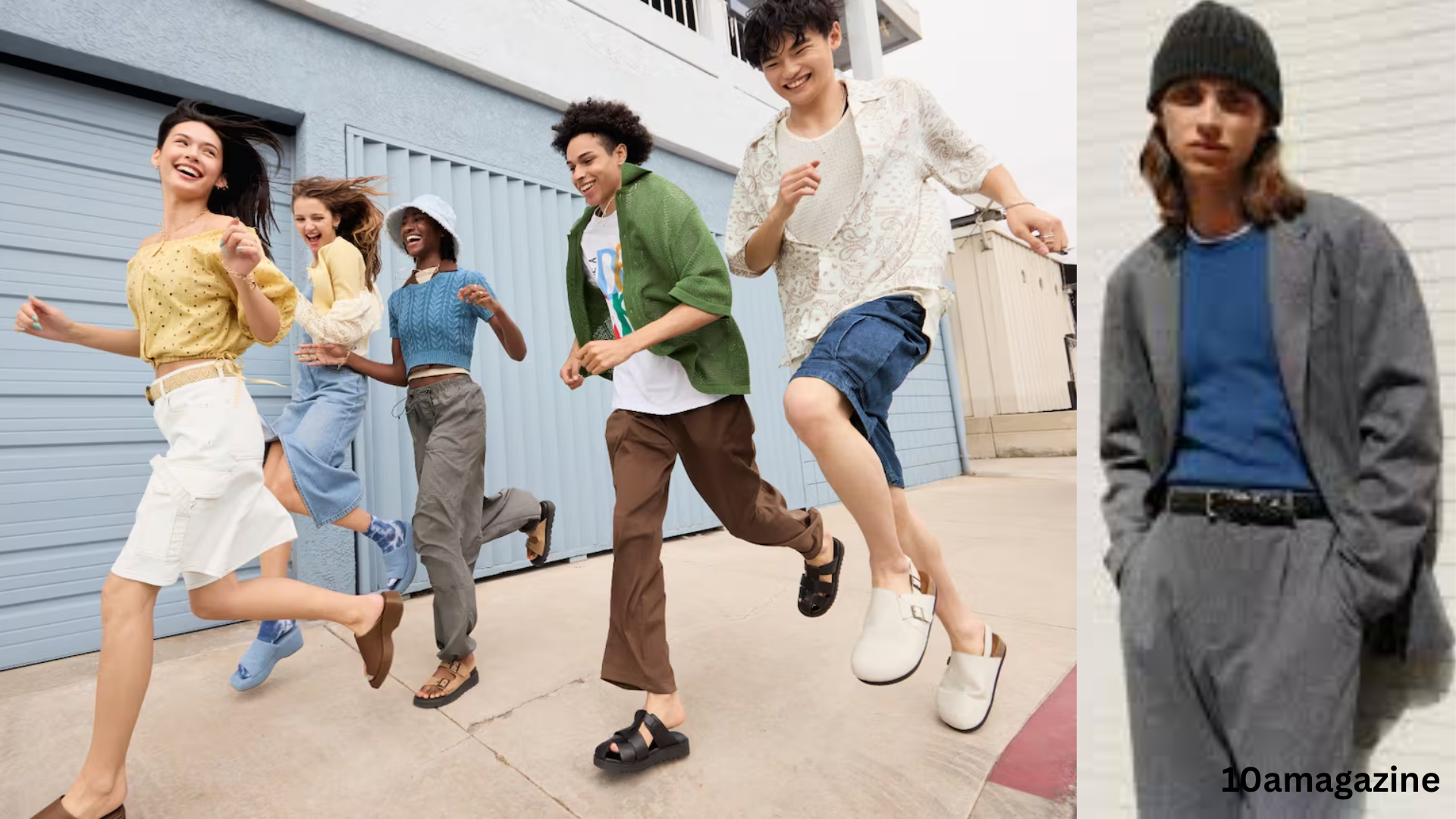
Unlike Zara, which drops new styles almost weekly, Uniqlo operates on far fewer collections per year. Its entire model is built around timeless basics, not chasing trends. You will not find Uniqlo stocking micro-trend pieces for a single viral moment.
2. The LifeWear Philosophy
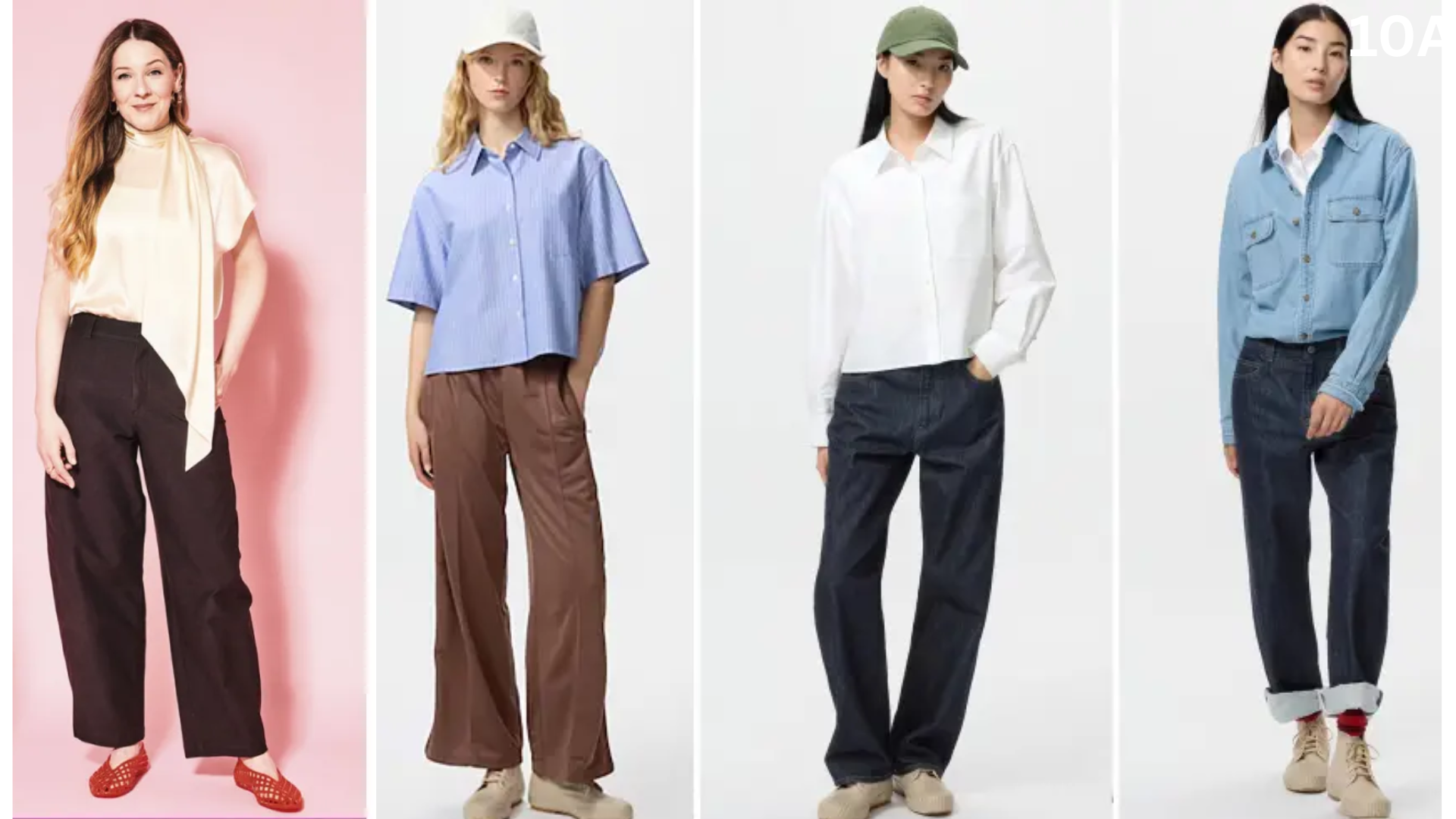
Uniqlo’s central brand concept is LifeWear clothing designed to improve everyday life through simplicity, function, and durability. The brand’s 2025 Integrated Report emphasizes timeless, durable items from quality materials as the core of LifeWear. This is almost the direct opposite of fast fashion’s throw-away culture.
3. Technology investment, not trend-chasing
Uniqlo spends real money on fabric technology. HeatTech, AIRism, and Ultra Light Down are proprietary innovations not cheap imitations of runway trends. That’s a fundamentally different approach from Shein or early H&M.
4. High-end designer collaborations
Uniqlo is the only fast fashion brand of its scale to develop genuine partnerships with critically respected high fashion designers. Christophe Lemaire has overseen Uniqlo U since 2016. Clare Waight Keller who previously led Chloé and Givenchy became Uniqlo’s overall creative director in September 2024. These are not influencer collabs. These are serious fashion partnerships.
5. The RE.UNIQLO program
Uniqlo runs a global clothing take-back program called RE.UNIQLO, operating in over 30 in-store locations across 13 markets. The program promotes repair, remake, and reuse not disposal. This is the kind of initiative genuine slow-fashion brands run.
What Does the Data Say About Uniqlo’s Sustainability?
Let’s look at verified targets, not marketing copy.
According to Uniqlo’s official sustainability goals page, as of November 2025:
- The target for use of lower-impact materials has been raised from 20% to 30%
- In 2024, the ratio of products using recycled materials increased from 8.5% to 18.2%
- For polyester specifically, recycled polyester usage jumped from 30% to 47.4% of total polyester used
- Fast Retailing has set a target for carbon neutrality by 2050, aligned with the Paris Agreement
- The female management ratio reached 32% as of August 2025
These are real, documented targets with measurable progress. That is more than most “sustainable” brands offer.
That said — targets are not the same as results. And 2030 is still several years away.
So, Is Uniqlo Fast Fashion? Here’s the Honest Verdict
Uniqlo is not fast fashion in the way Shein or early Zara is. It does not chase micro-trends, it does not release new collections every week, and it genuinely invests in fabric technology and product durability.
But Uniqlo is also not slow fashion or a sustainable ethical brand. It produces at massive global scale, has faced real supply chain transparency failures, and still has significant work to do on animal welfare and labor accountability.
The most accurate label? “Mid-fashion” or what Good on You describes as a brand that is making a start, but has not gone far enough to earn a fully sustainable rating.
As Highsnobiety’s in-depth brand analysis puts it, Uniqlo’s cultural image is one of “broad praise” but the facts behind the brand are more complicated than the clean store design suggests.
Uniqlo is better than fast fashion. But “better than Shein” is an extremely low bar.
Uniqlo vs. Fast Fashion Brands: A Quick Comparison
| Factor | Uniqlo | Zara / H&M | Shein |
|---|---|---|---|
| New collections per year | Few | Very frequent | Constant (daily) |
| Price point | Low–Mid | Low | Very low |
| Technology investment | High | Low | Very low |
| Designer collaborations | Yes | Occasional | Rare |
| Sustainability targets | Documented | Mixed | Minimal |
| Supply chain transparency | Incomplete | Incomplete | Very low |
| Animal welfare rating | Not Good Enough | Varies | Poor |