


Introduction: Why Fashion Style 2017 Still Matters
Let’s be honest 2017 was a weird, wonderful, slightly chaotic year for fashion.
We saw people wearing hoodies around their necks like scarves. Luxury brands started putting chunky ugly sneakers on runways and charging $650 for them with a completely straight face. And somehow, the fanny pack yes, that fanny pack made a genuine, unironic comeback.
But behind all the quirks, fashion style 2017 was doing something important. It was breaking the rules. It was pushing against the idea that “proper” dressing had one single definition. And many of those rebellious choices? They shaped how we dress today.
This article walks you through the biggest trends, the cultural moments, and the style lessons from 2017 all backed by credible sources, real data, and zero fluff.
The Big Picture: What Was Fashion Style 2017 All About?
To understand 2017 fashion, you need to understand the mood of the year.
It was political. It was maximalist. It was street-influenced and culture-driven. As CBC Radio’s fashion contributor Mosha Lundström Halbert noted, 2017 brought “the beginning of a new era in the fashion world,” alongside the rising politics of fashion and a growing push toward conscious consumption.
Fashion in 2017 was no longer just about looking good. It was about saying something.
And people celebrities, street style stars, everyday dressers they were very much in the mood to say something loud.
Top Fashion Trends of 2017
1. Oversized Everything The Bigger, the Better
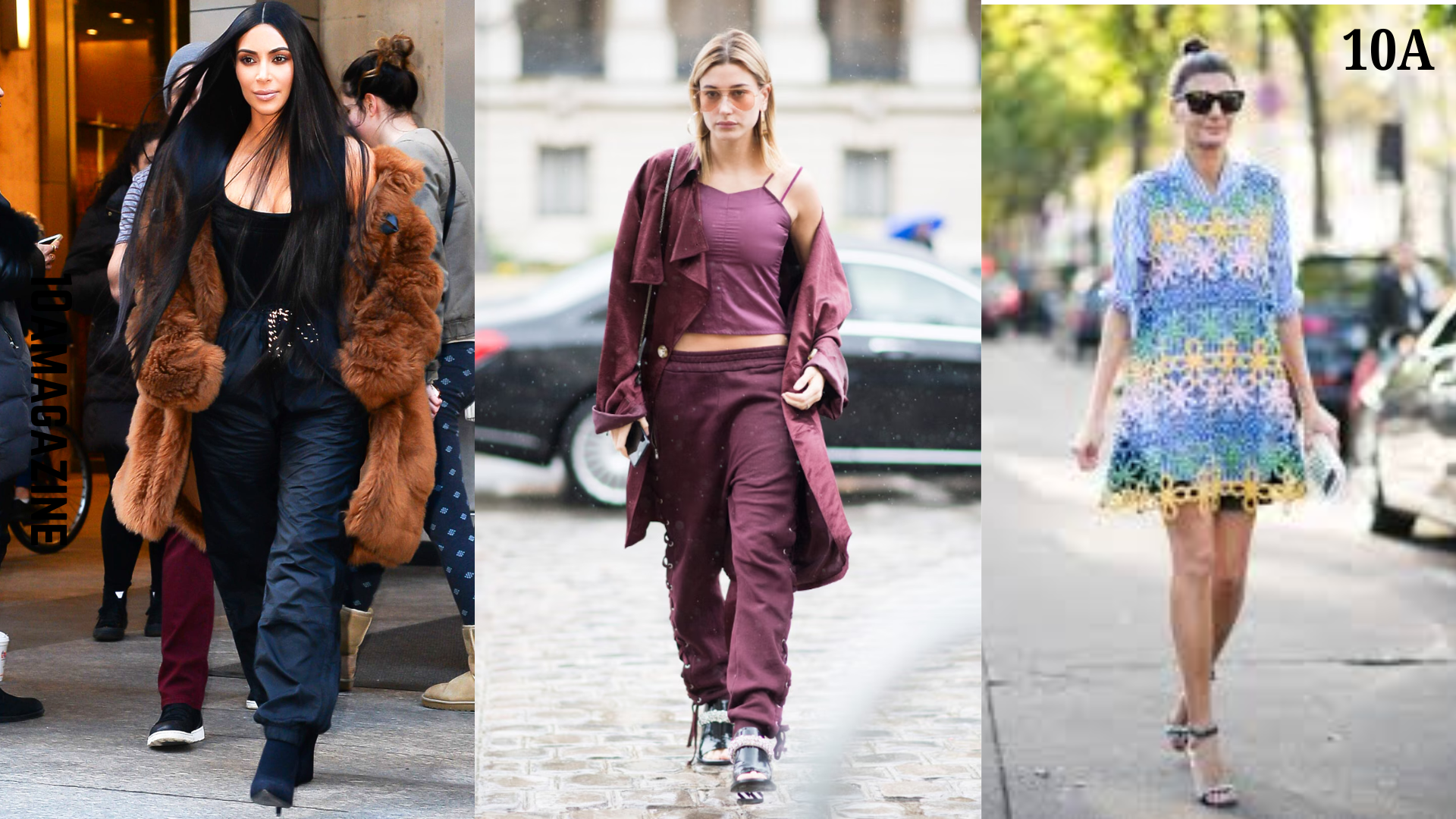
If you had to pick one word to describe 2017 fashion style, “oversized” would win by a landslide.
Hoodies dangling from necks. Jackets worn off-shoulder. Shirts half-tucked. Sweaters tied around torsos. As Hypebeast’s 2017 trend roundup observed, “the proper way to wear clothes in 2017 was improper.”
Balenciaga led the charge here and they were, frankly, the most gloriously weird offender. Their oversized silhouettes sent fashion editors into a spin, but the streets ate it up immediately. What started on the runway filtered down quickly to high street brands and everyday wardrobes.
Why did this trend take hold? It was partly rebellion against the skin-tight aesthetic of previous years. Partly comfort. Partly streetwear’s growing influence on mainstream fashion. Either way, you didn’t need to be a fashion insider to feel the shift you just had to open Instagram.
2. The Ugly Sneaker Era Begins
This one needs a moment of respect.
In January 2017, Vetements released a $650 version of Reebok’s Instapump Fury clunky, chunky, and deliberately graceless. According to Quartz, industry forecaster WGSN’s Brian Trunzo said this moment “seemed to reach an inflection point” for the ugly sneaker trend.
Balenciaga’s Triple S followed soon after. Suddenly, the uglier the shoe, the more desirable it became.
This wasn’t an accident. Designers understood that shock value sells in the social media age. If your shoes make someone stop and stare whether in admiration or horror you’ve already won.
The ugly sneaker trend of 2017 proved that fashion doesn’t always have to be beautiful. Sometimes it just needs to be interesting.
3. Athleisure Goes Mainstream
Athleisure wasn’t born in 2017, but 2017 is the year it officially moved out of the gym and into everyday life.
As the Fox News lifestyle roundup for 2017 noted, the “rise of athleisurewear” was one of the year’s defining fashion moments. People started pairing leggings with blazers, wearing joggers to brunch, and treating sports luxe as an actual style category.
The numbers back this up. Research published by ScienceDirect noted that the global athleisure market was already valued at over $44 billion in 2017, with sales growing exponentially even as the broader apparel market stagnated.
That’s not a trend that’s a shift in how humans think about clothing.
4. Glitter and Shine Maximalism in Full Effect
Forget understated. In 2017, the motto was: if it doesn’t sparkle, does it even exist?
As The Hollywood Reporter pointed out, glitter and crystal-covered everything became “appropriate for even the most laid-back occasions.” Kendall Jenner showed up to an LA Clippers basketball game in $10,000 sequined Saint Laurent boots. That’s the energy 2017 was working with.
Designer Michael Halpern built an entire collection on sequin-and-feather combinations, and the red carpets of 2017 were essentially a competition of who could reflect the most light.
Some called it excessive. Others called it joyful. Both were correct.
5. The Fanny Pack Resurrection
Nobody saw this coming. Nobody.
The fanny pack long the punchline of tourist-in-Disneyland jokes made a full, serious, high-fashion comeback in 2017. As The Hollywood Reporter noted, Chanel, Gucci, and Louis Vuitton all gave the “butt bag” new life, and street style stars invented fresh ways to wear it as a shoulder bag, a crossbody, or simply buckled across the chest.
Credit to the stylists who never gave up on the fanny pack. They knew. They always knew.
6. Soccer Scarves as Fashion Statements
Sports fan culture collided head-on with luxury fashion in 2017. Soccer scarves thick, colorful, logo-heavy became one of the season’s most unexpected accessories.
According to Hypebeast, brands like Gosha Rubchinskiy (with adidas Football), Balenciaga, Vetements, and Y/Project all created statement scarf pieces that reflected 2017’s maximalist energy and its obsession with bold branding.
It sounds ridiculous on paper. On the runway and street, it actually worked.
7. Bare Shoulders 2017’s Signature Move
Cold shoulder tops, Bardot necklines, off-shoulder blouses 2017 declared war on the covered shoulder.
As Gulf News’ trend roundup described it, bare shoulders were so ubiquitous that “we’ve deemed 2017 the year of exposing the shoulder.” The trend appeared in everything from high-street fast fashion to luxury collections, and it gave a slightly provocative edge to even the most casual outfits.
8. The Return of Gingham
Simple, clean, and unexpectedly chic gingham made a quiet comeback in 2017.
W Magazine’s 2017 fashion highlights noted that the “cool, micro-check pattern” became the defining print of the year for casual summer dressing. Celebrities like Camilla Belle, Sarah Paulson, and Sienna Miller all embraced it at high-profile events, pulling gingham out of its “picnic tablecloth” reputation and firmly into fashion territory.
9. Feminist T-Shirts Fashion Gets Political
2017 was a politically charged year globally, and fashion reflected that.
According to The Hollywood Reporter, feminist slogan tees became the go-to garment for women making a statement without saying a word. From Dior’s “We Should All Be Feminists” shirt to countless independent brand iterations, the message tee had never carried more cultural weight.
Fashion, often criticized for being shallow, suddenly had something to say.
10. Logomania Branding as Identity
Quiet luxury had no place in 2017. That year belonged to logos big, bold, unavoidable logos.
Gucci revived its classic double-G monogram. Louis Vuitton leaned into its iconic print harder than ever. Supreme’s box logo was everywhere streetwear touched. Fashion style 2017 treated brand identity as a statement in itself, blurring the line between clothing and advertising.
And honestly? People loved it.
Street Style 2017 The Real Fashion Show
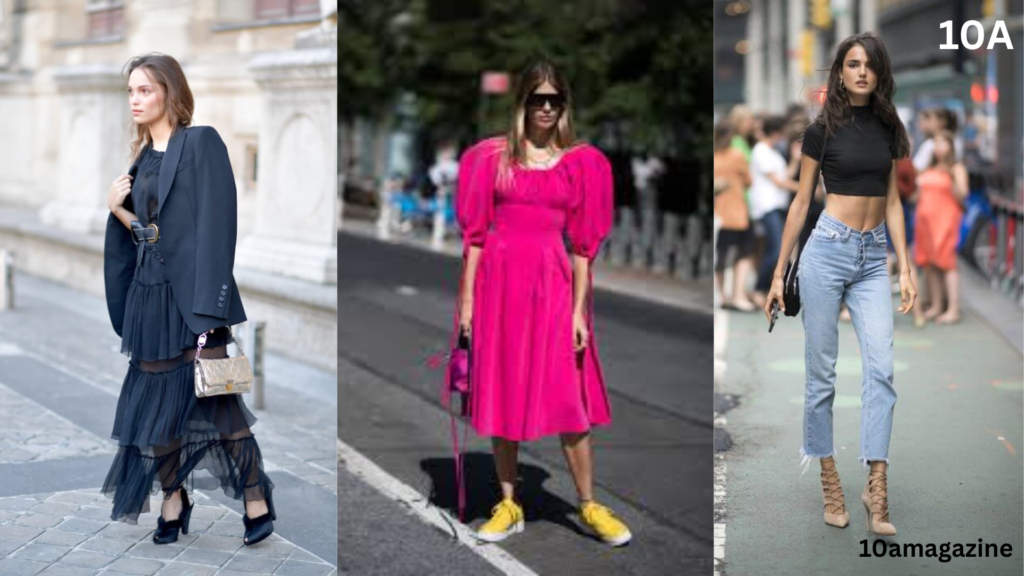
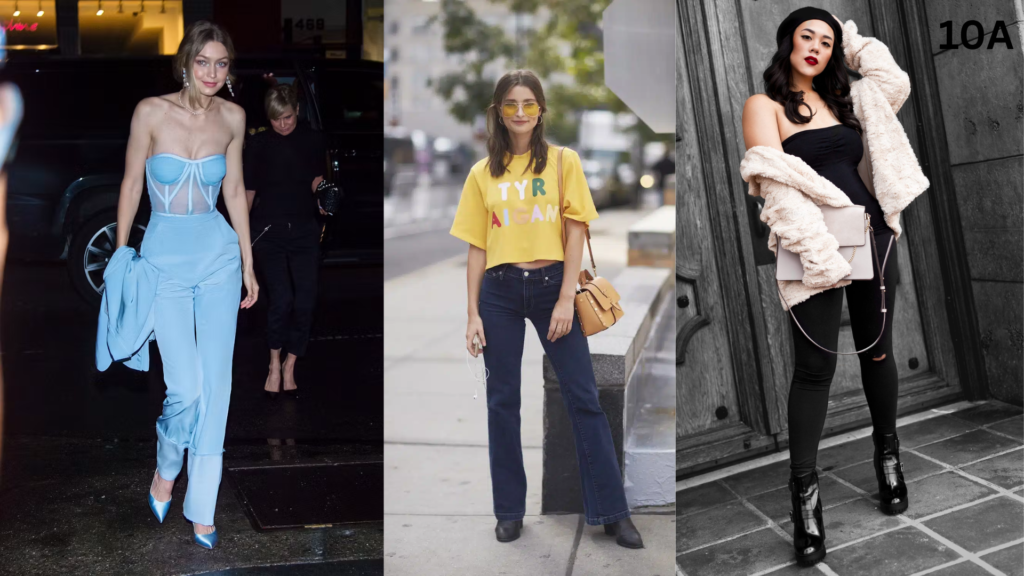
The runway is great, but street style 2017 is where things got truly interesting.
Cities like Paris, Milan, New York, and London turned into open-air fashion weeks during actual Fashion Week, as photographers and Instagram accounts documented how real people not just models wore the trends.
The key lesson from street style 2017: personality beats perfection. The looks that went viral weren’t necessarily the most expensive or technically correct. They were the ones with an attitude. A mismatched confidence. A “yes, I wore this on purpose” energy.
For great street style documentation from that era, check out Vogue’s Street Style archives and W Magazine’s fashion coverage.
The Cultural Forces Behind Fashion Style 2017
Fashion doesn’t exist in a vacuum. The style choices of 2017 were shaped by some very specific cultural forces.
Social media was now fully central to how fashion spread. Instagram wasn’t just a platform it was the runway. Brands designed for the ‘gram, and influencers made or broke trends in real time.
Streetwear’s rise meant that skate culture, hip-hop aesthetics, and sportswear references were no longer relegated to sub-cultures. They were fashion’s main language.
Political climate pushed designers and consumers alike to make statements through clothing. What you wore in 2017 said something about who you were and what you believed.