



Introduction
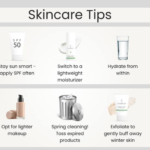
Healthy skin starts with understanding what your skin needs rather than following every beauty trend you see online. A simple, consistent skin care routine can help maintain moisture, protect against environmental damage, and improve the appearance of common concerns such as dryness, uneven texture, and breakouts. The good news is that you do not need an expensive collection of products to care for your skin effectively.
Whether you have oily, dry, combination, or sensitive skin, choosing suitable products and using them correctly can make a meaningful difference. Cleansing, moisturizing, and applying sunscreen are the foundations of a practical daily routine. In this guide, you will learn how to build a skin care routine, select ingredients for your skin type, avoid common mistakes, and make informed choices for healthier-looking skin.
Why Is Skin Care Important?
Your skin is the body’s largest organ and serves as a protective barrier against external irritants, microorganisms, and moisture loss. A suitable skin care routine supports this natural barrier while helping your skin remain comfortable and resilient.
Daily habits matter just as much as the products you apply. Gentle cleansing removes excess oil, sweat, makeup, and dirt. Moisturizers help reduce water loss, while sunscreen protects against harmful ultraviolet (UV) radiation.
Consistent skin care may help with:
- Maintaining hydration and reducing flaky, tight skin.
- Supporting the skin barrier and improving comfort.
- Managing excess oil and some types of acne.
- Reducing the risk of premature skin aging caused by sun exposure.
- Improving the appearance of uneven skin tone and rough texture.
However, skin care products are not miracle treatments. Genetics, hormones, medications, climate, and underlying skin conditions can influence your results. The most effective approach is to choose products based on your individual needs and give your routine time to work.
Understand Your Skin Type
Before purchasing skin care products, identify how your skin usually feels throughout the day. Your skin type can change with age, weather, hormonal fluctuations, and other factors.
Oily Skin
Oily skin produces more sebum, which can create shine and contribute to clogged pores. Lightweight, non-comedogenic moisturizers and gentle cleansers are often good choices.
Look for products labeled oil-free when appropriate. Avoid aggressive scrubbing or repeatedly washing your face, as irritation can make your skin feel worse.
Dry Skin
Dry skin often feels tight, rough, or flaky. A creamy cleanser and a moisturizer containing ingredients such as glycerin, ceramides, or hyaluronic acid may help improve hydration.
Applying moisturizer while your skin is slightly damp can help retain moisture. Very hot showers and harsh soaps may worsen dryness.
Combination Skin
Combination skin typically has an oilier forehead, nose, and chin, with drier areas elsewhere. You may benefit from using a lightweight moisturizer across your face and applying richer products only to dry patches when needed.
Sensitive Skin
Sensitive skin may sting, burn, itch, or become red after exposure to certain products. Choose fragrance-free formulations and introduce new ingredients gradually.
If redness or irritation persists, consider consulting a dermatologist instead of continuing to experiment with multiple products.
Normal Skin
Normal skin generally feels comfortable without excessive oiliness or dryness. A gentle cleanser, moisturizer, and broad-spectrum sunscreen can help maintain its condition.
Remember that skin type and skin concerns are different. For example, someone with dry skin can also experience acne, and oily skin can still become dehydrated.
Build a Simple Daily Skin Care Routine
A good routine does not have to involve numerous steps. Start with the basics, then add targeted treatments only when you have a clear reason to use them.
Morning Skin Care Routine
1. Cleanse gently. Use a mild facial cleanser to remove overnight sweat, excess oil, and residue. If your skin is very dry or sensitive, a water rinse may sometimes be sufficient in the morning.
2. Apply a targeted product if needed. Depending on your concerns, you might use a suitable vitamin C serum or another well-tolerated treatment. This step is optional, not essential.
3. Moisturize. Choose a formula suited to your skin type. Ingredients such as glycerin, ceramides, and hyaluronic acid can help support hydration.
4. Finish with sunscreen. Apply a broad-spectrum sunscreen with SPF 30 or higher to exposed skin. Reapply approximately every two hours when outdoors, and more often after swimming or sweating, following the product instructions.
Sunscreen is one of the most important steps in a skin care routine because UV exposure contributes to sunburn, premature skin aging, and skin cancer.
Evening Skin Care Routine
Your nighttime routine focuses on removing the day’s buildup and supporting the skin barrier.
- Remove makeup and sunscreen: Use an appropriate makeup remover or cleansing product if needed.
- Wash your face: Choose a gentle cleanser that does not leave your skin feeling stripped.
- Apply treatment products: If you use an acne treatment, retinoid, or other active ingredient, follow its instructions and introduce it gradually.
- Moisturize: Apply a suitable moisturizer to help reduce moisture loss overnight.
You do not need to use every active ingredient at once. Combining too many exfoliating acids, retinoids, or acne treatments can cause irritation, redness, and peeling.
Skin Care Ingredients Worth Knowing
Understanding common skin care ingredients makes it easier to compare products and avoid buying items based solely on marketing claims.
Hyaluronic Acid
Hyaluronic acid attracts and holds water, helping skin appear more hydrated and temporarily plump. It is commonly used in serums and moisturizers and can suit many skin types.
Niacinamide
Niacinamide, a form of vitamin B3, can support the skin barrier and help improve the appearance of uneven skin tone and excess oil. Formulations vary, and higher concentrations are not automatically more effective.
Ceramides
Ceramides are lipids that help maintain the skin’s protective barrier. Moisturizers containing ceramides can be especially helpful for dry or barrier-impaired skin.
Salicylic Acid
Salicylic acid is an exfoliating ingredient often used in products for clogged pores and acne-prone skin. It may cause dryness or irritation, particularly when combined with other strong treatments.
Retinoids
Retinoids, including retinol, are used to address concerns such as acne, uneven texture, and signs of photoaging. They can cause dryness, irritation, and increased sensitivity during initial use.
Introduce them gradually and use sunscreen consistently. Topical retinoids should generally be avoided during pregnancy; consult a qualified healthcare professional about suitable alternatives.
Vitamin C
Vitamin C is an antioxidant ingredient used to help improve the appearance of uneven pigmentation and protect against oxidative stress. Product stability and formulation affect its performance, and some products can irritate sensitive skin.
Common Skin Care Mistakes to Avoid
Even well-intentioned routines can cause problems when products are used incorrectly.
Over-cleansing: Washing too frequently or using harsh cleansers may damage the skin barrier and worsen dryness or irritation.
Skipping sunscreen: Moisturizer and antioxidant serums do not replace broad-spectrum sun protection.
Trying several new products together: If irritation develops, it becomes difficult to identify the cause. Introduce products one at a time.
Exfoliating too often: Excessive use of scrubs or exfoliating acids can leave skin red, sore, or flaky. Start conservatively and reduce use if irritation occurs.
Following every social media trend: A product that works for one person may not suit another person’s skin type or concerns.
Expecting instant results: Hydration can improve quickly, but acne treatments and products targeting uneven pigmentation may take several weeks or longer to show noticeable results.
Patch-testing new products according to their instructions can help identify potential irritation, although it cannot guarantee that a product will never cause a reaction.
Natural Skin Care vs. Commercial Products
Natural skin care appeals to people who prefer simpler formulations or plant-derived ingredients. Commercial products, meanwhile, may offer carefully formulated combinations of moisturizing agents, antioxidants, and clinically studied active ingredients.
Neither category is automatically safer or more effective.
| Approach | Potential benefits | Possible drawbacks |
|---|---|---|
| Natural or plant-based products | May suit people who prefer particular ingredients | Essential oils and botanical extracts can trigger irritation or allergies |
| Commercial skin care products | Often provide targeted formulations and clearly specified concentrations | Some products may be expensive or contain ingredients that do not suit your skin |
| Minimalist routines | Easier to maintain and troubleshoot | May not address every specific skin concern |
The best choice depends on formulation, tolerance, evidence, and personal needs rather than whether a label says natural or premium.
How Lifestyle Habits Affect Skin Health
Skin care does not stop at the bathroom mirror. Everyday habits can influence hydration, irritation, and the overall appearance of your skin.
Eat a Balanced Diet
Include a variety of vegetables, fruits, whole grains, protein sources, and healthy fats. A balanced diet supports overall health, although no single food guarantees clear or glowing skin.
Drink Enough Water
Adequate hydration supports normal body function. Drinking excessive amounts of water will not automatically eliminate acne or erase wrinkles, so focus on meeting your body’s hydration needs.
Get Consistent Sleep
Sufficient sleep supports general health and may help your skin look less tired. Aim for a regular sleep schedule that allows you to feel rested.
Manage Stress
Stress can aggravate certain skin concerns, including acne and inflammatory conditions. Regular exercise, relaxing activities, and healthy routines may help manage stress levels.
Protect Your Skin Outdoors
Wear sunscreen, seek shade, and use protective clothing when appropriate. These habits are particularly important during prolonged outdoor activities and periods of strong sunlight.
When Should You See a Dermatologist?
Over-the-counter skin care products can help with many everyday concerns, but persistent or severe symptoms may require professional assessment.
Consider consulting a dermatologist if you experience painful or deep acne, persistent redness, severe itching, recurring rashes, or skin irritation that does not improve after stopping the suspected product.
Seek prompt medical attention for a changing mole, a new or unusual growth, a sore that does not heal, or another suspicious skin change. Rapid swelling or difficulty breathing following product exposure requires emergency care.
Professional advice is especially valuable when choosing treatments for ongoing skin conditions, during pregnancy, or when you take medications that may affect your skin.