

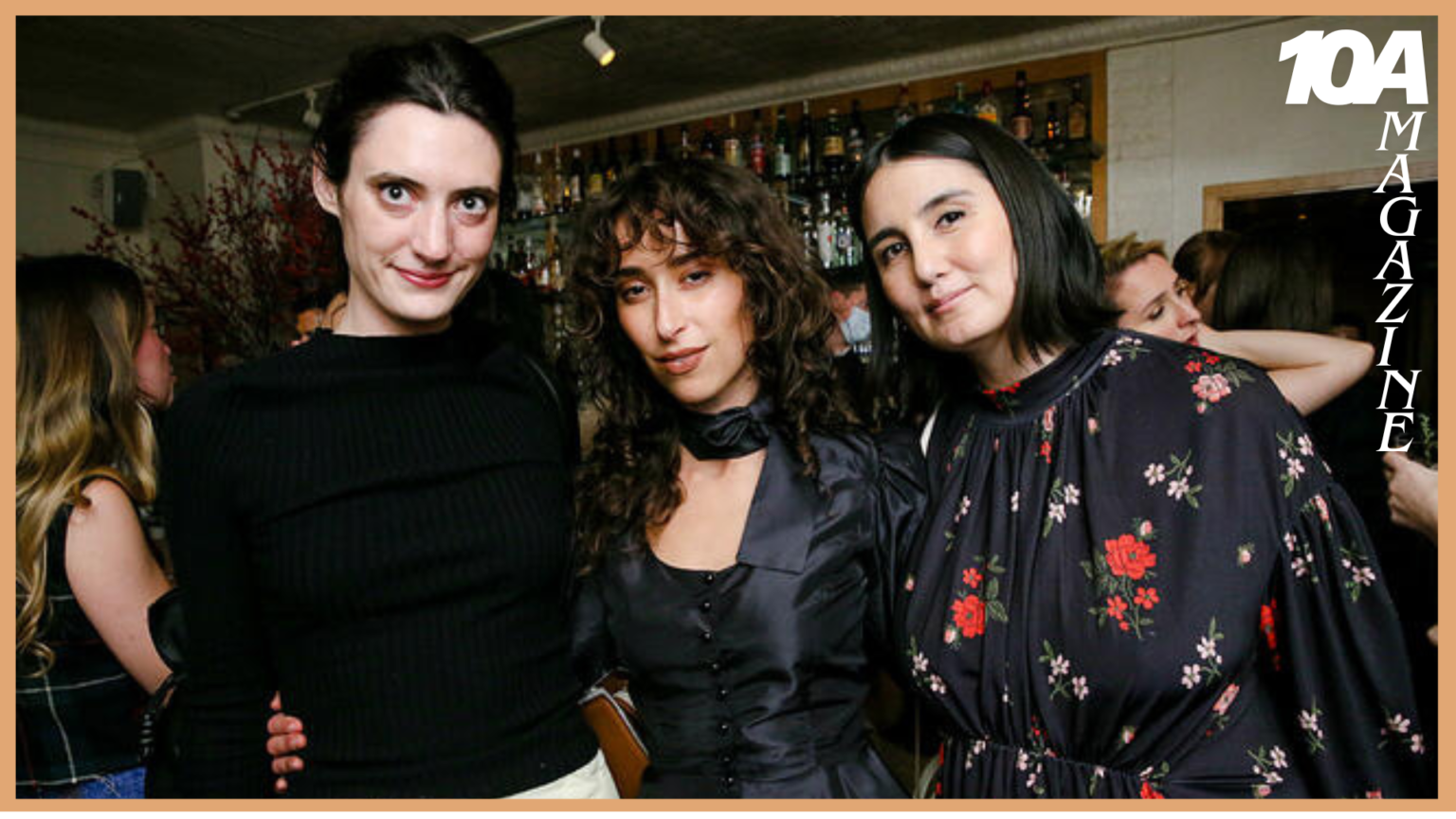
She is a New York-based writer and Creative Director at Cultured Magazine, one of the most respected voices in contemporary art, design, and architecture publishing today. She has contributed to Frieze, W Magazine, Guernica, and more — building a career that sits comfortably at the intersection of serious cultural criticism and genuinely great writing.
If you care about contemporary art, cultural journalism, or the kind of storytelling that makes you actually feel something, Kat Herriman is a name worth knowing.
Who Is Kat Herriman?
Kat Herriman is a writer and creative director based in New York City. She holds a bachelor’s degree from Colby College, and her career trajectory reads like a masterclass in how to build authority in a niche field without losing your personality.
She joined Cultured Magazine early in its growth phase, first serving as its Digital Arts Editor, according to the publication’s Fall 2016 masthead. Over time, she moved into the role of Features Director, and eventually Creative Director — a climb that reflects both her editorial instincts and her understanding of what modern audiences actually want to read.
That is not nothing. The art media landscape is crowded. Standing out takes more than good taste. It takes a point of view.
Herriman has one.
Cultured Magazine: The Platform That Shaped Her Voice
To understand Kat Herriman, you need to understand Cultured Magazine.
Founded by Editor-in-Chief Sarah Harrelson, Cultured covers contemporary art, design, architecture, fashion, film, and literature. It is the kind of publication that positions a profile of a sculptor next to a piece about interior design — and somehow makes both feel essential.
As Creative Director and Features Director, Herriman has been central to shaping that sensibility. She sits at the editorial core, deciding what stories get told, how they are framed, and who deserves a platform.
That is significant editorial power. And she has used it thoughtfully.
The magazine describes itself as dedicated to “uncovering the people behind contemporary art, film, music, design, and architecture.” Herriman’s byline across dozens of pieces reflects exactly that mission — profiles, event coverage, cultural commentary, all written with the kind of specificity that tells you the writer actually showed up and paid attention.
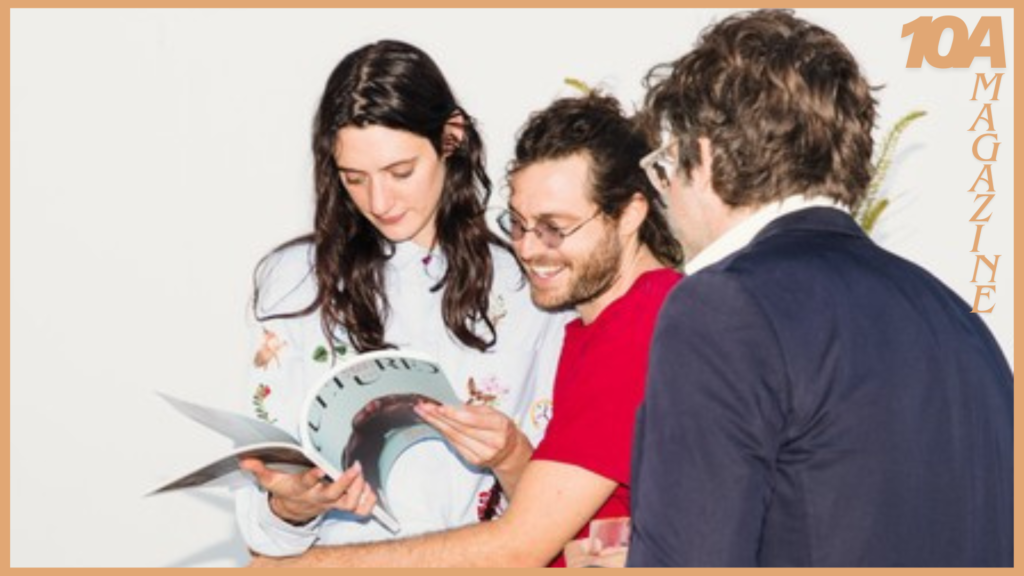
Writing Across the Art World’s Best Platforms
What makes Kat Herriman stand out is not just her home base at Cultured. It is the range of platforms she has contributed to over the years.
Frieze is one of the world’s most respected contemporary art publications. Her profile on their contributors page describes her simply as “a writer and creative director of Cultured” who lives in New York — which is exactly the kind of understated bio that lets the work speak for itself. Her co-authored piece on design duo Charlap Hyman & Herrero for Frieze in May 2022 is one example of the kind of sharp, thoughtful arts coverage she brings to the table.
W Magazine has also featured her work regularly. From Frieze Los Angeles guides to coverage of art week events, her bylines at W Magazine show a writer who knows how to make the art world accessible without dumbing it down. That is harder than it sounds.
Guernica, the respected literary and arts digital magazine founded in 2004 and known for publishing fiction, poetry, essays, and cultural criticism, has also featured her work. Guernica is a platform that earned the Utne Media Award for Best Social/Cultural Coverage in 2013 — appearing there means something.
Put it all together, and you have a writer who moves fluidly between publications with different tones, audiences, and editorial standards — and consistently delivers.
The Art of Writing About Art (Without Putting People to Sleep)
Here is an honest truth about art writing: a lot of it is terrible. It hides behind jargon, mistakes obscurity for intelligence, and treats accessibility like a weakness.
Kat Herriman does not do that.
Her work — whether covering Frieze New York, profiling artists, or writing guides for art-world travelers — reads like it was written by someone who is genuinely excited to share what they know. There is a warmth to it. An assumption that the reader is smart, curious, and capable of being interested without being lectured.
That approach is increasingly rare. And it is one reason her byline carries weight across such different publications.
One example: her coverage of Frieze New York for W Magazine describes the art fair landscape with the kind of insider fluency that makes you feel present in the tent — galleries finding their rhythm, the art village atmosphere, the confluence of spring fairs. It is specific without being exclusionary.
That is the skill. That is what good cultural journalism looks like.
From Digital Arts Editor to Creative Director: A Career Built on Curiosity
Herriman’s rise at Cultured Magazine is worth noting, not just for what it says about her, but for what it says about how editorial careers actually develop.
She started as Digital Arts Editor — a role focused on online content and digital storytelling. From there she moved to Features Director, overseeing major editorial projects and long-form content. Her current title of Creative Director reflects a broader mandate: shaping the magazine’s identity, not just its individual pieces.
It is a trajectory that took real range. Digital editing, feature writing, creative direction — these are not the same skill set, and moving across all three while maintaining a strong freelance writing presence takes genuine versatility.
Muck Rack, which tracks verified journalist bylines, lists her work across Cultured Magazine, W Magazine, Yahoo Entertainment, Bal Harbour Shops editorial, and more — a track record that reflects consistent output over years, not a flash in the pan.
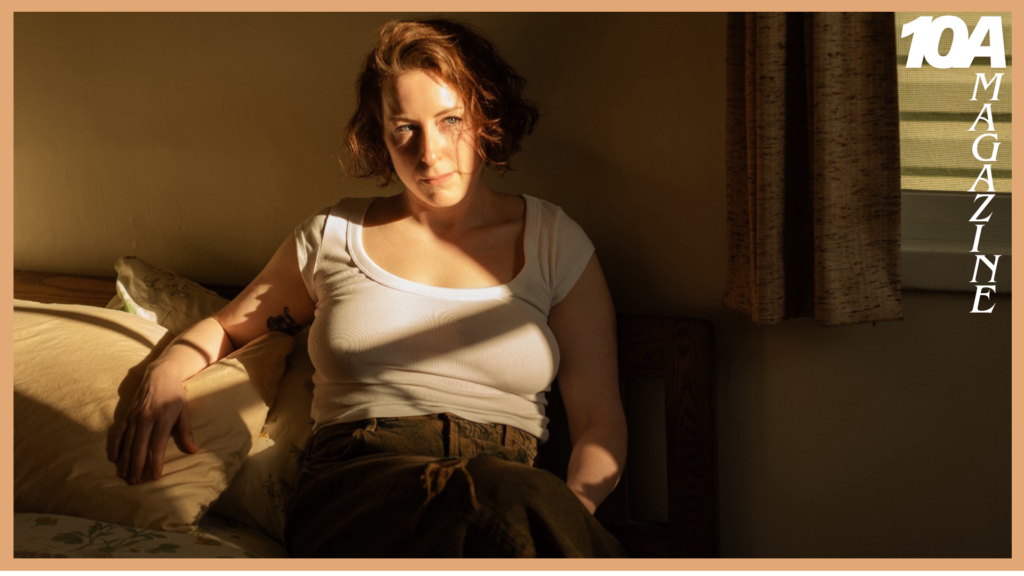
Why Kat Herriman Matters in Contemporary Art Media
The contemporary art world has a visibility problem. Not a lack of artists doing interesting work — there is plenty of that. The problem is that most of the writing about it sits behind paywalls, inside jargon, or in publications that feel like they are written for fifteen people.
Writers like Kat Herriman push against that.
By contributing to accessible platforms like W Magazine while maintaining her credibility at serious publications like Frieze and Guernica, she helps bridge the gap between the art world insider and the genuinely curious outsider. That is genuine public service, even if it does not always get described that way.
Her recent coverage includes the 2026 Bronx Museum Gala for Cultured Magazine — an event that gathered over 500 guests on a Tribeca rooftop — and art fair guides that help readers navigate events like Frieze Los Angeles and Art Basel Paris. This is cultural journalism that serves a real purpose: it helps people engage with art in the world, not just read about it from a distance.
The Bigger Picture: What Her Career Tells Us About Arts Journalism Today
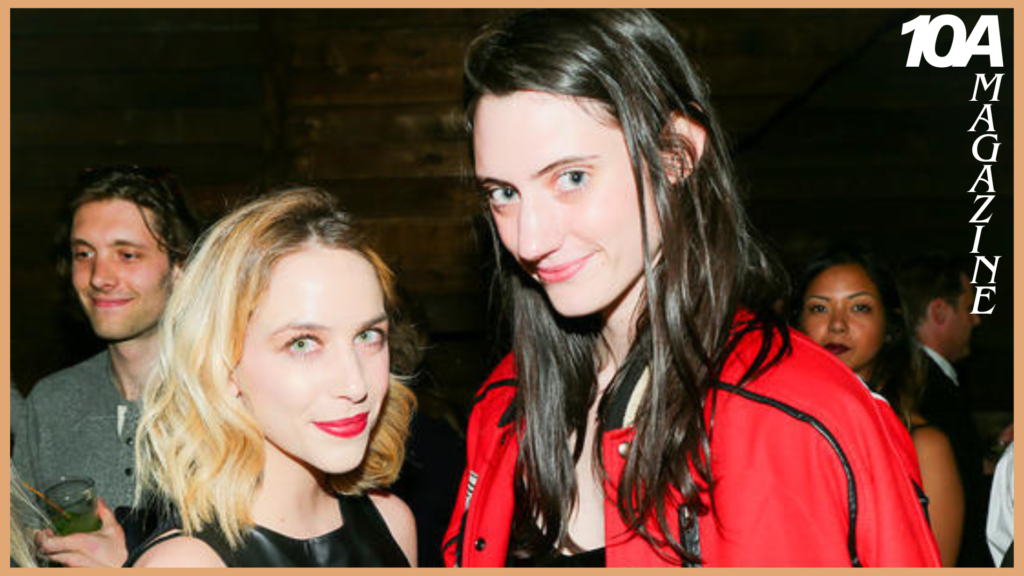
Arts journalism is changing. Print budgets are shrinking. Attention spans are genuinely under pressure. And the art world itself is becoming more global, more digital, and — slowly — more inclusive.
Writers who thrive in this environment are not the ones who simply know the most. They are the ones who can write with authority and also with warmth. Who can cover Art Basel Paris and the Bronx Museum Gala with equal seriousness. Who can write for Guernica and W Magazine and make both feel like the right place for what they have to say.
Kat Herriman is one of those writers. Her career — built on real output, real editorial relationships, and a consistent point of view — is a good model for what it looks like to build genuine credibility in a competitive field.
She is not famous in the pop-culture sense. She does not need to be. In the world she covers and the publications she works with, her name carries real weight.
And in cultural journalism, that is exactly how it should work.
Final Thought
Good art writing makes the reader feel like they are standing in the gallery, not reading about it from a brochure.
Kat Herriman writes like that. And in a media landscape full of noise, that is worth paying attention to.