


What Are Lofotu Salas?
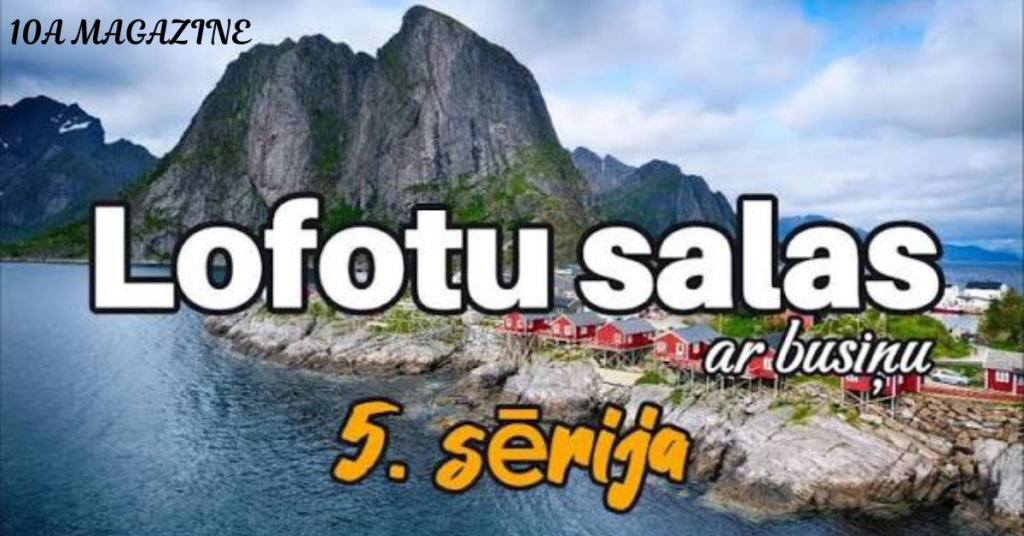
Lofotu Salas — better known internationally as the Lofoten Islands — is an archipelago in northern Norway that sits entirely above the Arctic Circle. And yet, somehow, it doesn’t feel like the frozen wasteland you’d expect at this latitude. That’s the first thing that surprises most visitors.
The islands cover roughly 1,227 square kilometres and are home to about 24,500 people, according to Wikipedia’s Lofoten entry. The two main towns are Svolvær and Leknes. Svolvær, the unofficial capital, is approximately 2,420 km from the North Pole. So yes — you’re very far north. And yes — it’s still absolutely worth it.
National Geographic has called Lofoten one of the world’s most appealing destinations (source: National Geographic), and the islands now attract close to one million tourists every year. That number alone tells you something.
A Quick Geography Lesson (Don’t Skip This)
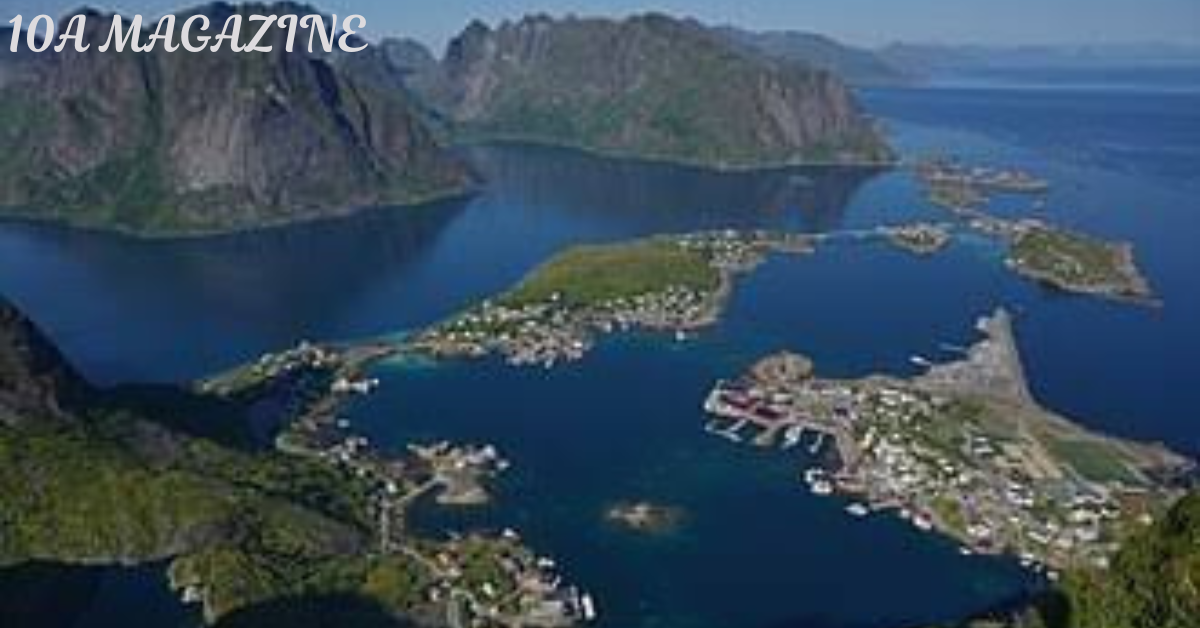
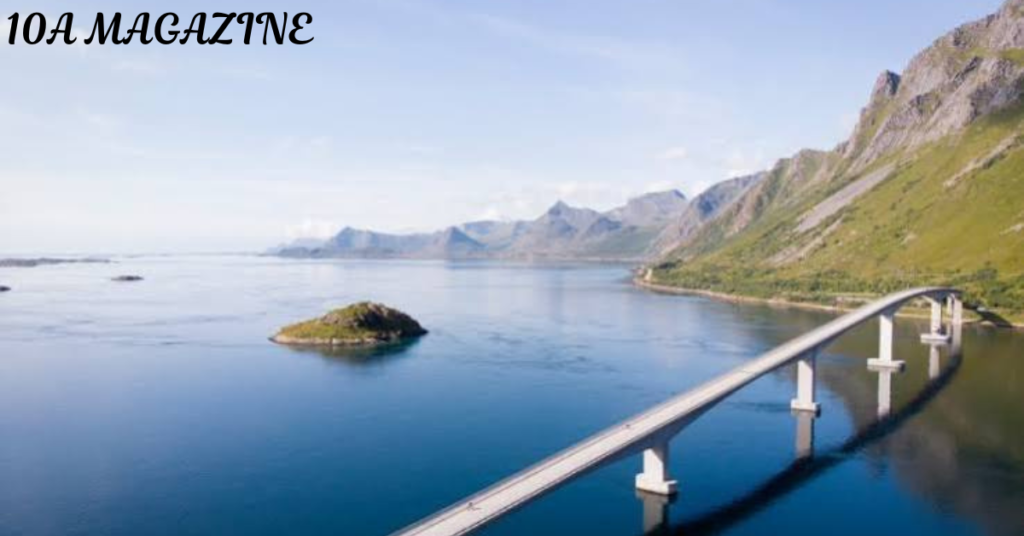
The archipelago stretches nearly 170 kilometres across the Norwegian Sea. The main islands — Austvågøy, Gimsøy, Vestvågøy, Flakstadøy, Moskenesøy, Vaerøy, and Røst — are all connected by bridges and road tunnels via the famous E10 highway (source: Swallow’s Notes).
Driving that road is an experience on its own. Mountains drop straight into the sea. Fishing villages appear out of nowhere. You’ll stop the car every ten minutes for photos. It’s annoying for your schedule and wonderful for your soul.
The History Behind Lofotu Salas
Here’s something remarkable: people have been living on these islands for roughly 7,000 years, dating back to the Stone Age (source: Life in Norway). Archaeological evidence confirms human settlements from at least the late Stone Age — around 5,500 years ago.
During the Viking Age (9th to 11th century), Lofoten became a critical hub for trade and commerce. The sheltered bays and natural harbours made it ideal for seafarers. Viking chieftains held peace summits here — on neutral islands, with swords left on one island and shields on another. Clever diplomacy, even if you are a Viking.
The real engine of Lofoten’s economy was cod. Until the 1960s, Norway’s biggest industry was cod fishing, and the Lofoten Islands were at the heart of it (source: Life in Norway). Vikings dried cod on wooden racks called hjell to create stockfish — a product they traded across Europe and beyond. Incredibly, that same stockfish from Lofoten became the base for Portugal’s national dish, bacalhau (source: Life in Norway Complete Guide).
As Britannica notes, the islands have been continuously inhabited since at least 1120 AD, when King Øystein built a church and lodgings for fishermen near Kabelvåg.
Why the Weather Here Makes No Sense (In a Good Way)
You’d expect a place above the Arctic Circle to be brutally cold year-round. Lofotu Salas ignores that expectation entirely.
Thanks to the warm Gulf Stream passing along the coast, the islands experience one of the world’s most remarkable temperature anomalies for their latitude. January and February average around -1°C (30°F). July and August average around 13°C (55°F), with occasional warm spells hitting 25°C (source: Responsible Travel).
As Responsible Travel points out, Lofoten in January is milder than mainland France. Let that sink in for a moment.
Best Time to Visit Lofotu Salas
This is the question everyone asks. The honest answer? It depends on what you want.
Summer (June–August): Midnight Sun & Hiking
Summer is the most popular season and with good reason. From late May to mid-July, the sun doesn’t set at all (source: Nordic Visitor). You can hike at midnight. Kayak at 2 AM. Have a picnic at 11 PM in full daylight. It sounds surreal, and it is.
Temperatures stay mild — usually 10–15°C, sometimes creeping above 20°C. It’s prime time for hiking, kayaking, and exploring fishing villages. The downside? Everyone else has the same idea. Book accommodation 3–6 months in advance for summer visits, especially July (source: Arctic Norway Tours).
Winter (November–March): Northern Lights & Whales
Between September and April, Lofoten is one of the best places in Europe to see the Northern Lights (source: Nordic Visitor). Low light pollution, long nights, and proximity to the North Pole create ideal conditions.
Winter also brings whale-watching season. Orca and humpback whales migrate to the waters near Lofoten from October through May. Some have reportedly been spotted swimming right through the village of Henningsvær.
One word of caution: avoid November if you can. It tends to be cold, dark, rainy, and icy with very little to redeem it (source: 68 North).
Autumn (September): The Local Favourite
According to locals and experienced travellers alike, August and September offer a sweet spot — fewer tourists than July, great hiking conditions, and the first hints of Northern Lights returning. The local travel blogger at Travel to Norway who lives in Reine puts it perfectly: “There is no ‘bad’ time to visit Lofoten — unless you hate weather, in which case this might not be your destination at all.”
Top Things to Do in Lofotu Salas
1. Hike Reinebringen
This is the signature hike. It towers above the village of Reine and delivers panoramic views of the surrounding fjords that photographers genuinely cry about. The ascent is steep but worth every step (source: Best Served Scandinavia).
⚠️ Important: Winter hiking in Lofoten is dangerous. Icy trails and avalanche risk have required costly helicopter rescues. Stick to guided hikes in winter conditions (source: Arctic Norway Tours).
2. Explore Henningsvær
Often called the “Venice of Lofoten,” this charming fishing village sits across several small islands connected by narrow bridges. It hosts contemporary art galleries (including the impressive Kaviar Factory), quirky cafés, and waterside views from almost every angle (source: Nordic Visitor).
3. Visit the Lofotr Viking Museum
At Borg, you can experience the Viking lifestyle first-hand at a museum built on an actual chieftain’s site. The reconstructed longhouse is the highlight. On summer evenings, the museum hosts authentic Viking feasts — mead, storytelling, open fire, the lot (source: Life in Norway).
4. Kayaking Through the Fjords
The fjord waters are stunning, and kayaking is one of the best ways to access corners of Lofoten that roads simply can’t reach. <br>The National Geographic team did a four-day kayaking expedition here and described the route as “a bafflingly intricate network of inlets, skerries, natural harbours and gargantuan monoliths” (source: National Geographic).
5. Stay in a Rorbu
A rorbu is a traditional Norwegian fisherman’s cabin — small, wooden, usually painted red, and built on stilts over the water. Most visitors now consider them the most authentic accommodation option in Lofoten. Many have been converted into cosy, well-equipped holiday rentals (source: Best Served Scandinavia).
Must-Visit Villages in Lofotu Salas
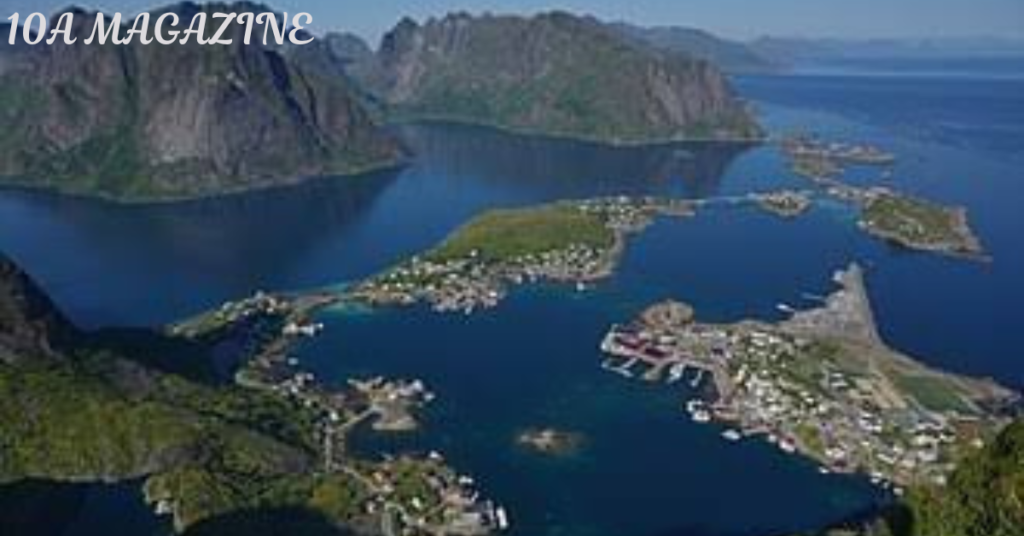
Reine — Probably the most photographed village in Norway. Surrounded by dramatic peaks and fjords, it belongs on every Lofoten itinerary.
Å — Yes, that’s its actual name. It’s the last letter of the Norwegian alphabet and marks the very end of the E10 highway. Worth visiting for the sheer novelty, plus a great Norwegian Fishing Village Museum (source: Arctic Norway Tours).
Nusfjord — One of Norway’s oldest and best-preserved fishing villages. A small entrance fee applies, but the time-warp feel is genuinely remarkable (source: Best Served Scandinavia).
Svolvær — The commercial hub. Not the prettiest village, but the most practical base for exploring. Hotels, restaurants, shops, a cinema, and easy access to tours all await here.
Wildlife: Sea Eagles, Puffins, and Whales
Lofoten is a genuine wildlife paradise. Over 27,000 hectares of marine waters along the northwestern coasts are designated as an Important Bird Area by BirdLife International (source: Wikipedia). The islands host:
- The largest seabird colony in mainland Europe
- High densities of white-tailed sea eagles
- Millions of colourful puffins
- Seasonal visits from orca and humpback whales
You don’t need to go on a safari to spot wildlife here. Keep your eyes open on any coastal walk or kayak trip, and you’ll likely see something spectacular.
Practical Travel Tips
Getting there: Fly into Svolvær (SVJ) or Leknes (LKN) via Oslo or other major Norwegian cities. Alternatively, take the Hurtigruten coastal ferry if you want the scenic route (source: Cars Scanner Budget Guide).
Getting around: Renting a car is strongly recommended. The E10 highway connects most of the main islands. The archipelago is large — it takes over five hours to drive from one end to the other.
Budget tip: Many of Lofoten’s best experiences are completely free. The fjords, beaches, and mountain views cost nothing. Hiking trails like Reinebringen and the Kvalvika Beach trail are open to all (source: Cars Scanner).
What to pack: Waterproof layers regardless of season. Comfortable waterproof hiking boots. A camera with a wide lens. Sunscreen (yes, even in the Arctic summer). And for winter — wool, lots of wool.
Key References & Trusted Sources
Here are the sources used in this article for your research and verification:
- 🔗 Visit Lofoten (Official Tourism)
- 🔗 Wikipedia — Lofoten
- 🔗 Encyclopaedia Britannica — Lofoten
- 🔗 National Geographic — Lofoten Islands
- 🔗 Life in Norway — History of Lofoten
- 🔗 Nordic Visitor — Lofoten Guide
- 🔗 Best Served Scandinavia — Expert Lofoten Guide
- 🔗 Arctic Norway Tours — Lofoten Islands Guide
- 🔗 Travel to Norway — Best Time to Visit
- 🔗 68 North — When to Visit Lofoten