



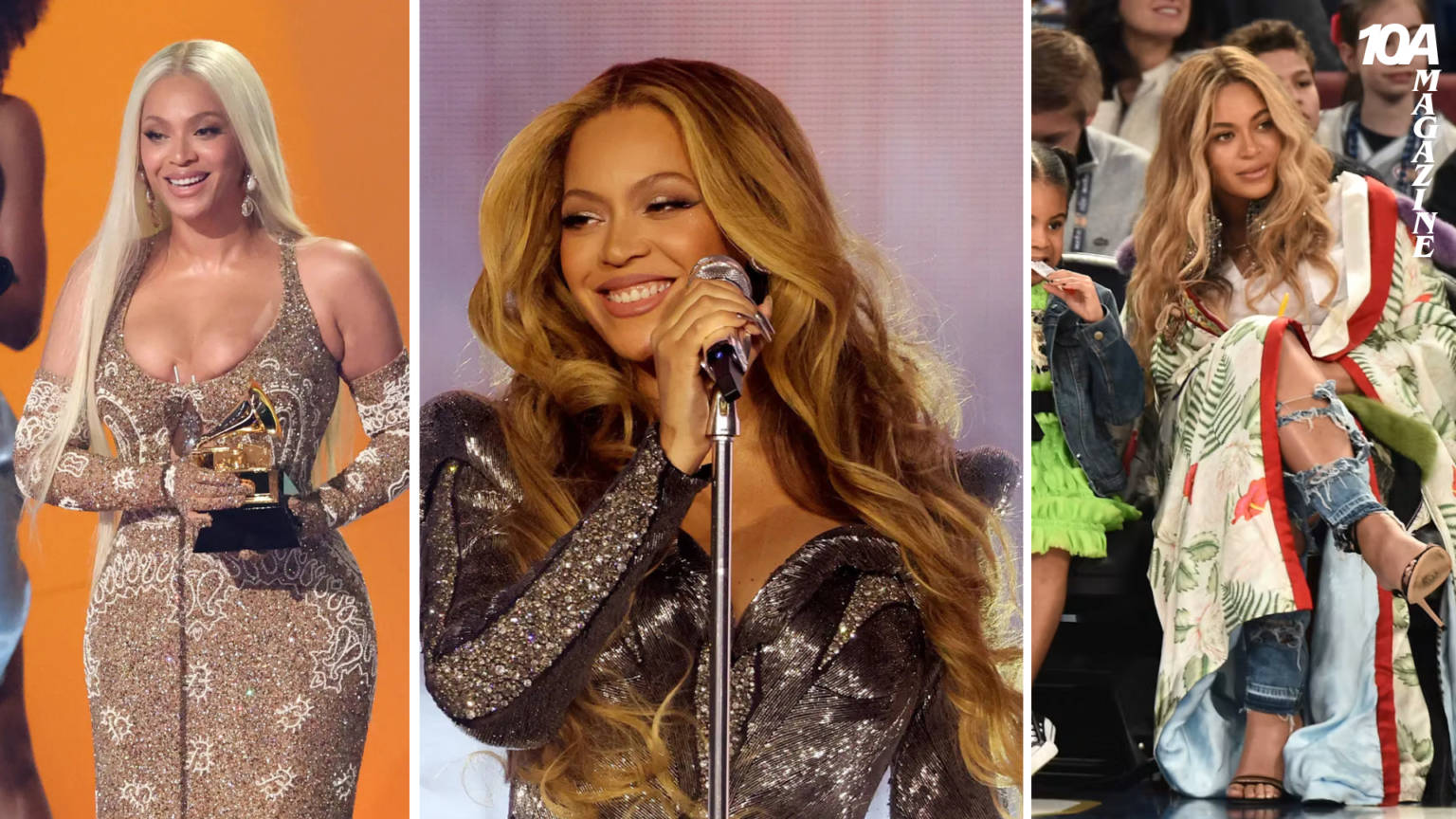
Beyoncé’s name shows up on almost every track she has ever released. That’s not an accident. Across her solo albums, her Destiny’s Child years, and The Carters project with Jay-Z, she holds a songwriting credit on nearly every song in her catalog.
But here’s where it gets interesting. Many of her biggest hits list a dozen or more co-writers. Some tracks, like “Alien Superstar” from Renaissance, credit as many as 25 people. So does that mean Beyoncé isn’t really writing her own music? Not exactly. The real answer is a lot more layered than a simple yes or no.
The Short Answer: Yes, She Writes Her Own Music
Beyoncé is credited as the lead or co-lead songwriter on essentially every song from her studio albums. She wrote or co-wrote all 16 tracks on Renaissance, and she holds writing credits across Lemonade as well.
Out of her six solo studio albums, only a small handful of songs list her as an artist without a writing credit. One clear example is “I Was Here” from 4, written entirely by Diane Warren. Outside of a few exceptions like that, Beyoncé’s fingerprints are on the writing process for almost every song she has ever performed.
Why Do Her Songs List So Many Writers?
This is the part that confuses a lot of fans. If Beyoncé writes her own songs, why does Lemonade credit 72 additional writers on top of her own name?
The answer has less to do with a crowded writing room and more to do with music law. Modern songwriting credits often reflect sampling and interpolation, not a group of people sitting together writing lyrics.
- Sampling means using a piece of an original recording inside a new song.
- Interpolation means re-recording part of an existing melody or lyric and reworking it into something new.
Both practices require legal clearance, and that clearance usually comes with a songwriting credit for the original artist, even if they never stepped into the studio. So when a Beyoncé track samples a decades-old soul record or borrows a melodic phrase from another song, that original writer’s name gets added to the credits automatically.
This isn’t unique to Beyoncé. Olivia Rodrigo’s album Sour had writing credits added after fans noticed similarities to songs by Taylor Swift and Paramore. Long credit lists have simply become standard practice across the music industry as artists and labels try to avoid legal disputes.
What Her Collaborators Actually Say
The people who’ve worked directly with Beyoncé tend to push back hard against the idea that she’s just a voice for hire.
Ryan Tedder, who co-wrote “Halo” and “XO,” has talked about how much Beyoncé reshapes a song once she’s in the booth. He described the bridge on “Halo” as something she wrote on the spot, changing it completely from his original version.
Ne-Yo, who wrote “Irreplaceable,” told The Breakfast Club that the version he handed over and the version Beyoncé recorded ended up as two different songs once she added her own harmonies and phrasing. He said that level of reworking earns a writing credit on its own.
Producer Dre, of the duo Cool & Dre, worked with Beyoncé on Everything Is Love. He described her as fully hands-on in the studio, saying she’d either build a melody around existing words or write new lyrics on top of a melody the producers brought in.
The pattern across these interviews is consistent: Beyoncé rarely records a song exactly as it was handed to her. She edits, restructures, and adds her own creative choices before it’s finished.
How Her Songwriting Process Has Evolved
Beyoncé has spoken about her own process shifting over the years. In interviews, she’s explained that she now starts with a concept or a title before writing anything else. Once she has that idea locked in, she heads into the booth and builds the song from there.
She’s also credited artists like Anita Baker, Lauryn Hill, and Diana Ross as major influences on her sound and delivery, which shapes how she approaches phrasing and melody in her own writing.
A Few Controversies Worth Mentioning
Not everyone agrees that Beyoncé’s writing contributions always match her credit. Songwriter Linda Perry raised questions in a public interview about artists who make small tweaks to a song in exchange for a writing credit, without naming Beyoncé directly but referencing the broader practice.
There’s also the well-known case involving “Drunk in Love.” The song leaned heavily on “Good Morning,” a track Future had written with producer Detail. When “Drunk in Love” was released, Future wasn’t credited, but Beyoncé was. Detail later defended her contribution publicly, saying she built out most of the final song from the concept he brought in.
And in 2007, Beyoncé’s writing credit on “Listen” from Dreamgirls was pulled from Oscar consideration after the Academy limited nominee credits to three writers per song, cutting names it considered less central to the songwriting.
These moments show that the debate around her credits isn’t new, and it isn’t fully settled either. But the overall pattern, backed by multiple producers and co-writers across two decades, points to an artist who is genuinely involved in shaping her music rather than simply lending her voice to someone else’s finished work.
The Bottom Line
Beyoncé writes her own songs. The long credit lists on her albums come from sampling and interpolation rules, not a lack of personal involvement. Producers and songwriters who’ve worked with her directly back this up, describing a process where she reshapes melodies, rewrites lyrics, and builds songs from a concept she chooses herself.
Like most artists at her level, she collaborates. But collaboration and ghostwriting are two very different things, and the evidence points clearly toward the former.
FAQ
Does Beyoncé write all of her own songs? She holds a writing credit on nearly every song from her solo albums, Destiny’s Child years, and The Carters. A small number of exceptions exist, such as “I Was Here” from 4, which was written by Diane Warren.
Why do Beyoncé’s albums list so many songwriters? Most of the extra names come from sampling and interpolation credits, not a crowded writing session. When a song reuses part of an older recording or melody, the original writer is legally credited.
Has anyone confirmed that Beyoncé actually writes her music? Yes. Collaborators like Ryan Tedder, Ne-Yo, and producer duo Cool & Dre have described her as heavily involved in reworking lyrics and melodies in the studio.
What is Beyoncé’s songwriting process? She has said she typically starts with a title or concept, then develops the lyrics and melody once she’s in the recording booth.
Are there songs Beyoncé didn’t write at all? A few exist, most notably “I Was Here” on 4, written entirely by Diane Warren.