


The Wild History Behind Fashion’s Pointiest Trend
Some fashion trends whisper. The cone bullet bra shouts.
It has dressed factory workers, Hollywood starlets, and pop icons on world tours. It disappeared for decades, then walked straight back onto the runway like it never left. And yes, it still confuses people every single time they see it.
This article breaks down where the bullet bra actually came from, why it mattered, and why designers keep bringing it back. No guesswork. No filler. Just the real story, backed by real sources.
What Is a Cone Bullet Bra?
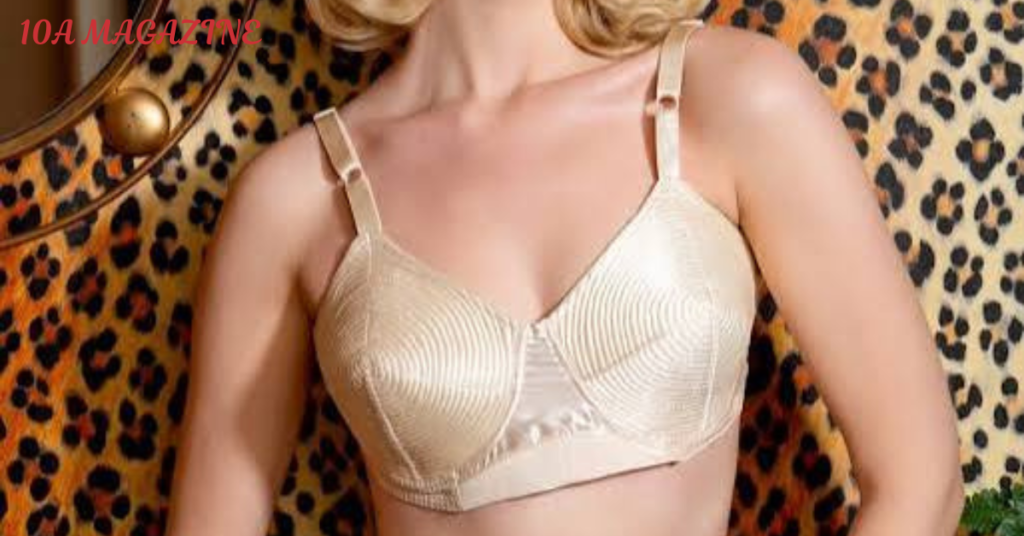
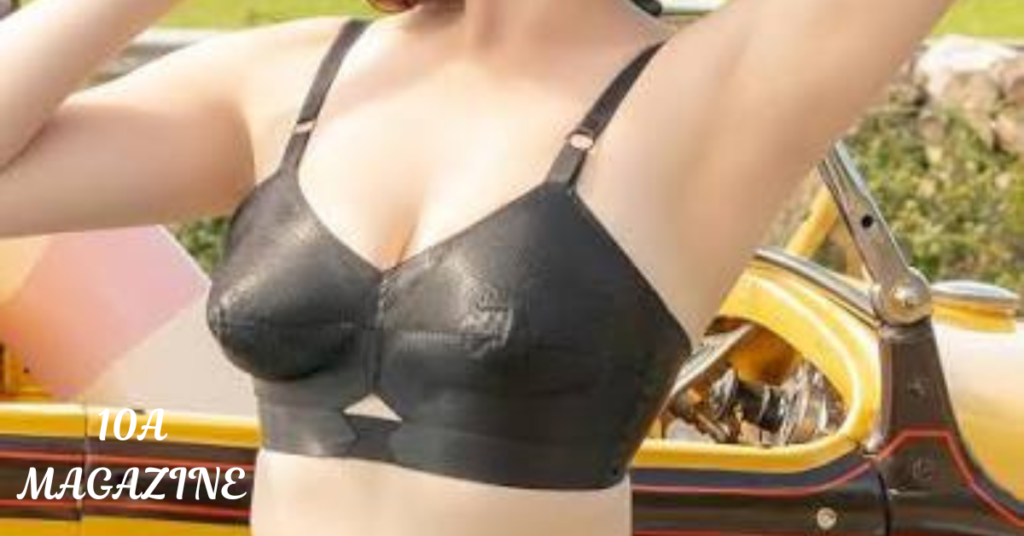
A cone bullet bra is a structured bra with pointed, conical cups. The shape comes from tight, spiral stitching sewn into the fabric, not from padding or underwire. The circular stitching adds support and lift, pushing the breast tissue toward the tip of the cup.
That stitched cone gave the bust a sharp, torpedo-like silhouette. Think less “soft and natural,” more “architectural statement.” It was not subtle, and it was never meant to be.
Some fashion historians draw a small line between “bullet bras” and “cone bras.” Cone bras tend to be softer and unpadded with a less exaggerated shape, while a true bullet bra is rigidly conical with visible stitching and padding for extra lift. In everyday use, though, most people say the two names interchangeably. This article does the same.
Where the Bullet Bra Actually Came From
Here is where a lot of internet articles get lazy. Let’s stick to what’s documented.
The first bullet bra hit the market in 1941 under the Perma-Lift brand. It landed in the middle of World War II, and that timing shaped everything about it, including the name. The conical cups earned the nicknames “bullet bra” and “torpedo bra” simply because the shape matched the wartime mood of the era, the same way a new hairstyle got called “Victory rolls.”
There’s also a practical origin story. Perma-Lift marketed the design as protective for women working in wartime factories, claiming the conical cups reduced injury risk while still offering elastic support. Function first, glamour second. That part often gets left out of the story.
By the mid-1940s, the look had already spread beyond the factory floor. A Florida swimsuit model was photographed in 1946 wearing the pointed cups, proof the style was already fashionable before the decade ended.
The 1950s: Sweater Girls and Sharp Silhouettes
If the 1940s introduced the bullet bra, the 1950s made it a phenomenon.
Maidenform played a major role in popularizing the style, and Frederick Mellinger, founder of Frederick’s of Hollywood, brought it firmly into the American mainstream. The design suited the fitted sweaters, sheath dresses, and tailored suits that defined 1950s fashion, all of which leaned into a bold hourglass shape.
This is also where the “sweater girl” label comes in. Actresses like Marilyn Monroe, Lana Turner, and Patti Page wore snug knit sweaters over their bullet bras, and the combination became a defining look of the decade. Regular women followed. If Marilyn Monroe could make a cone-shaped bra look effortless, why wouldn’t the rest of America try?
The style got more dramatic as the decade went on. By the 1950s, the cups had become so exaggerated that many women added foam pads, sometimes called “falsies,” to stop the points from looking deflated. A slightly chaotic detail, and a very human one. Fashion has always asked people to work a little harder than the finished look suggests.
Why the Trend Faded
Nothing pointy stays in style forever.
Attitudes shifted in the 1960s as fashion moved toward more elegant, natural silhouettes. By the late 1960s and early 1970s, softer cup bras became more popular, partly because they were simply more comfortable to wear. Comfort tends to win eventually. It usually does.
The decline also connected to the rising feminist movement of the 1960s, which questioned whether structured bras were a tool of control rather than a fashion choice. The bullet bra didn’t just go out of style. It became a symbol people actively pushed back against.
Madonna, Gaultier, and the Reinvention
Every good trend gets a second act, and this one got a legendary one.
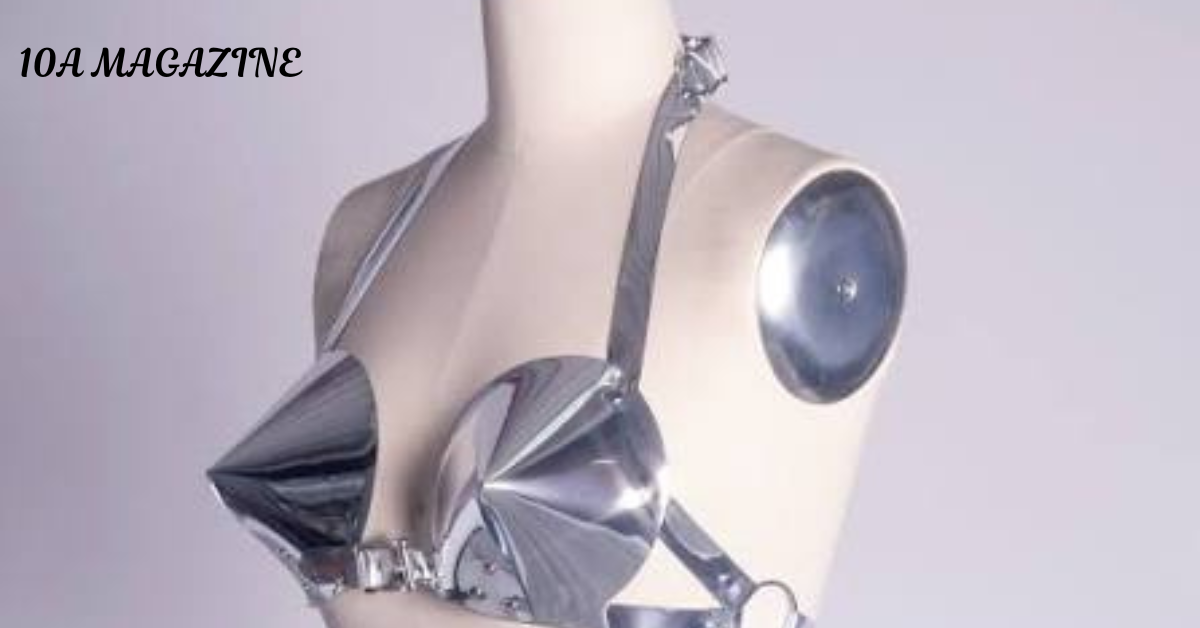
French designer Jean Paul Gaultier sent his first version of the cone bra down the runway in 1983, then debuted a bolder iteration in his Fall/Winter 1984 Barbès collection. He famously admitted the concept started small. Gaultier first designed the cone shape for his own childhood teddy bear, named Nana, before adapting it for the runway.
Then came the moment most people actually remember. Madonna debuted her now-iconic Gaultier cone bra corset on the Blond Ambition World Tour in 1990, and she later wore variations of it at Cannes in 1991, on her MDNA tour in 2012, and at the Met Gala in 2018.
That performance changed the bullet bra’s meaning completely. Fashion critic Suzy Menkes connected Gaultier’s design to the feminist movement coming full circle, describing how the sexual freedom seeded in the 1960s culminated in Madonna’s stage costume. A garment once seen as restrictive became a symbol of taking control of it.
You can see Gaultier’s own take on the design’s modern legacy on his official Instagram: Jean Paul Gaultier – Cone Bra Reimagined.
The Cone Bullet Bra in 2025 and Beyond
Fast forward to now, and the cone bullet bra is back on runways and red carpets.
Miu Miu built its Fall 2025 collection around the retro silhouette, pairing bullet bras with clingy knit tops and pencil skirts, with Miuccia Prada calling it “like a new fashion” among her design team. Celebrities including Kylie Jenner and Charli XCX wore bullet-bra gowns to the Met Gala, while Cardi B and Megan Thee Stallion performed in metallic cone bras at the 2021 Grammys.
Influencer culture picked it up too. Addison Rae and Nara Smith have both modeled versions of Gaultier’s original “cornetti” cone bra design, named for its resemblance to a crescent-shaped Italian pastry.
So no, this isn’t a one-decade wonder. It’s a shape that keeps returning every time fashion wants to make a bold, slightly rebellious statement.
Bullet Bra vs. Modern Push-Up Bra

People sometimes assume the bullet bra was an early push-up bra. Not quite.
A bullet bra worked more like an early version of the push-up bra, using structure instead of padding to emphasize the curvaceous shape popular in the 1950s. Unlike modern padded push-up bras, the original design relied purely on tight darts and stitching, with no underwire involved at all.
That’s the funny part. A bra engineered before modern foam, gel inserts, or underwire technology still managed to create one of the most exaggerated silhouettes in fashion history. Sometimes the simplest construction method makes the loudest statement.
Can You Still Buy a Cone Bullet Bra?
Yes, and it’s easier than you might think.
Vintage-inspired lingerie brands such as What Katie Did and Secrets in Lace currently produce bullet bras that reproduce the original 1950s styles. What Katie Did was actually the first company to bring bullet bras back into modern production, starting in 1999.
If you want to wear one today, pair it the way the original sweater girls did. Style it with other vintage-inspired pieces like pinup dresses, fitted blouses, or high-waisted skirts, and avoid pairing it with casual modern clothing that clashes with the structured silhouette.
The Real Takeaway
The cone bullet bra isn’t just a quirky vintage curiosity. It’s a genuine thread running through 80-plus years of fashion, war-era practicality, Hollywood glamour, feminist backlash, punk reinvention, and now, high-fashion nostalgia.
Every generation seems to rediscover it and give it new meaning. That’s a rare thing for a piece of underwear to pull off.