



History, Recipe Secrets & Health Facts
Tempura prawns look simple. A shrimp, a light batter, a hot pan of oil. Yet somehow this dish shows up on menus from tiny Tokyo food stalls to fancy Michelin-starred counters, and nobody complains. That’s rare for food. Rarer still, most people eating tempura prawns have no idea the recipe isn’t even originally Japanese.
Let’s fix that, and let’s also talk about what actually makes the batter crunch, whether tempura prawns fit into a healthy diet, and how to cook them at home without turning your kitchen into a grease fire documentary.
What Are Tempura Prawns, Exactly?
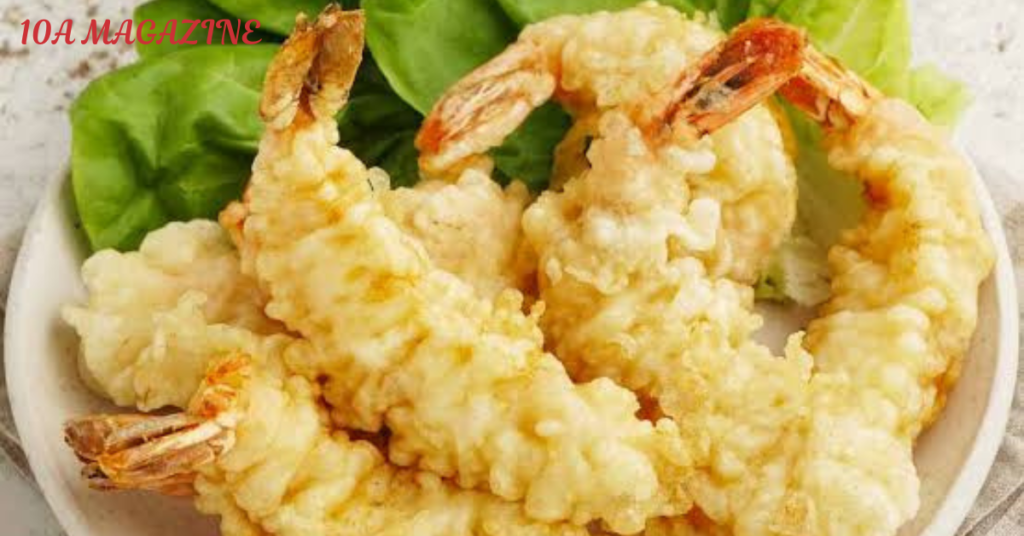
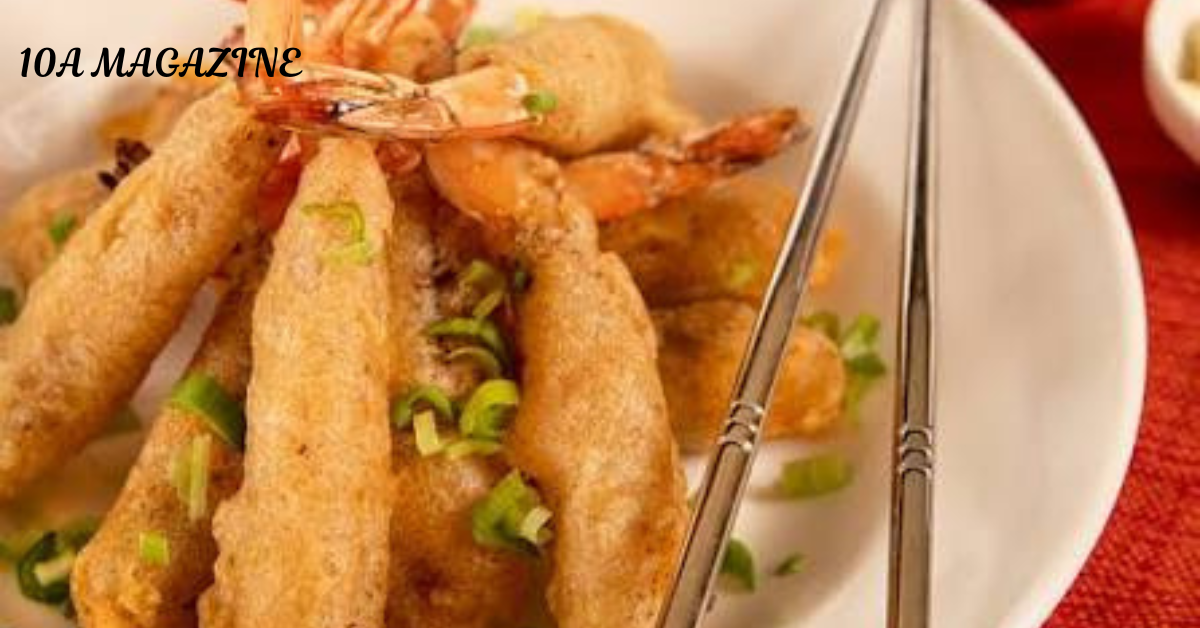
Tempura prawns are shrimp dipped in a thin batter of flour, egg, and ice-cold water, then deep-fried until the coating turns light, crisp, and slightly bubbly. Unlike breaded fried shrimp, tempura never uses breadcrumbs. That’s actually the technical line between the two dishes. According to Wikipedia’s entry on tempura, the breadcrumb-coated version has its own name in Japan — furai — while true tempura sticks to a flour-based batter only.
The texture is the whole point. A good tempura prawn shatters gently when you bite it. It shouldn’t feel heavy, oily, or thick. If your tempura tastes like a corn dog, something went wrong in the kitchen.
The Surprising Origin Story
Here’s the twist that surprises most people: tempura didn’t start in Japan. It came from Portugal.
In the 16th century, Portuguese missionaries and traders arrived in Nagasaki and brought a frying method used during Christian fasting periods, when meat was off the table and fried fish or vegetables filled the gap. Britannica notes that the technique was “very probably borrowed from Portuguese merchants,” and the word tempura likely traces back to the Latin term tempora, referring to those religious fasting seasons.
The Japanese didn’t just copy the method. They refined it. Over the following centuries, chefs in Edo (modern Tokyo) lightened the batter, chilled the water, and turned a heavy Portuguese fritter into something closer to edible lace. The Michelin Guide’s history of tempura explains how street vendors during the Edo period popularized tempura as a quick, affordable snack, long before it reached the elegant restaurants it’s known for today.
So next time someone calls tempura “authentic ancient Japanese cuisine,” you can smile and mention Portugal. Gently. Nobody likes a know-it-all at dinner.
Why the Batter Matters More Than the Shrimp
Anyone can fry a shrimp. Getting the batter right is where tempura separates itself from generic fried seafood.
Three things make tempura batter behave differently:
- Ice-cold water. Cold batter meeting hot oil creates steam quickly, which puffs the coating and keeps it from absorbing excess oil.
- Minimal mixing. Overmixing develops gluten, and gluten makes the batter chewy instead of crisp. Chefs stir it barely enough to combine, lumps and all.
- No seasoning in the batter. Traditional tempura batter contains no salt or spice. The flavor comes from the prawn itself and the dipping sauce, not the coating.
This is backed up by Uwajimaya’s breakdown of tempura technique, which points out that overmixing is the single most common mistake home cooks make, since it forms gluten and turns the fry chewy rather than crisp.
Oil choice matters too. Many tempura specialists still use sesame oil or tea seed oil, believed to help produce a lighter, crispier crust, according to details compiled on Wikipedia.
Is Tempura Prawns Healthy?
This is where things get honest. Shrimp on its own is a nutritional bargain. A 3-ounce cooked serving delivers around 84 calories and roughly 20 grams of protein, based on USDA data cited by Chicken of the Sea’s foodservice nutrition page. Shrimp also supplies selenium, iodine, vitamin B12, and small amounts of omega-3 fatty acids, nutrients most people don’t get enough of.
Frying changes the math, though. Once battered and deep-fried, prawns absorb oil and extra calories, so tempura prawns should sit in the “treat yourself” category rather than the “eat daily” category. The shrimp itself remains lean; the frying is what shifts the nutrition profile.
A simple rule: enjoy tempura prawns as an occasional dish, pair them with vegetables or a light broth, and skip the extra mayo-based dipping sauces if you’re watching calories. Traditional tentsuyu, a light soy-dashi dipping sauce, adds far less fat than the creamy sauces some Western restaurants serve alongside.
How to Make Crispy Tempura Prawns at Home
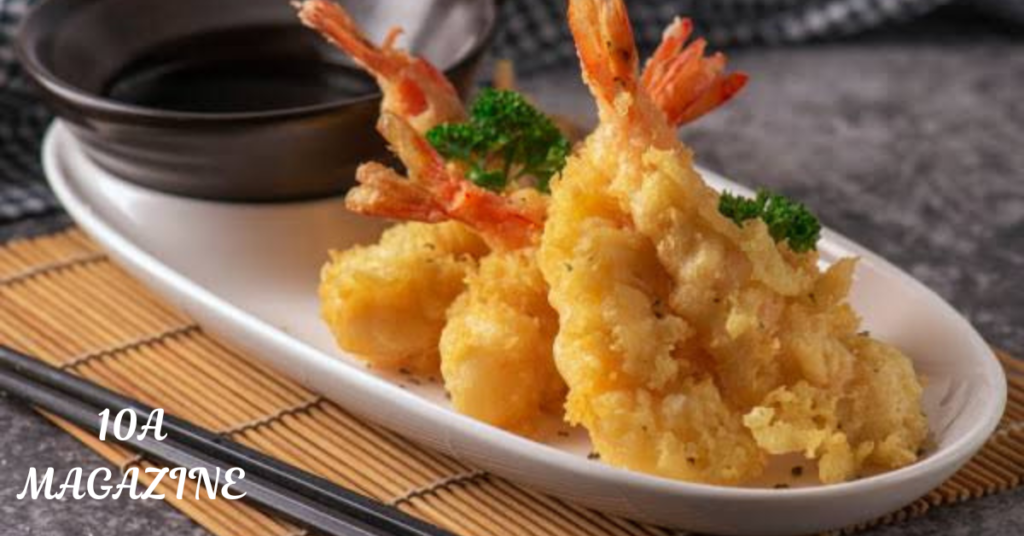
You don’t need a culinary degree. You need patience and cold water.
Basic steps:
- Peel the prawns but leave the tails on for grip and presentation.
- Make small cuts along the belly of each prawn to stop it from curling in the oil.
- Chill your flour and water in the fridge beforehand.
- Mix egg, ice water, and flour with a few quick strokes. Stop as soon as it comes together, even with lumps.
- Heat oil to around 170-180°C (340-355°F). Too cool, and the prawns turn greasy. Too hot, and the outside burns before the inside cooks.
- Fry in small batches for about 60-90 seconds per prawn, until pale gold, not deep brown.
- Drain on a wire rack, not paper towels, so steam escapes instead of softening the crust from below.
This general method aligns closely with the step-by-step approach shared by D.O. Cava’s prawn tempura recipe, which also recommends keeping the batter bowl inside a larger bowl of ice to maintain that crucial cold temperature throughout cooking.
Serving Ideas That Actually Work
Tempura prawns show up in more places than a sushi platter garnish.
- Tempura udon — prawns on top of hot noodle soup, where the batter softens slightly and soaks up the broth.
- Tendon — tempura prawns served over a bowl of rice with a savory glaze.
- Standalone with dipping sauce — the classic restaurant style, served with grated daikon and tentsuyu.
- Sushi rolls — cooked, chopped tempura prawn tucked into rolls for extra crunch.
Each version treats the prawn differently, but the batter principle stays the same: light, cold, minimally mixed.
Common Mistakes People Make
A few habits quietly ruin tempura at home:
- Warm batter. Room-temperature water kills the crispness before the shrimp even hits the oil.
- Overcrowding the pan. Too many prawns at once drops the oil temperature, leading to soggy results.
- Skipping the belly cuts. Without them, prawns curl into tight balls and cook unevenly.
- Reusing old batter. Batter should be made fresh right before frying, not stored for later use.
None of these mistakes are fatal. They’re just the difference between “restaurant-quality” and “edible, but a bit sad.”
Frequently Asked Questions
Is tempura the same as fried shrimp? No. Fried shrimp usually means breaded shrimp, coated in breadcrumbs or panko. Tempura prawns use a thin flour-and-water batter with no breadcrumbs at all, which is why the texture feels lighter.
Why does tempura batter need to be cold? Cold batter meeting hot oil creates a quick burst of steam. That steam is what puffs the coating and keeps it thin and crisp instead of dense and doughy.
Can I make tempura prawns without eggs? Yes. Some regional Japanese styles, particularly in western Japan, skip eggs entirely and rely on flour, water, and sometimes a splash of sparkling water for lift, according to details noted on Wikipedia.
What oil is best for tempura? Neutral oils like vegetable or canola work well for home cooking. Some specialty shops still use sesame oil or tea seed oil for extra crispness and flavor.
How many calories are in tempura prawns? Plain cooked shrimp runs about 84 calories per 3-ounce serving, based on USDA figures. Once battered and fried, that number climbs because of oil absorption, so portion size matters more than with plain shrimp.
Final Thoughts
Tempura prawns carry a history most people never learn about, a technique that rewards a light touch, and a nutrition profile that’s genuinely good — right up until the deep fryer gets involved. Knowing where the dish came from, how the batter actually behaves, and where the calories sneak in makes it easier to enjoy tempura prawns without any guesswork.
Next time a plate of golden, crackling prawns lands on your table, you’ll know exactly why it works, and maybe why a group of 16th-century Portuguese missionaries deserve a small shoutout too.