


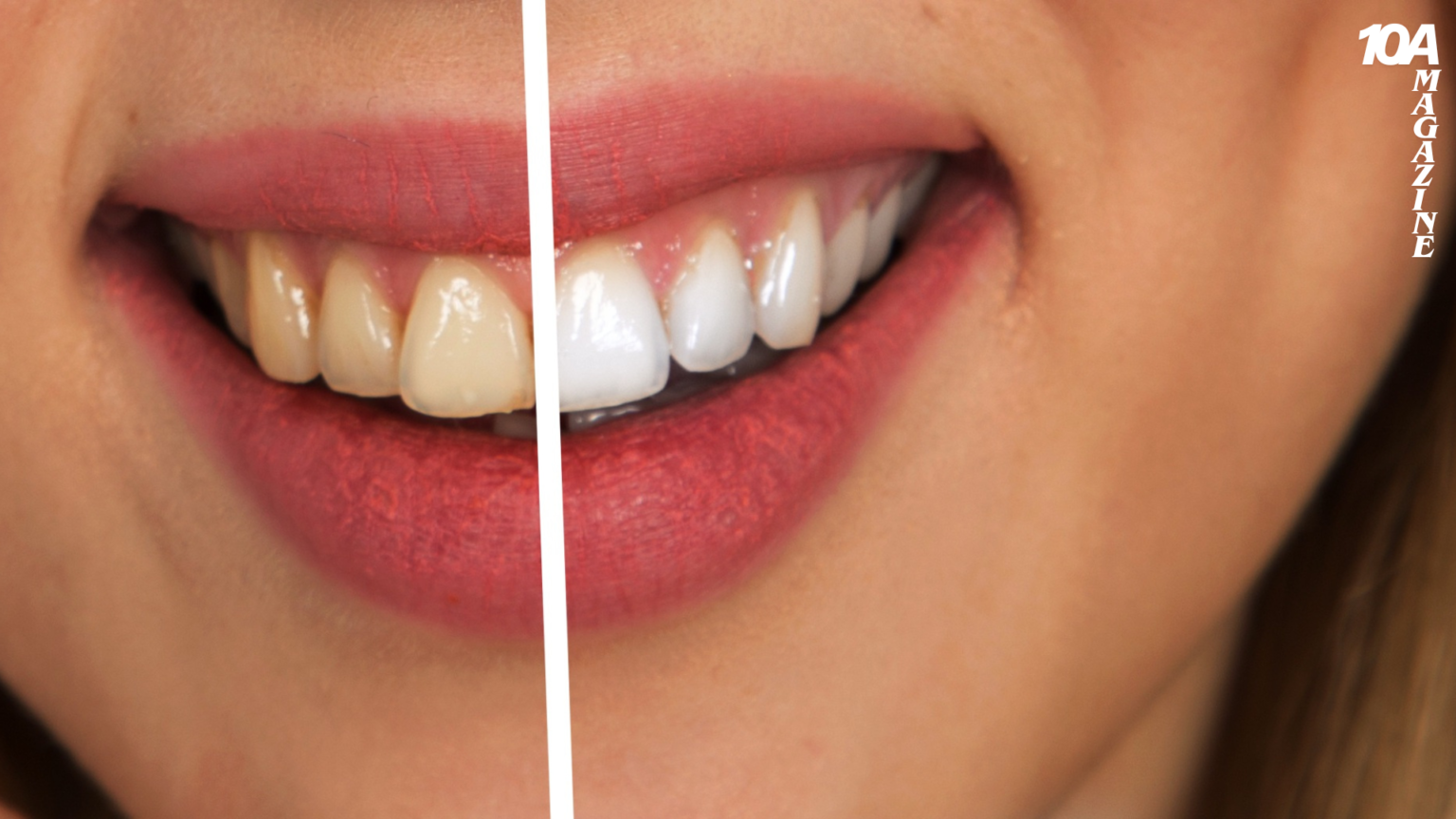
A bright smile makes a real difference. It’s no surprise that whiter teeth top the list of things people want to improve about their smile, according to the American Academy of Cosmetic Dentistry.
But there’s a lot of noise out there. Lemon juice, charcoal, baking soda pastes — the internet is full of “hacks” that promise fast results. Some of these methods do nothing. Others can actually damage your enamel.
This guide breaks down what really works, what to avoid, and how to choose a whitening method that fits your teeth, your budget, and your patience level.
Why Do Teeth Lose Their Whiteness?
Your teeth don’t just turn yellow overnight. It happens gradually, and a few everyday habits speed it up.
Coffee, tea, and red wine are common culprits. These drinks contain intense color pigments called chromogens that attach to the enamel, the white outer layer of your tooth. MouthHealthy
Smoking and tobacco use also stain teeth over time. Age plays a role too, since enamel naturally thins and reveals the yellower dentin layer underneath.
Not all discoloration is the same. Polishing methods, like whitening toothpaste, only work on surface-level stains, while peroxide-based treatments can address both surface stains and some deeper discoloration. This is why one whitening method doesn’t work for everyone. Encinodentalassociates
Talk to Your Dentist First
This step gets skipped constantly, and it shouldn’t. The ADA recommends speaking with a dentist before starting any home bleaching routine, especially if you have dark stains, multiple crowns, or fillings. Almeidabelldental
A quick checkup helps you understand why your teeth look the way they do. It also tells you whether whitening will even work for your specific situation. Some stains respond well to treatment. Others don’t, no matter which product you try.
Method 1: Whitening Toothpaste
Whitening toothpaste is the easiest entry point. It won’t dramatically change your tooth color, but it does a solid job on surface stains.
These toothpastes use mild abrasives and polishing agents to scrub away surface stains, and unlike bleaches, they don’t change the natural color of your teeth since they only remove stains sitting on the surface. MouthHealthy
Look for the ADA Seal of Acceptance on the package. This seal confirms the product has additional polishing agents that are both safe for your teeth and effective at removing stains. MouthHealthy
If you drink a lot of coffee or tea, this is a good daily habit to build. It won’t replace deeper whitening treatments, but it slows down new staining.
Method 2: At-Home Whitening Kits (Dentist-Provided or Over-the-Counter)
This is where most people start looking for real change. You have two paths here.
Dentist-provided trays. Your dentist can give you custom-fitted trays along with a gel containing 10% to 16% carbamide peroxide. Because the tray is molded to your teeth, the gel stays in contact evenly, which usually gives better and more predictable results than store-bought trays. American Dental Association
Over-the-counter products. Strips, gels, pens, and generic trays fall into this category. These options vary in safety and effectiveness, and results tend to take longer to appear because they use lower concentrations of bleaching agents, which also raises the risk of gum irritation. American Dental Association
If you go the OTC route, don’t just grab anything off the shelf. Look for at-home bleaching products that have earned the ADA Seal of Acceptance, since these have been tested for safety and effectiveness. MouthHealthy
Speed also differs quite a bit between options. One ADA-cited clinical study found that reaching the same whitening level as a single in-office treatment took about seven days with a dentist-prescribed at-home kit, but 16 days with an over-the-counter product. Checkbook
Method 3: In-Office Professional Whitening
If you want visible results fast, this is the option dentists recommend most.
In-office procedures use a peroxide gel at a stronger concentration than at-home versions, and the dentist may use a light to speed up the whitening reaction. This approach costs more, but it’s usually done in a single visit and produces the most noticeable results. ADA JadaADA Jada
Some dental offices also offer laser-assisted whitening. With this method, heat from the laser helps the whitening gel penetrate the teeth and speeds up the chemical reaction, and a single laser treatment can lighten teeth by five or six shades. Encinodentalassociates
This method suits people preparing for events like weddings or interviews, where waiting weeks isn’t an option.
What About Natural or DIY Remedies?
Search “natural teeth whitening” and you’ll find lemon juice, baking soda, activated charcoal, and oil pulling recommended everywhere. Here’s the honest answer: proceed carefully.
Many of these DIY methods rely on ingredients that are naturally acidic, like lemons or apple cider vinegar, or abrasive, like baking soda, and just because something is natural doesn’t mean it’s healthy for your teeth. Acidic ingredients can wear down enamel over time, and enamel doesn’t grow back once it’s gone. MouthHealthy
That doesn’t mean every home remedy is dangerous. It means you should be selective, avoid daily use of acidic or heavily abrasive mixtures, and check with your dentist before making any of these a regular habit.
Understanding Hydrogen Peroxide vs. Carbamide Peroxide
Most whitening products, whether professional or at-home, rely on one of these two ingredients.
Hydrogen peroxide works faster but carries a higher risk of tooth sensitivity, while carbamide peroxide works more slowly and comes with a lower risk of sensitivity. American Dental Association
If you have sensitive teeth already, this is worth mentioning to your dentist before choosing a product. A slower, gentler treatment might be more comfortable, even if it takes a bit longer to show results.
How to Keep Your Teeth White Longer
Whitening isn’t a one-time fix. Whatever method you choose, a few habits help maintain your results:
- Rinse your mouth with water after coffee, tea, or wine
- Brush and floss daily to prevent new stain buildup
- Avoid smoking or tobacco products
- Use an ADA-accepted whitening toothpaste for upkeep
- Schedule regular dental cleanings
None of these habits are complicated. They’re just consistent, and consistency is what actually keeps a smile bright.
Choosing the Right Method for You
There’s no single “best” answer here. It depends on your budget, your timeline, and how sensitive your teeth are.
If you want a low-effort daily habit, start with a whitening toothpaste that has the ADA seal. If you want noticeable change without spending too much, ask your dentist about custom trays. If you want dramatic results before a big event, in-office whitening is worth the investment.
Whatever you pick, the golden rule stays the same: check with a dentist first, and choose products that carry the ADA Seal of Acceptance.
Frequently Asked Questions
How long does it take to see whiter teeth?
It depends on the method. In-office treatments can show results in a single visit, dentist-prescribed at-home kits typically take about a week, and over-the-counter products can take around two weeks or longer.
Does whitening toothpaste actually work?
It works on surface stains from things like coffee, tea, or food, but it won’t change your natural tooth color the way peroxide-based treatments can.
Is it safe to whiten teeth at home?
Yes, as long as you use ADA-accepted products and check with your dentist first, especially if you have crowns, fillings, or existing tooth sensitivity.
Why do my teeth feel sensitive after whitening?
Peroxide-based treatments, especially those using hydrogen peroxide, can cause temporary sensitivity. Carbamide peroxide is a gentler alternative if this is a concern.
Can natural remedies like lemon or baking soda whiten teeth?
Some people use these, but acidic or abrasive ingredients can wear down enamel with regular use. It’s best to use them sparingly, if at all, and talk to your dentist first.
How often can I safely whiten my teeth?
This varies by product and your dentist’s recommendation. Overusing whitening treatments, especially over-the-counter ones, raises the risk of enamel damage and gum irritation.